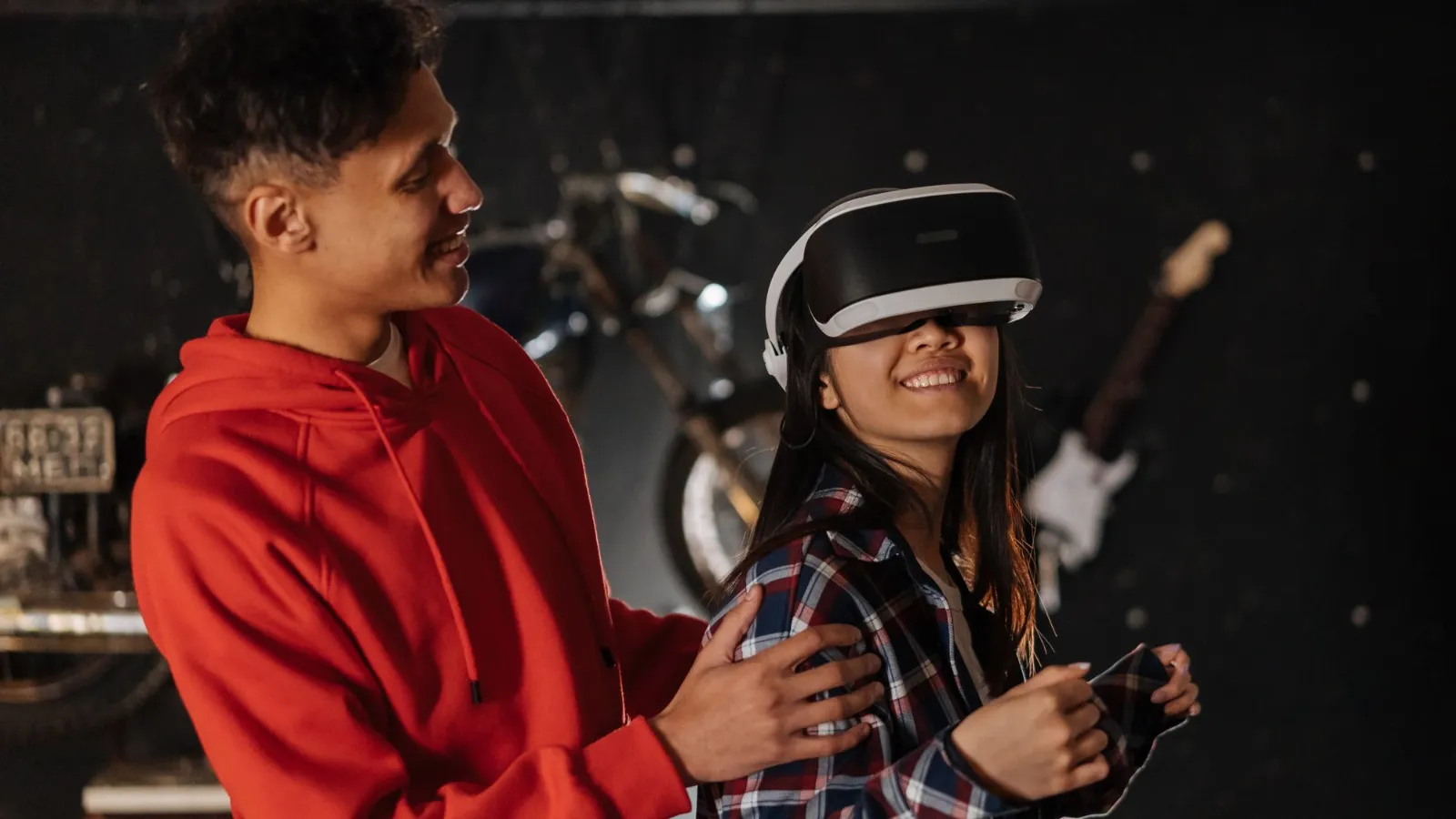
Until June 2025, anyone opening a video game parlour in Delhi needed a licence from the Delhi Police. That requirement is gone. Lieutenant Governor V K Saxena’s order of 19 June 2025 cancelled the police licensing regime for seven trades, video game parlours and amusement parks among them. Starting a gaming cafe in Delhi now comes down to a shorter list: free Shops and Establishments registration, the MCD trade licence fee (now billed at 15% of the property tax on your premises), GST once revenue crosses ₹20 lakh, fire clearance where the building type demands it, and FSSAI registration if you sell snacks. The harder question is money. On our planning numbers, a 14-station cafe breaks even only when its seats are busy about 37% of opening hours.
Key Takeaways
- Delhi Police no longer licenses video game parlours. The repeal took effect in June 2025, and the Union home ministry withdrew the police commissioner’s powers for these trades the same month.
- Shops and Establishments registration is online and free, and must be done within 90 days of opening.
- The MCD general trade licence fee is being collected with property tax at 15% of the tax on the premises, so a ₹20,000 property tax bill means a ₹3,000 licence fee.
- Gaming cafe services attract 18% GST, and registration is compulsory above ₹20 lakh of annual turnover.
- Our 10-PC, 4-console model needs about ₹18.7 lakh upfront, loses money at 35% occupancy and earns roughly ₹51,600 a month at 50%.
What Changed for Gaming Cafes in Delhi
For years the city treated a room full of gaming PCs as a “place of public amusement”. The most recent version of those rules, a regulation framed by Delhi Police under the Delhi Police Act, 1978 and dated 31 October 2023, named video game parlours explicitly. It required CCTV with 30 days of recording, banned smoking, capped opening hours at 12:30 am for permanent venues and let a parlour licence run for up to three years.
That regime ended in mid-2025. The Lieutenant Governor’s order of 19 June 2025 repealed licensing for swimming pools, eating houses, hotels, discotheques, video game parlours, amusement parks and auditoriums, PTI reported, with effect from the date the notification was issued. On 30 June the Ministry of Home Affairs withdrew the sanction that had let the police commissioner issue NOCs to these establishments. Local bodies such as the MCD, NDMC and the Delhi Cantonment Board are now the regulators that matter.
One caution. Some online guides still list a Delhi Police video game parlour licence as step one. They predate the repeal.
Licences and Registrations You Still Need
| Approval | Who issues it | Cost | When it applies |
|---|---|---|---|
| Shops and Establishments registration | Delhi Labour Department | Free | Every shop or establishment, within 90 days of starting |
| General trade licence | MCD (or NDMC/Cantonment Board in their areas) | 15% of the premises’ property tax (MCD) | Trades covered by the Delhi Municipal Corporation Act, 1957 |
| GST registration | GSTN | No government fee | Turnover above ₹20 lakh a year for services |
| Fire safety certificate | Delhi Fire Service | Varies | Depends on occupancy type, height and floor area |
| FSSAI basic registration | FSSAI | ₹100 a year | If you sell food and drink, food turnover up to ₹12 lakh |
Shops and Establishments Registration
Registration under the Delhi Shops and Establishments Act, 1954 is done on the Labour Department’s portal, and the department lists it as free of charge, processed in real time and without a physical inspection. Amendment rules notified on 15 November 2021 set the deadline at 90 days from the day the establishment starts operating, with the certificate generated online in Form C. Any later change, such as a new address or more staff, has to be reported within 30 days.
MCD Trade Licence, Now Paid With Property Tax
The MCD has folded its general trade and storage licence into the property tax system. The fee is 15% of the property tax on the premises, paid through the property tax portal against the building’s UPIC number, and the payment receipt acts as a deemed licence for that financial year. The roll-out was bumpy. Traders complained at the end of April 2026 that the new system was not live by the 30 April renewal deadline, and an MCD official said the integration was still in process.
If you rent, settle in the lease who pays it. Officials themselves told PTI it was unclear whether the owner or the business should bear the fee, because property tax can be paid by either.
GST: 18%, Registration Above ₹20 Lakh
A service business in Delhi must register for GST once annual turnover crosses ₹20 lakh; the lower ₹10 lakh limit applies only to Manipur, Mizoram, Nagaland and Tripura, per the GST Council’s registration guide. Gaming cafes and lounges stayed at 18% GST after the September 2025 rate overhaul, and consoles and gaming accessories are also at 18%. If you quote hourly prices inclusive of tax, as most cafes do, roughly 15.25% of every rupee collected belongs to the government.
Fire Safety and Food
Delhi Fire Service decides by occupancy type, height and floor area. Its FAQ says every assembly building needs fire clearance, mercantile buildings need it above 9 metres (ground plus two floors), business buildings above 15 metres, and any basement over 200 square metres must have sprinklers. Ask DFS or your architect how your unit is classified before signing a lease, especially for a basement space, which is where many gaming cafes end up.
Selling cold drinks and Maggi turns you into a food business. FSSAI basic registration covers food businesses with turnover up to ₹12 lakh and costs ₹100 a year; above that you need a state licence.
Game Licences: The Cost Many Owners Forget
A personal Steam account is for personal play. For commercial use, Valve runs the Steam PC Café programme, which gives venues commercially licensed games, floating licences shared across the local network and a local cache so each game downloads once. Licensees can buy game licences in bulk using regional payment methods, up to US$2,000 a day, and every site must sit under the same PC Café agreement and business entity. Free-to-play titles reduce this cost; paid AAA games multiply it. Budget for it from the start rather than discovering it during a publisher’s audit.
You will also need cafe management software to time sessions, lock PCs and handle prepaid wallets. Prices range widely. Gizmo, for instance, charges €0.99 per seat a month on a one-month plan, about ₹107 at the RBI reference rate of ₹107.72 per euro for 30 June 2026.
How Much Does It Cost to Open a Gaming Cafe in Delhi?
Rents and hardware prices vary too much by market and by month for any single number to be honest, so we built a model with our own planning assumptions and ran the arithmetic in Python. Replace each line with your quotes. The cafe has 10 gaming PCs and 4 console stations, opens 12 hours a day, 30 days a month, and charges ₹80 an hour for a PC and ₹150 an hour for a console station, both inclusive of GST.
Upfront Investment (Our Assumptions)
| Item | Assumption | Amount |
|---|---|---|
| Gaming PCs with monitors and peripherals | 10 × ₹95,000 | ₹9,50,000 |
| Console stations (console, TV, controllers, seating) | 4 × ₹1,00,000 | ₹4,00,000 |
| Fit-out, wiring, AC, furniture, signage | Lump sum | ₹2,50,000 |
| Rent deposit | 3 months × ₹90,000 | ₹2,70,000 |
| Total | ₹18,70,000 |
If you finance the hardware, add the loan instalment to the monthly costs below; our guide to calculating EMI shows the formula.
Monthly Numbers at Two Occupancy Levels
Occupancy here means the share of available station-hours that are paid for. Electricity assumes 0.45 kW per PC and 0.35 kW per console station while in use, plus 1.5 kW for AC and lights through opening hours, at an assumed ₹9 per unit. Software is Gizmo’s one-month rate for 14 seats.
| Line | 35% occupancy | 50% occupancy |
|---|---|---|
| Paid PC hours | 1,260 | 1,800 |
| Paid console hours | 504 | 720 |
| Gross collections (incl. GST) | ₹1,76,400 | ₹2,52,000 |
| GST at 18% (inside the price) | ₹26,908 | ₹38,441 |
| Net revenue | ₹1,49,492 | ₹2,13,559 |
| Rent | ₹90,000 | ₹90,000 |
| Two staff | ₹40,000 | ₹40,000 |
| Electricity | ₹11,551 (1,283 units) | ₹14,418 (1,602 units) |
| Internet | ₹6,000 | ₹6,000 |
| Software (14 seats) | ₹1,493 | ₹1,493 |
| Repairs and other | ₹10,000 | ₹10,000 |
| Operating profit | −₹9,552 | ₹51,648 |
| Payback on ₹18.7 lakh | Never | About 36 months |
Fixed costs in this model come to about ₹1.52 lakh a month, and each percentage point of occupancy adds roughly ₹4,000 of net revenue after electricity. The cafe breaks even at about 37.3% occupancy. That figure is sensitive. Charge ₹70 instead of ₹80 for PC time and it climbs; find space at ₹60,000 instead of ₹90,000 and it falls sharply. Our break-even calculator walks through the same fixed-versus-variable logic.
The model leaves out snack sales and a reserve for replacing ageing graphics cards. Add both.
Where the Money Comes From
- Hourly play: the base revenue, priced by station type, with cheaper off-peak slots to lift occupancy.
- Prepaid packs and memberships: cash upfront and repeat visits. Most cafe software handles wallets and loyalty points.
- Tournaments: entry fees for local esports events fill seats at night and bring in new players.
- Food and drink: small tickets, high margins, and a reason for groups to stay longer.
- Private bookings: birthday parties and office team events on fixed packages.
Risks Worth Pricing In
- Location: a cafe near colleges and coaching hubs fills on weekdays; a mall unit pays far higher rent for walk-in traffic.
- Home gaming: the cafe has to offer what a phone or home console cannot: better hardware, fast internet and company.
- Power cuts and heat: an inverter or generator, and air conditioning sized for a room full of graphics cards, belong in the budget.
- Regulatory drift: Delhi’s licensing has changed twice in three years. Check the MCD and Labour Department portals each April when renewals fall due.
More on the money side of games, streaming and creators sits in our Entertainment section.
Related reading: our guide to gaming cafe software in India and what it costs per PC.
FAQ
Do I Need a Police Licence for a Gaming Cafe in Delhi?
No. The Delhi Police licensing rules for video game parlours were repealed by the Lieutenant Governor’s order of 19 June 2025. Municipal and labour registrations still apply.
How Much Does It Cost to Start a Gaming Cafe in Delhi?
On our assumptions, a 10-PC, 4-console cafe needs about ₹18.7 lakh including a three-month rent deposit. Your figure depends mostly on hardware choices and rent.
What Is the GST Rate on Gaming Cafe Services?
18%, unchanged by the September 2025 GST overhaul. Registration is compulsory once annual turnover crosses ₹20 lakh in Delhi.
Is a Gaming Cafe Profitable in India?
It can be, but occupancy decides it. Our model loses money at 35% occupancy, breaks even near 37% and pays back its investment in about three years at 50%.
Can I Use My Personal Steam Games in a Cafe?
Commercial venues should license games through Valve’s Steam PC Café programme, which offers commercially licensed titles and shared floating licences.
Sources
- ETV Bharat: Seven businesses in Delhi no longer need police licence (June 2025)
- The Week (PTI): Delhi govt withdraws regulations on swimming pools, hotels and other activities
- The Tribune: MHA withdraws sanction granted to Delhi Police chief (July 2025)
- Regulation for Licensing Places of Public Amusement (other than cinema), 2023 (text via Legitquest)
- Delhi Labour Department: Shops and Establishments registration
- SCC Online: Delhi Shops and Establishments (Amendment) Rules, 2021
- The Tribune: MCD integrates trade licence fee with property tax (May 2026)
- Outlook Business (PTI): Traders flag confusion as MCD delays GTL-property tax integration
- GST Council: Registration under GST law
- Outlook Respawn: How Indian gaming costs shift with the 2025 GST overhaul
- Delhi Fire Service: FAQs
- NIFTEM (PMFME): FSSAI registration and licensing
- Steamworks: Steam PC Café
- Steamworks: PC Café licensee documentation
- Gizmo: Pricing
- RBI Handbook of Statistics, Table 223: Daily exchange rate of the Indian rupee