
Protect Your Pay and Health Cover in the First Week
After a layoff, do four things before you think about your next job. First, get the severance terms in writing and do not sign on day one. Next, find out when your health cover ends. Then file for unemployment in the state where you worked. Finally, leave your 401(k) where it is until you can move it by direct rollover.
We researched the federal rules behind each step, from the WARN Act to COBRA and the IRS rollover rules. Then we compiled them into a severance calculator table and a 60-day timeline. We also used one real October layoff as a worked example, because its package was filed in public with the SEC.

Learn From HubSpot’s October Layoff Package
HubSpot filed a Form 8-K with the SEC on October 6, 2026. In it, the company said its board approved a restructuring plan on October 1. The plan cuts about 7% of its workforce. Also, the staff memo filed with it put the number at “nearly 660” people.
The memo spelled out the exit package, which makes it a useful benchmark. The memo listed 20 weeks of base pay plus one week per year of service, up to 30 weeks in total. US staff also got five months of COBRA cover paid as a lump sum. On top of that, everyone leaving received six months of outplacement help. They could even keep their laptops, after a remote wipe, and their home office gear.
HubSpot expects charges of about $65 million to $75 million for the plan. Most of that covers severance, notice periods and benefits. Meanwhile, HubSpot was not alone that month. Fast Company tracked job cuts at Netflix, Flock Safety and Amazon in the same weeks of October.
Still, packages like this are not the norm by law. In fact, the Department of Labor states that there is no severance requirement in the Fair Labor Standards Act. Instead, severance is a matter of agreement between you and your employer. So what you get depends on company policy, your contract and how well you negotiate.
Check Whether You Were Owed 60 Days’ Notice
The federal WARN Act covers employers with 100 or more employees. These employers must give at least 60 calendar days’ written notice before a plant closing or a mass layoff. That duty applies when 50 or more workers lose their jobs at one site. However, there are exceptions, such as unforeseeable business events and natural disasters.
Some states go further. For example, California’s version reaches employers with 75 or more workers. It also requires 60 days’ notice for layoffs of 50 or more people within 30 days. Besides, the state’s Employment Development Department posts the WARN notices it receives in reports you can download.
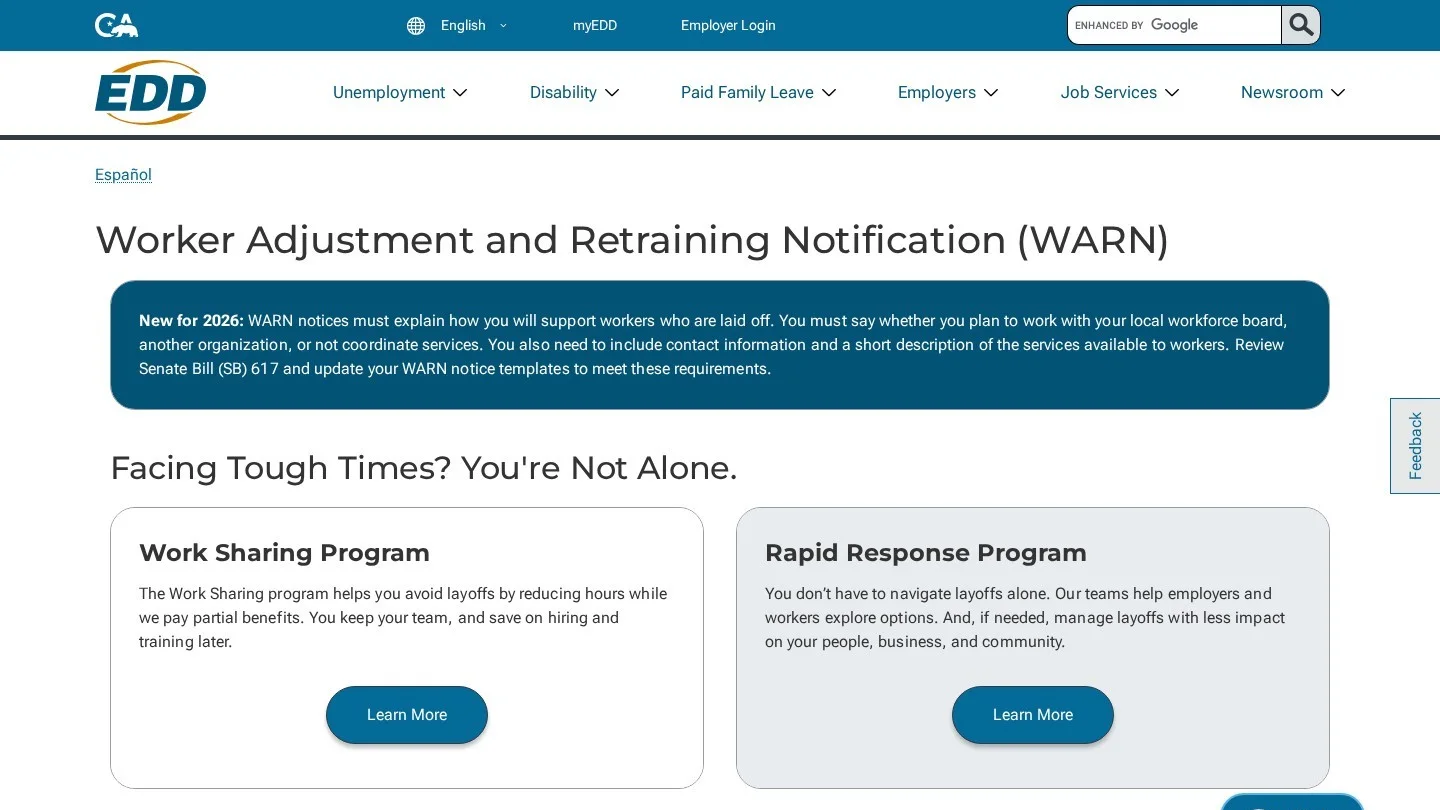
Look up your employer in your state’s WARN listings. If the notice came late or not at all, you may have a claim. Note that the Labor Department runs WARN programs but does not chase damages for workers. So you would need to pursue the claim yourself, often with a lawyer.
Read the Severance Agreement Before You Sign It
Most severance offers come with a release. In exchange for the money, you agree not to sue the company. Because of that trade, read every clause before you sign. Look for the payment schedule, the end date of benefits, any non-compete or non-disparagement terms and what happens to unvested equity.
Use the 21-Day and 45-Day Review Windows
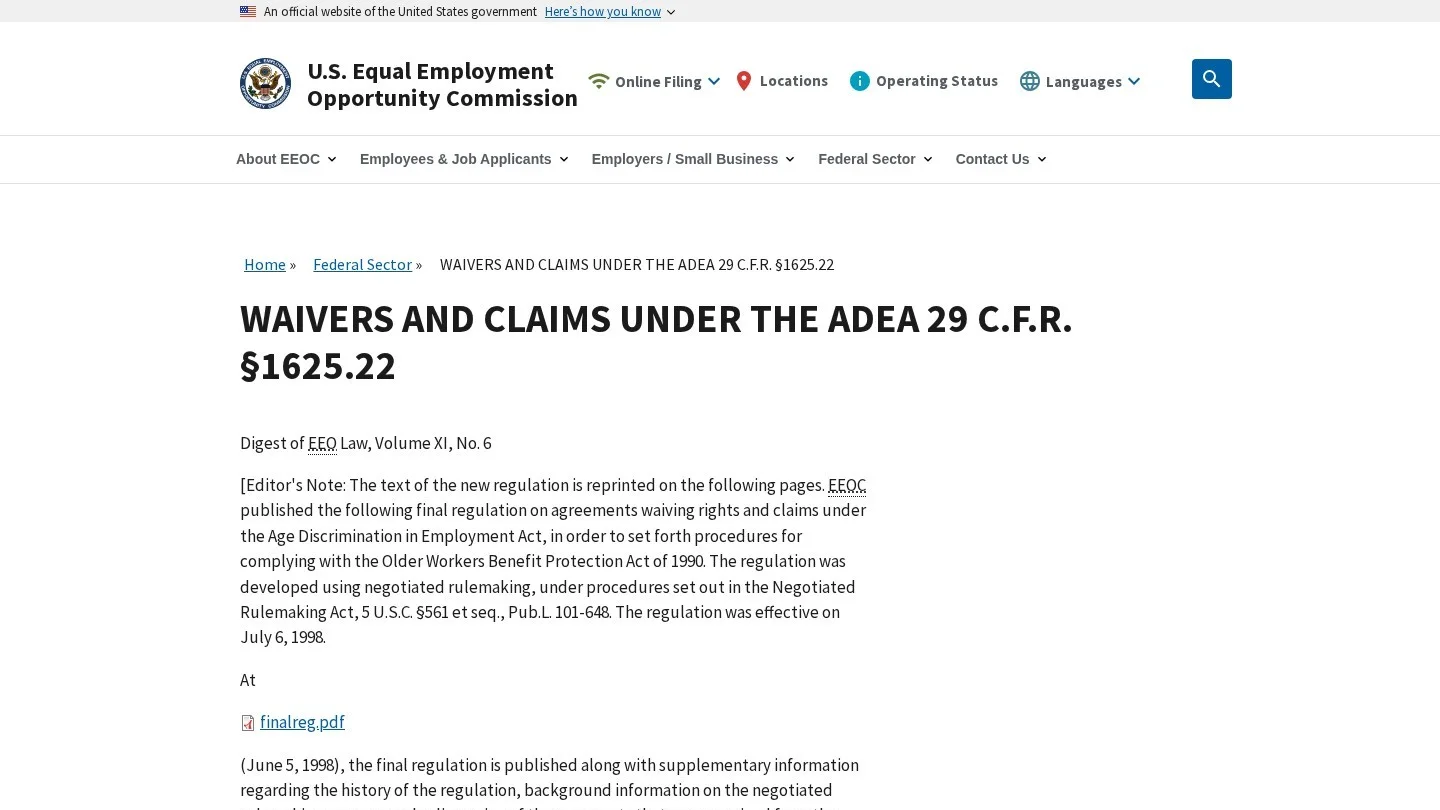
Also, workers aged 40 and older get extra time by law. The Age Discrimination in Employment Act protects people who are 40 or older. Under its rules, a valid waiver must give you at least 21 days to consider the deal. In a group layoff, that rises to at least 45 days.
After you sign, you also get at least 7 days to revoke. Your employer cannot shorten that period. The agreement must advise you in writing to talk to a lawyer. In a group program, it must also list the job titles and ages of people who were and were not chosen. Then you can compare those ages to spot a pattern.
Ask for More Before the Deadline
The first offer is often not the last. So ask, in writing and politely, for one or two specific changes. For instance, you could request more weeks of pay, longer health cover, a later end date for your stock vesting or a neutral reference. Our salary negotiation email templates show the tone that works for a written request like this.
Calculate What Your Severance Is Worth
Turn the offer into dollars before you weigh it. We used the HubSpot formula as a model: 20 weeks plus one week per year of service, capped at 30 weeks. Then we priced it for a base salary of $90,000. Our method divides the salary by 52 weeks, which gives $1,730.77 a week, and multiplies by the weeks owed.
| Years of service | Weeks of pay | Value at $90,000 base salary |
|---|---|---|
| 1 | 21 | $36,346 |
| 2 | 22 | $38,077 |
| 5 | 25 | $43,269 |
| 10 | 30 | $51,923 |
| 15 | 30 (cap) | $51,923 |
You can run the same math for your own offer. First, divide your base salary by 52. Next, multiply by the weeks in your package. Our percentage calculator also helps if your offer is a share of salary. Keep in mind that the cap matters. In this model, a worker with 15 years gets the same as one with 10.
Keep Health Insurance Without Overpaying
COBRA lets you stay on your old employer’s health plan. Employers with 20 or more employees generally must offer it. You usually have 60 days to elect it, counted from losing cover or from getting the notice, whichever is later. After a job loss, the cover generally lasts up to 18 months.
However, COBRA can be costly. The plan may charge you up to 102% of the full monthly premium, including the share your employer used to pay. So a package that pays for COBRA, like HubSpot’s five months, is worth real money.
On the other hand, the Health Insurance Marketplace may cost less, especially if your income has dropped. Losing job-based cover opens a Special Enrollment Period if you apply within 60 days. But be careful. If you pick COBRA and then drop it later, you generally cannot switch until the next Open Enrollment. Our guide to ACA open enrollment premiums for 2027 shows what Marketplace plans cost.
File for Unemployment Where You Worked
File your claim with the unemployment program of the state where you worked. However, that may not be the state where you live. Each state runs its own program and sets its own eligibility rules and benefit amounts.
So file as soon as your job ends. Because each state sets its own eligibility rules, ask your program how it treats severance pay. The answer can change when your first payment arrives.
Move Your 401(k) Without a Tax Bill
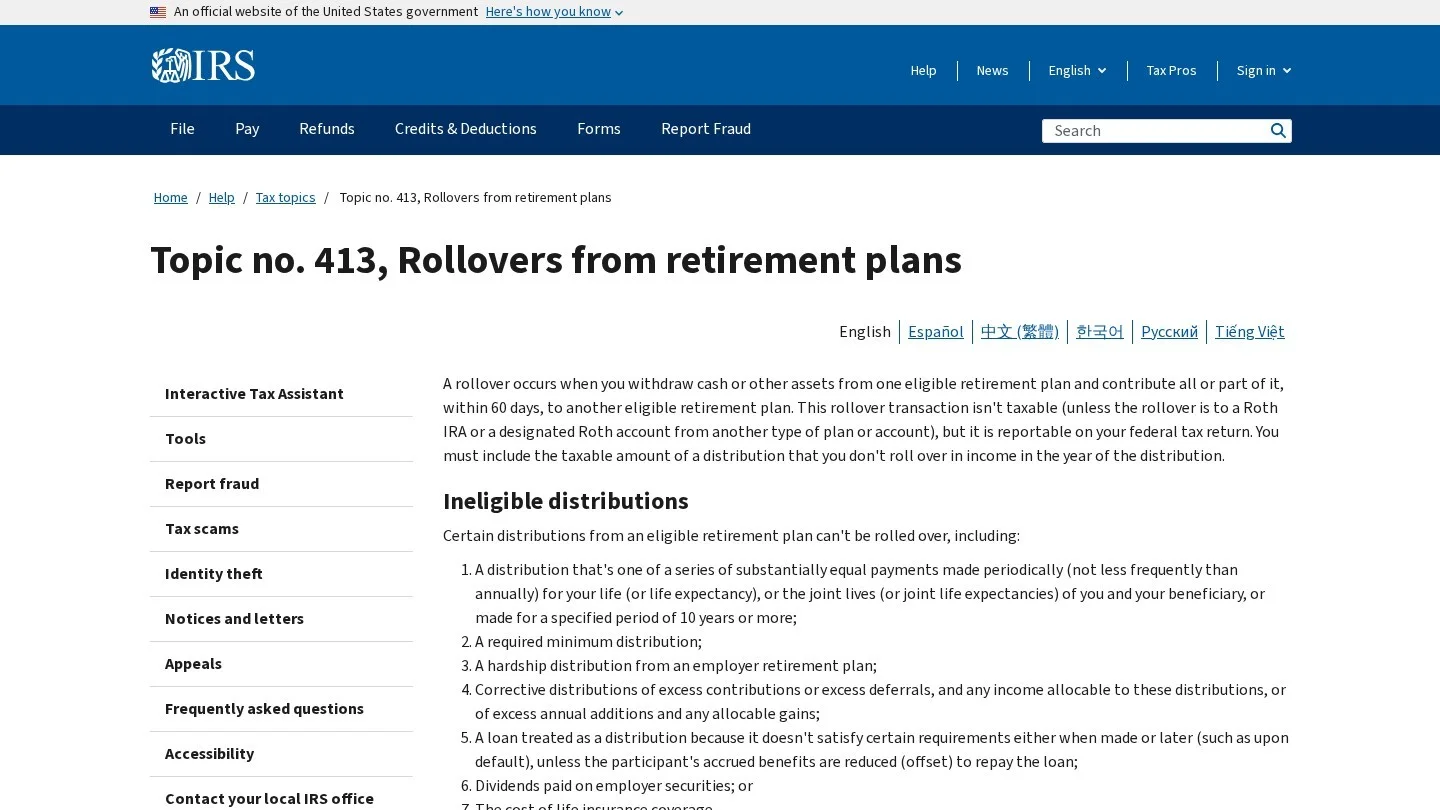
Leave the account alone until you have a plan. If you cash it out, the plan generally withholds 20% for income tax. On top of that, if you are under 59½, the taxable part you do not roll over may face a 10% additional tax.
Instead, ask for a direct rollover to an IRA or your next employer’s plan. The IRS says mandatory withholding does not apply to a direct rollover. If a check comes to you, you have 60 days to roll it over. In that case, you must also add back the 20% withheld from other money to avoid tax on it. For long-term planning, our retirement savings calculator shows how a cash-out today changes your balance later.
Follow Our 60-Day Layoff Timeline
We built this timeline from the federal deadlines above. Your own dates may differ, so check your agreement and your state program too.
| When | What to do | Rule behind it |
|---|---|---|
| Day 1 | Get the offer, benefit end dates and final pay details in writing | Severance is set by agreement |
| As soon as the job ends | File for unemployment in the state where you worked | State program rules |
| Week 1 | Check your state’s WARN listings for your employer | 60-day notice for covered layoffs |
| Days 1 to 21 (or 45) | Review the release; ask for changes if you are 40 or older or not | ADEA waiver review periods |
| 7 days after signing | Last chance to revoke, for workers 40 and older | ADEA revocation right |
| By day 60 | Choose COBRA or a Marketplace plan | COBRA election and Special Enrollment windows |
| Within 60 days of any check | Roll over a 401(k) payout paid to you | IRS 60-day rollover rule |
Rebuild Your Job Search While the Package Pays Out
Use the severance weeks to plan, not to rush. First, update your resume with numbers from your last role. Then tell your network that you are looking, since a public layoff explains your search without awkward questions. Also, take any outplacement help on offer. HubSpot, for example, gave six months of it.
Next, look at skills that open doors fast. Our list of high-paying certifications without a degree covers short courses tied to job demand. If you want a full change of field, read our guide to apprenticeships for adults over 30. Remote work is another route, and our list of remote jobs without experience shows where to begin.
Answer the Questions Laid-Off Workers Ask Most
Is my employer required to pay severance?
No, not under federal wage law. The Department of Labor says the Fair Labor Standards Act has no severance requirement. Still, your contract, company policy or a union agreement may promise it.
Can I collect unemployment and severance at the same time?
It depends on your state. Each state sets its own eligibility rules, so the answer varies. Ask your state program how it treats severance before you count on both.
How long do I have to sign a severance agreement?
If you are 40 or older, you get at least 21 days, or 45 days in a group layoff. You then have 7 days to revoke after signing. Younger workers get whatever deadline the offer states, so ask for more time if you need it.
Should I take COBRA or a Marketplace plan?
Compare the full monthly cost of each. COBRA keeps your doctors and plan but can cost up to 102% of the premium. A Marketplace plan may cost less if your income has fallen. Decide within 60 days, because dropping COBRA later usually locks you out until Open Enrollment.