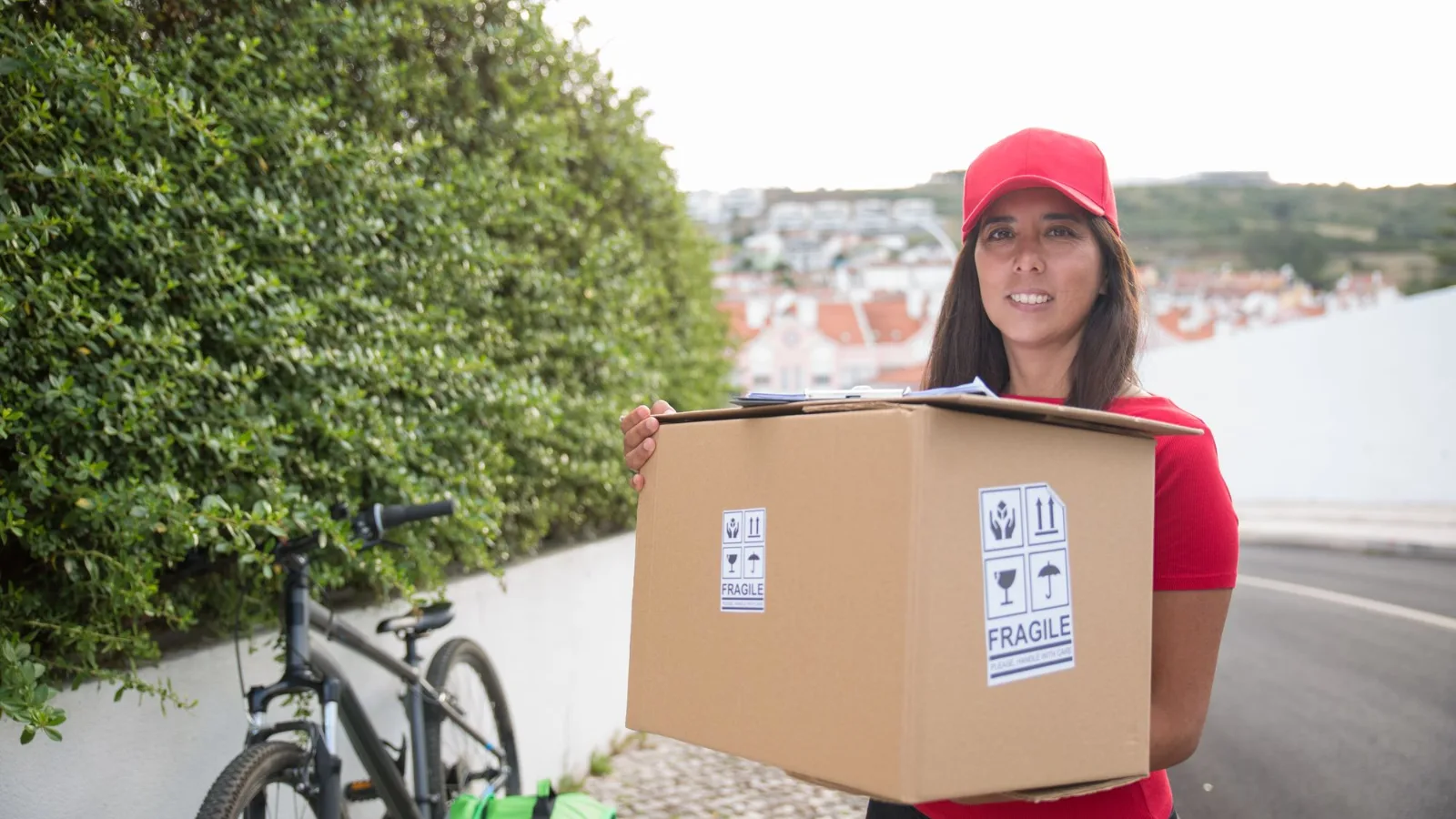
To start a medical courier business, form a company and insure a vehicle for paid deliveries. Next, train every driver in bloodborne pathogen safety and specimen packaging. Then pitch hospital labs, clinics and pharmacies that need regular pickup routes.
We researched the federal rules on OSHA, HHS and PHMSA pages. We also priced a driver’s starter kit from real supplier pages and read a live hospital courier request line by line. You know what the real question is? Whether a lab will trust you with a cooler of blood tubes at 4 p.m. on a Friday. So every step we cover aims at earning that trust.
Learn How to Start a Medical Courier Business in Eight Steps
We would follow this order. Each step gets its own section further down the page.
- Decide what you will carry and for which clients.
- Train each driver under OSHA’s bloodborne pathogens standard before the first route.
- Work out whether HIPAA treats you as a conduit or as a business associate.
- Learn the Category B packaging rules for specimens.
- Buy shippers, spill kits and training for each driver.
- Register the business and insure the vehicle and cargo.
- Set up phones, tracking and proof of delivery.
- Answer public courier requests and pitch local labs.
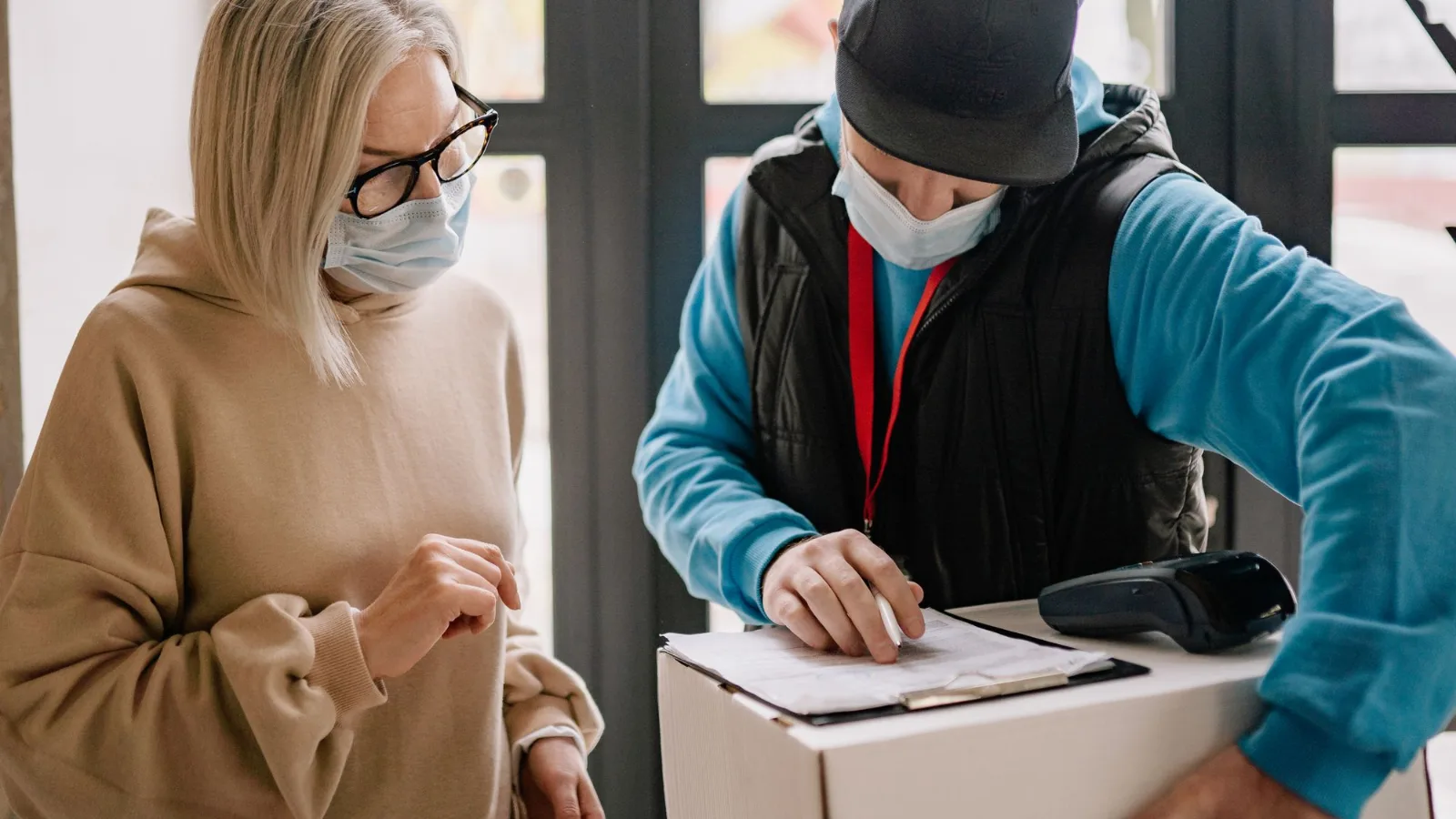
Decide What Your Courier Service Will Carry
Medical courier work is not just blood tubes. For example, a UC Davis Health courier request lists lab specimens, 24-hour urine containers, X-rays, medical records and supplies. It also covers refrigerated, frozen, warm and room-temperature specimens. Dry ice is on the list too, and the courier must supply it.
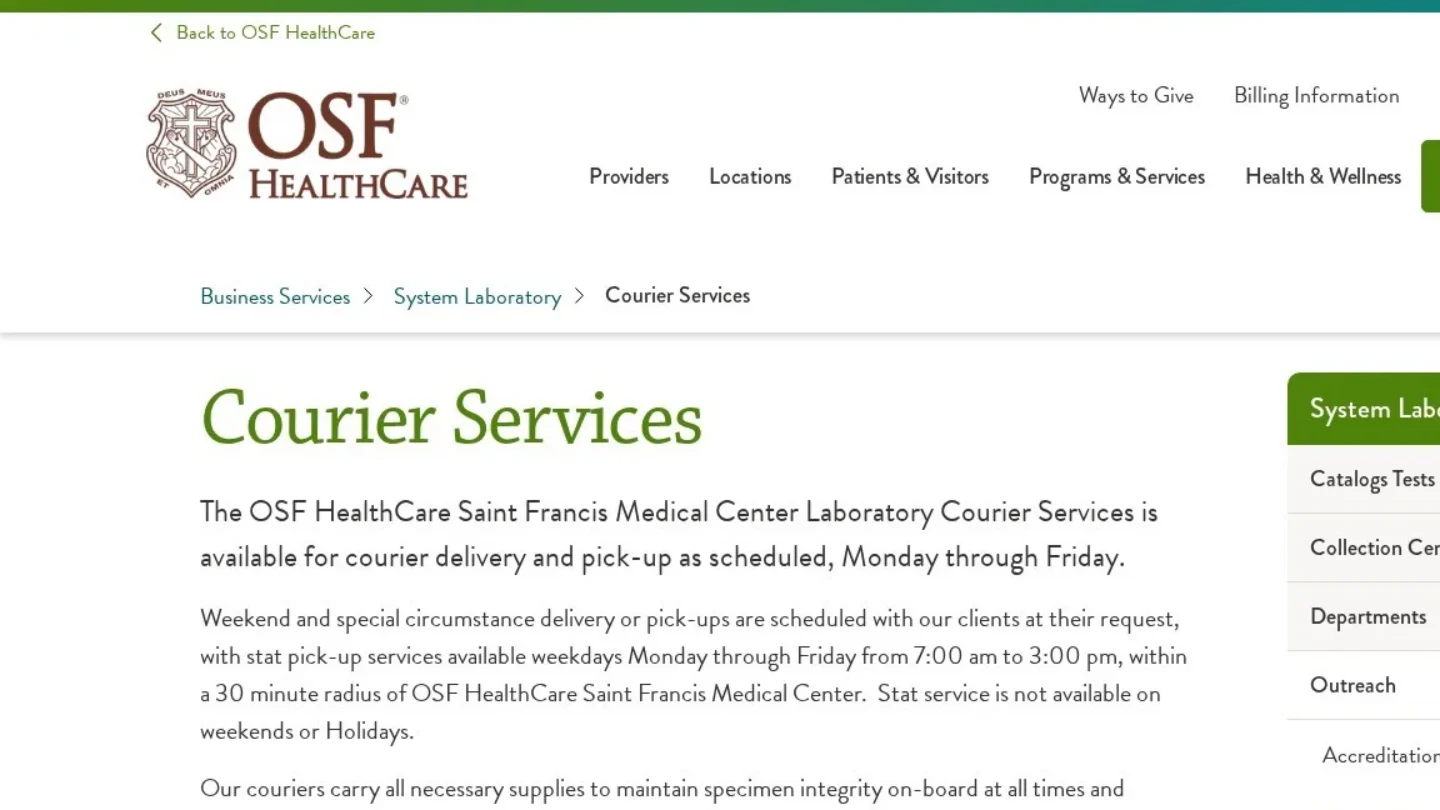
So pick a lane early. A lab route means timed daily pickups and strict temperature handling. Hospital work adds STAT runs on short notice. For instance, the OSF HealthCare Saint Francis lab offers weekday STAT pickups between 7 a.m. and 3 p.m., within a 30-minute radius of its medical center.
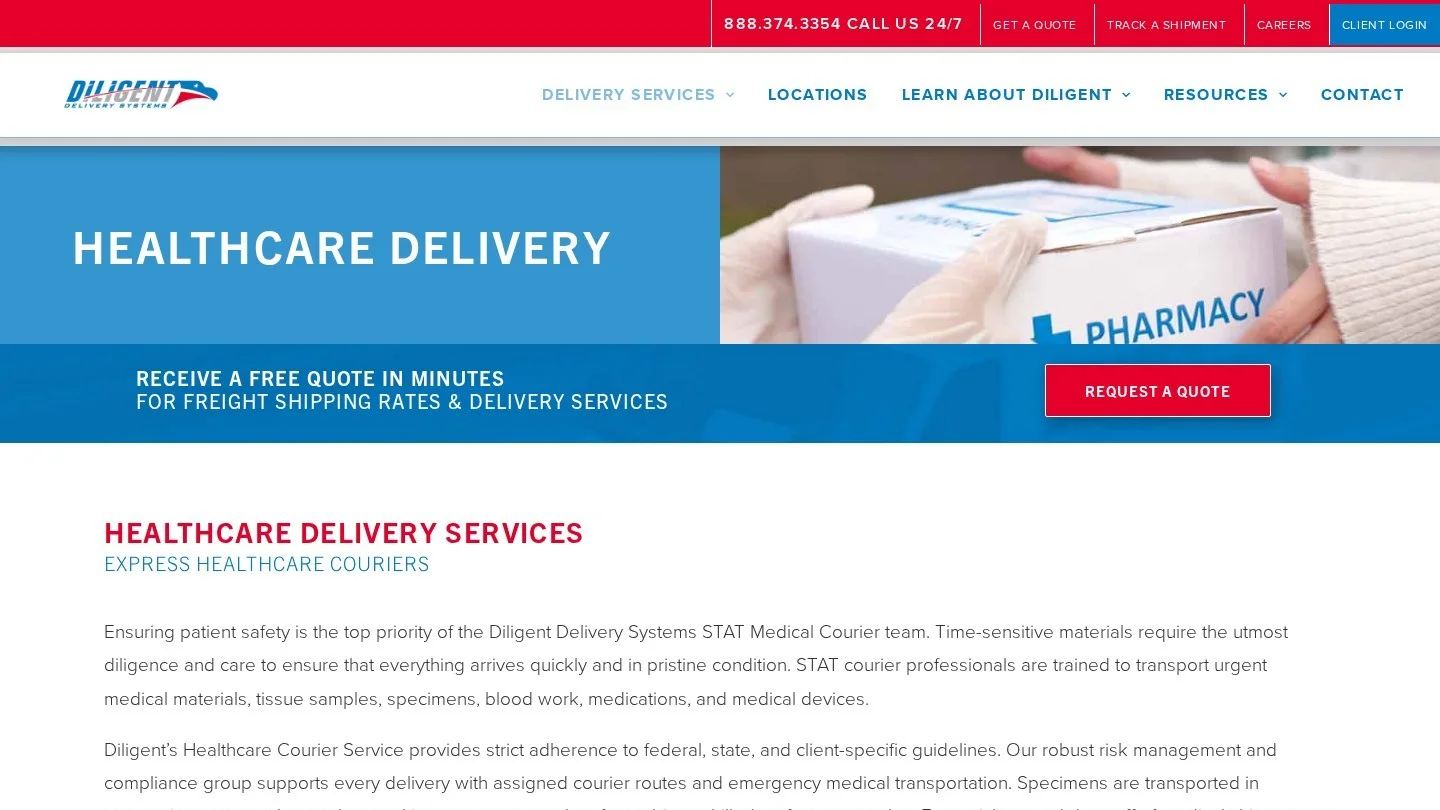
Pharmacy work looks different again. Diligent Delivery Systems, a national courier, lists emergency medicine runs and temperature-controlled transport for its pharmacy clients. It also serves medical device makers with restocking and surgical kit drops. If logistics appeals more than driving, our list of medical supply business ideas covers other ways into the field.
Train Every Driver Under OSHA’s Bloodborne Pathogens Standard
Train drivers before they touch a specimen. OSHA’s bloodborne pathogens standard protects workers who can reasonably be expected to touch blood or other infectious material at work. So if your drivers carry blood specimens, plan as if the standard applies to them.
Next, cover the duties OSHA puts on the employer. You need a written exposure control plan, and you update it every year. Training happens on first assignment and at least once a year after that. It also repeats when new tasks change what a worker could touch.
Also offer the hepatitis B vaccine. OSHA wants it available after training and within 10 days of a worker’s first assignment to exposed work. In fact, gloves, gowns, eye protection and masks come at no cost to the worker. Follow-up after an exposure incident is free to the worker as well.
For the training itself, the American Red Cross sells Bloodborne Pathogens Training Online for $35. The certificate is valid for one year. However, the Red Cross says the course fulfills one of the OSHA requirements, so it does not cover everything. Pair it with a session on your own exposure control plan. Also, OSHA expects workers to be able to ask the trainer questions.
Find Out Whether HIPAA Treats You as a Conduit
Read the HHS page on business associates before you sign a client deal. A business associate does work for a covered entity that involves protected health data. For instance, HHS names cloud storage firms, IT vendors and medical transcriptionists as business associates.
However, HHS also describes a narrow conduit exception. It covers the US Postal Service, certain private couriers and their electronic equivalents. The exception only covers moving data, with short-term storage along the way. An entity that accesses health data on a regular or frequent basis is not a conduit.
So the answer turns on what you do. A driver who moves sealed bags from door to door looks like a conduit. Still, a courier that scans requisitions into a portal or stores records sees much more. In that case, expect the client to ask for a business associate agreement.
Read that agreement closely. HHS lists the main terms: limits on how you use the data, Security Rule compliance and reporting breaches to the client. Besides, you need your own agreement with any subcontractor who touches the data, such as a backup driver firm.
Package Specimens as Category B Shipments
Learn the two infectious substance categories first. Category A can cause permanent disability or life-threatening disease in otherwise healthy people. Category B covers infectious substances that are not in a form that can usually do that harm. It ships as UN3373, under the name “Biological substances, Category B.”
Category B packaging has three layers. There is a primary receptacle, a leakproof or siftproof secondary packaging and a rigid outer package. Liquids also need absorbent material. Then the outer box carries the UN3373 mark and the words “Biological substances, Category B.”
PHMSA’s guidance also covers road couriers. Its flowchart points private and contract carriers who move patient samples in vehicles used only for that work to 49 CFR 173.134(b)(10). Read that paragraph in full, and keep a copy in each driver’s training file.
Other packages carry an “Exempt human specimen” mark. In the US, that mark tells handlers no infectious substance is inside. Besides, anyone who prepares hazmat packages counts as a hazmat employee and needs training under 49 CFR 172.704.
Cost Out a Driver’s Starter Kit From Real Supplier Pages
We priced the safety and packaging gear for one driver from supplier pages we opened. For each item, we used the published price at the quantity a new courier would buy. Then we stocked 20 shippers for the first month.
| Item | Seller | Unit price | Quantity | Cost |
|---|---|---|---|---|
| Bloodborne Pathogens Training Online | American Red Cross | $35 | 1 | $35 |
| Bloodborne Pathogen Kit, 19 pieces (S-16500) | Uline | $37 for one kit | 1 | $37 |
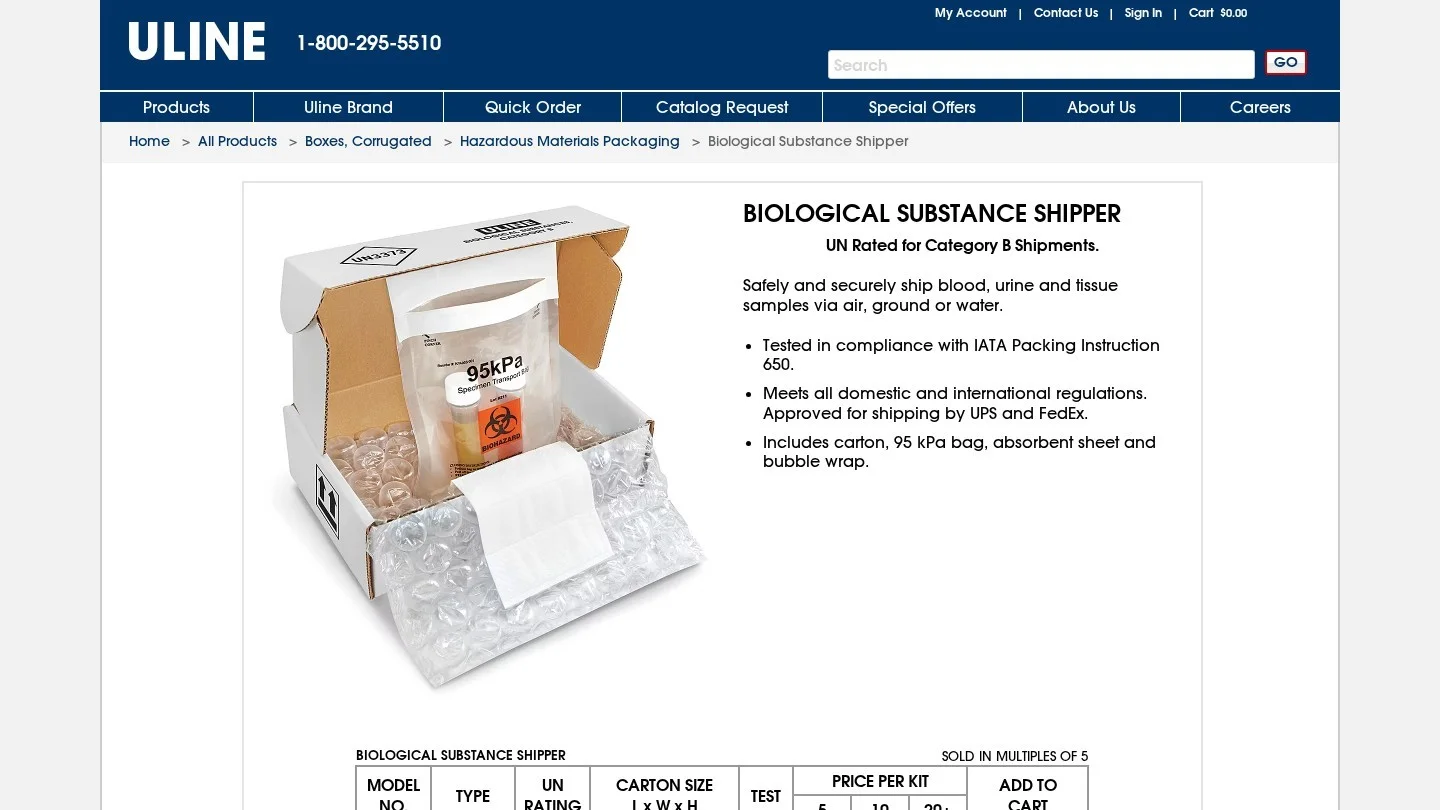
| Biological Substance Shipper, UN3373 (S-18284) | Uline | $6.50 each at 20 or more | 20 | $130 |
| Starter total for one driver | $202 |
Our method was unit price times quantity, before tax and shipping. So the safety and packaging floor comes to $202 for each driver. After that, training renews at $35 a year, because the certificate lasts one year. Shippers get used up, so that line grows as you add runs.
Each Uline shipper holds a carton, a 95 kPa bag, an absorbent sheet and bubble wrap. In fact, Uline says the kit passed IATA Packing Instruction 650 testing and is approved for UPS and FedEx. The spill kit comes with a face shield mask, nitrile gloves, a gown, absorbent powder, a scoop and a biohazard bag.
The bigger costs come by quote. For example, commercial auto insurance depends on your vehicle, your record and your state. So get three quotes for insurance, coolers and route software. Then load every number into our expense spreadsheet template and run it through the break-even calculator before you quote a lab.
Set Up the Company, Vehicle and Insurance
Register the business with your state before you sign a client. Pick the entity type with an accountant, because tax rules differ by state. Then open a business bank account to keep client cash apart.
Next, fit out the vehicle for the contract you want. The UC Davis Health request asks for a spill kit in every vehicle that carries specimens. It also wants specimen containers clearly marked on the outside. Drivers must carry approved transport containers into each pickup site.
Then insure the business. Ask your agent about commercial auto, general liability and cargo cover. Also ask each client which policies and limits it wants on file. Tell your insurer you will use the car for paid deliveries before your first route.
Screen your drivers too, since buyers will ask. Diligent lists drug testing and background checks as basic requirements for all its clients. So expect hospital buyers to ask the same questions of a new courier. Other vehicle-based startups follow a similar path, as our guide to starting a mobile car detailing business shows.
Wire Up Phones, Tracking and Proof of Delivery
Buy your tech after you read a real request for bids. The UC Davis Health request asks for a toll-free number and a contact available 24/7, holidays included. It also wants an online portal for orders and route tracking.
Besides, the courier must scan barcodes and capture electronic signatures. Monthly service reports and maps of every route are part of the deal. Live temperature tracking of each specimen is “highly preferred” too. So price a route app with these features before you bid. After each month, bill clients with a clean invoice from our invoice generator until you outgrow it.
Win Your First Lab and Pharmacy Contracts
Look for public courier requests first. Universities and public hospitals post them on bid sites, as UC Davis Health did for laboratory courier services across California. Read the service levels before you bid. That request wants STAT deliveries within 1 hour on its medical center campus and within 2 hours across its clinic network.
Routine work is just as strict. Pickups must happen within 15 minutes of the scheduled time, with delivery at the agreed time. So build routes with slack before you promise those windows.
Then pitch hospital outreach labs directly. Some run their own couriers, as the OSF HealthCare lab does on a Monday to Friday schedule. However, OSF offers no STAT service on weekends or holidays. That gap is your opening, so offer weekend and holiday coverage to labs like it.
Finally, call independent pharmacies, clinics and home health agencies near your base. Bring your training certificates, your insurance certificate and a sample route sheet. Then ask for a two-week trial route to prove your timing.
Courier Startup Questions on Cost, HIPAA and STAT Runs
How much does it cost to start a medical courier business?
Our safety and packaging floor came to $202 for one driver. That covers $35 for online bloodborne pathogens training, $37 for a 19-piece spill kit and $130 for 20 Category B shippers. Your vehicle, insurance and software come on top, and those are priced by quote.
Do medical couriers need to be HIPAA certified?
The HHS guidance we read asks a different question. It asks whether you act as a conduit or as a business associate. Certain private couriers fall under the conduit exception when they only transport information. However, a courier that accesses health data regularly is a business associate and needs a written agreement.
Do I need special training to transport lab specimens?
Yes, for most routes. OSHA covers bloodborne pathogen training for workers who could contact blood. Also, PHMSA’s hazardous materials rules cover how infectious substances are packed and marked, with hazmat training under 49 CFR 172.704.
Can I use my own car as a medical courier?
Your client’s contract decides. For example, the UC Davis Health request sets rules for each vehicle, such as an on-board spill kit and clearly marked specimen containers. So check those terms first, then tell your insurer about the business use.
How fast is a STAT medical delivery?
It depends on the contract. UC Davis Health asks for STAT delivery within 1 hour on its medical center campus and within 2 hours to its clinics. Meanwhile, OSF HealthCare offers weekday STAT pickups within a 30-minute radius of its medical center.