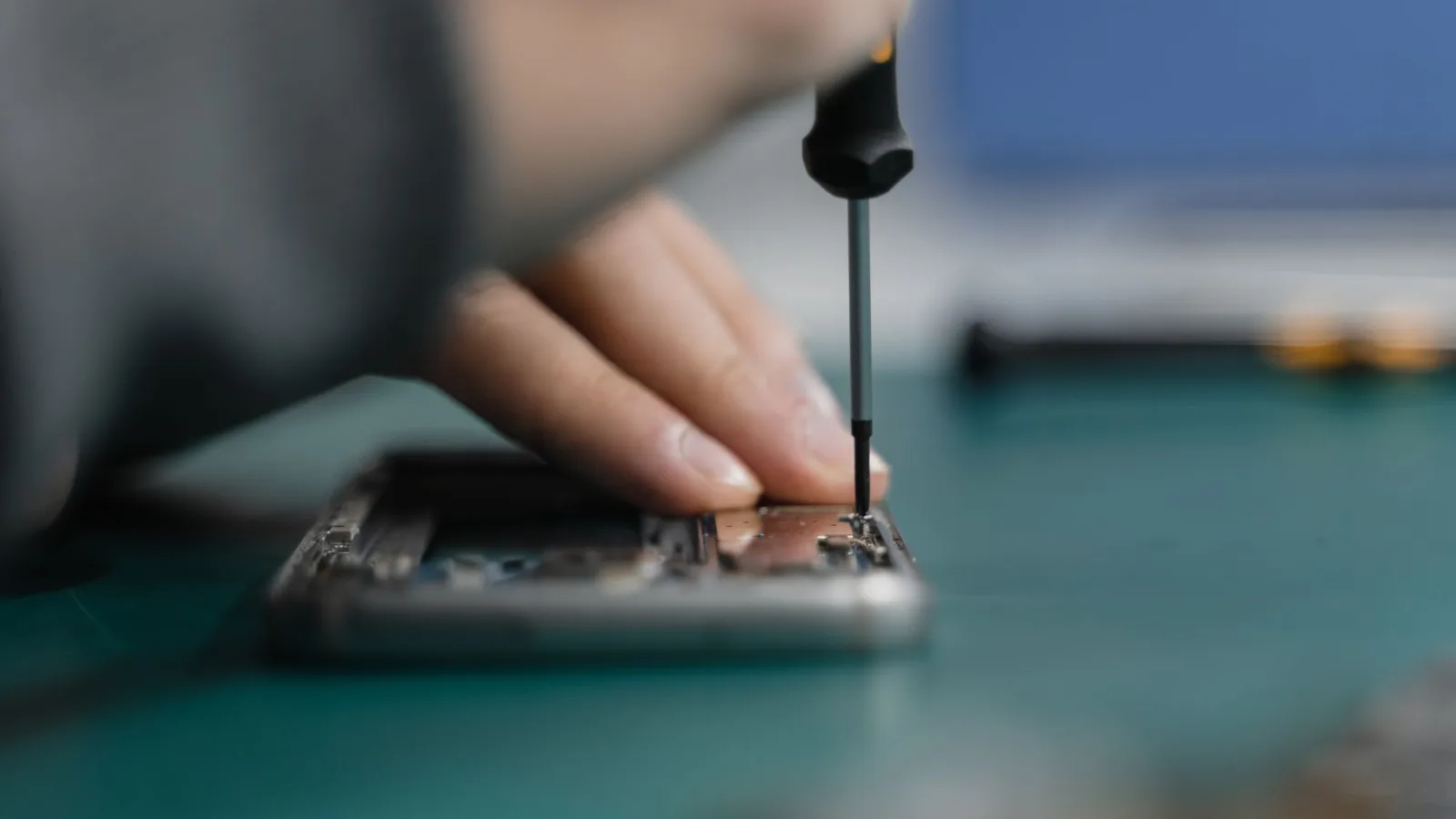
How do you start a recommerce business for electronics? Pick one device niche, such as phones, laptops or game consoles. Find a steady source of used stock. Then test, grade, wipe and fix each device, price it under new and sell it with a warranty buyers can trust. The profit comes from buying well and from fast, careful refurbishing.
Recommerce means reselling used goods, often after cleaning or repair. Electronics fit the model well because many devices still work for years after their first owner upgrades. We walk through the business in 10 steps, from choosing a niche to growing repeat sales.
How an Electronics Recommerce Business Makes Money
You buy used devices for less than they are worth in good condition. You add value through testing, repair, cleaning and grading. Then you sell for more than the total cost.
| Cost or income | Example for one used phone |
|---|---|
| Purchase price | Paid to the seller or supplier |
| Testing and data wipe | Staff time and software |
| Parts and repair | Battery, screen or charging port |
| Cleaning and packaging | Box, cable and accessories |
| Selling fees and shipping | Marketplace fee and courier |
| Warranty reserve | Money set aside for returns |
| Sale price | Your profit is what is left after all costs |
Track every line for every device. Small costs add up and decide whether a model is worth buying.
Step 1: Choose a Device Niche
Do not try to sell every kind of device at first. Each category needs its own parts, tools and testing steps.
| Niche | Why it works | What to watch |
|---|---|---|
| Smartphones | Large demand and fast upgrades | Locks, fakes and screen costs |
| Laptops | High value per unit | Battery health and keyboard wear |
| Tablets | Popular with students and families | Screen and battery repairs |
| Game consoles | Loyal buyers and steady demand | Controller and disc drive faults |
| Cameras and lenses | High value and keen hobby buyers | Sensor and lens checks need skill |
| Business IT gear | Bulk lots from companies | Large volumes and data rules |
Pick the niche you know best or can learn fastest.
Step 2: Find a Steady Source of Stock
Your margin starts when you buy. Common sources include:
- Trade-ins from customers through your own site or store.
- Business IT disposals when companies replace laptops and phones.
- Wholesale used stock from larger refurbishers and distributors.
- Returns and open-box stock from retailers.
- Repair shops that sell devices customers left behind.
- Auctions and liquidation lots for experienced buyers.
Buy small test lots first. Check the share of devices that work, need repair or are only good for parts.
Step 3: Check Devices Are Not Stolen or Locked
Stolen or locked devices can cost you money and your reputation. Check serial numbers and IMEI numbers against blacklist databases where available. Make sure phones and laptops are signed out of the owner’s accounts, such as Apple’s Activation Lock or Google’s factory reset protection. Keep a record of where you bought each device.
Step 4: Test and Grade Every Device
Use a written test list for each device type. Check the screen, battery, buttons, ports, cameras, speakers, mics and network. Many refurbishers use diagnostic software to test faster and keep records.
Then grade each device so buyers know what to expect.
| Grade | Typical condition |
|---|---|
| Like new | No visible marks, full function |
| Very good | Light marks, full function |
| Good | Visible wear, full function |
| Fair | Heavy wear, full function |
| Parts only | Does not work fully, sold for repair |
Show clear photos of each grade on your listings.
Step 5: Wipe All Personal Data
Buyers and sellers both need to know old data is gone. Use a trusted data erasure method for each device type and keep a record for every device. The US NIST SP 800-88 guide on media sanitization is a widely used reference for erasure methods. Business clients often ask for an erasure certificate.
Step 6: Repair and Refurbish
Simple fixes add the most value: new batteries, screens, charging ports and keyboards. Clean each device and replace worn cases where it makes sense.
Decide which repairs you will do in-house and which you will send out. Keep good parts suppliers and track repair costs per model.

Step 7: Price Each Device
Check what the same model and grade sells for on major marketplaces. Price under new, but high enough to cover all costs and a return reserve.
- Look at sold prices, not just listed prices.
- Adjust for grade, storage and color.
- Review prices weekly, since used prices fall when new models launch.
Step 8: Choose Where to Sell
Most recommerce businesses sell through several channels.
- Your own website for higher margins and repeat buyers.
- Large marketplaces for reach, with fees and strict rules for refurbished goods.
- Local shop or kiosk for trade-ins and walk-in buyers.
- B2B sales to schools, startups and small firms that need many devices.
Some marketplaces only let approved sellers list refurbished items. Read each platform’s rules before you apply.
Step 9: Offer a Warranty and Easy Returns
A warranty is the main thing that separates a refurbisher from a random seller. Many buyers will pay more for a device with a clear warranty and simple returns. Set aside part of each sale to cover claims.
Our guide to ecommerce return policy examples can help you write clear rules.
Step 10: Handle E-Waste Responsibly
Some devices cannot be fixed. Send them to certified recyclers for parts and safe disposal. In the US, the R2 and e-Stewards standards are two well-known certifications for electronics recyclers. Check local e-waste laws, since many places have rules for batteries and electronics.
Responsible disposal also helps your brand, since many recommerce buyers care about waste.
Startup Costs to Plan For
Costs depend on your niche and scale. Plan for these items:
- First stock of used devices.
- Tools and test gear, such as screwdrivers, heat tools, battery testers and diagnostic software.
- Parts stock for common repairs.
- Workspace with safe storage.
- Business registration and insurance.
- Website, photos and packaging.
Our startup compliance checklist covers the paperwork for a new business.
Launch Checklist
- Pick one device niche.
- Buy a small test lot.
- Write test, grade and data wipe steps.
- Set up repair tools and parts suppliers.
- Photograph and list your first devices.
- Publish warranty and return rules.
- Track cost and profit per device.
- Add a trade-in offer to bring in more stock.
Questions About Electronics Recommerce
Is an electronics recommerce business profitable?
It can be when you buy stock well, repair fast and keep returns low. Margins depend on the device, its grade and how quickly you sell before prices fall.
Do I need repair skills to start?
They help a lot. You can start by selling tested, working devices without repairs, or partner with a repair shop while you learn.
What is the difference between used and refurbished?
A used device is sold as it is. A refurbished device has been tested, cleaned, repaired where needed and usually comes with a warranty.