The cheapest business ideas to start from home sell a skill you already have: bookkeeping, writing, design, tutoring or admin work. Most need a laptop, a simple website and a few hundred dollars. Product businesses, like a home bakery or an Etsy shop, cost more because you buy materials and pay platform fees on every sale.
The US has about 36.2 million small businesses, and 99.9% of all firms count as small. Plenty of them began at a kitchen table with one person and one laptop.
We grouped 16 ideas by type. For each one, we estimated the startup cost from the items you would actually buy, and we listed how the money comes in.
Home Business Ideas Compared by Cost and Income Model
| Business idea | Our startup cost estimate | How you get paid | Time to first sale |
|---|---|---|---|
| Bookkeeping | $300 to $1,500 | Monthly retainer per client | 1 to 2 months |
| Virtual assistant | $100 to $500 | Hourly or monthly package | 2 to 4 weeks |
| Freelance writing and editing | $100 to $500 | Per word, per article or retainer | 2 to 6 weeks |
| Web design for local businesses | $300 to $1,500 | Project fee plus monthly care plan | 1 to 2 months |
| Social media management | $100 to $600 | Monthly retainer | 1 to 2 months |
| Video editing for creators | $500 to $2,500 | Per video or monthly | 2 to 6 weeks |
| Resume and LinkedIn writing | $100 to $400 | Fixed packages | 1 to 3 weeks |
| Online tutoring | $50 to $400 | Hourly | 1 to 3 weeks |
| Translation | $100 to $600 | Per word | 2 to 6 weeks |
| Consulting in your field | $200 to $1,000 | Day rate or project fee | 1 to 3 months |
| Handmade products on Etsy | $200 to $2,000 | Per item, minus fees | 1 to 2 months |
| Print-on-demand store | $50 to $500 | Per item, minus print cost | 2 to 6 weeks |
| Reselling secondhand goods | $200 to $1,500 | Per item, minus fees | 1 to 3 weeks |
| Home bakery under cottage food laws | $500 to $3,000 | Per item or per order | 1 to 2 months |
| Online courses and templates | $100 to $1,000 | Per sale or subscription | 2 to 4 months |
| Pet sitting and dog walking | $100 to $700 | Per visit or per night | 1 to 3 weeks |
How we estimated costs: We assumed you already own a laptop and phone. Each range covers a domain and simple website ($15 to $300 a year), basic software subscriptions, insurance where it applies, and the tools or stock that the business needs. Lower ends assume free tools. Higher ends add paid software, training or equipment.
Service Business Ideas You Can Start From Home
Bookkeeping
Small businesses need clean books every month, and many owners hate doing them. A home bookkeeper reconciles bank accounts, sends invoices and prepares reports for the client’s accountant. Accounting software makers run free or low-cost certification programs, which help new bookkeepers show they know the software. Most charge a monthly retainer per client, so ten steady clients make a stable income.
Virtual Assistant
A virtual assistant handles email, calendars, travel, data entry and customer support for busy owners. It is one of the fastest home businesses to launch because the skills come from everyday office work. Pick a niche, such as real estate agents or podcasters, so your pitch is specific. Monthly packages beat hourly rates because clients can budget for them.
Freelance Writing and Editing
Businesses pay for blog posts, product pages, newsletters and case studies. Writers who know an industry, such as finance or healthcare, can charge more than generalists. Build three or four sample pieces in your niche before you pitch. Retainers for a set number of articles a month keep income steady.
Web Design for Local Businesses
Plumbers, salons and dentists still need simple, fast websites. Website builders and WordPress themes let one person deliver a five-page site in a week or two. Charge a project fee, then add a monthly care plan for updates, backups and hosting. The care plan turns one-time clients into recurring revenue.
Social Media Management
Local businesses know they should post, but few have time. A social media manager plans content, writes captions, schedules posts and answers comments. Free scheduling tools cover the basics. Show results with simple monthly reports: reach, follows and messages that turned into bookings.
Video Editing for Creators
YouTubers and podcasters often hand off editing first. You need a capable computer and editing software, which is why startup costs run higher. Charge per finished video at first, then move steady clients to a monthly package. Short clips for TikTok and Reels make a good add-on.
Resume and LinkedIn Writing
Job seekers pay for a resume that gets interviews. Offer fixed packages, such as resume only, resume plus cover letter, or a full LinkedIn rewrite. Experience in hiring or HR helps you stand out. Referrals and before-and-after samples bring most clients.
Online Tutoring
Students and parents pay for help in math, science, languages and test prep. A webcam, headset and a quiet room are enough to begin. Tutors with teaching credentials or high test scores can charge higher hourly rates. Tutoring platforms bring clients faster, but they keep a share of each lesson.
Translation
Bilingual people can translate websites, documents and marketing material. Certified translations for legal and immigration papers pay more but need formal credentials. Most translators charge per word. A narrow focus, like medical or legal content, makes pricing easier to defend.
Consulting in Your Field
Years of experience in HR, IT, operations or sales can become a consulting business. Consultants sell a defined result, such as a hiring process or a sales playbook, for a project fee. Former employers and industry contacts are often the first clients. A short case study from each project helps win the next one.
Product Business Ideas You Can Start From Home
Handmade Products on Etsy
Etsy charges $0.20 to list an item, a 6.5% transaction fee and, in the US, a payment processing fee of 3% plus $0.25 per order. On a $40 sale, those fees come to about $4.25 before shipping and ads. So price your work to cover materials, fees and your time. Jewelry, candles, prints and personalized gifts sell well because buyers want something unique.
Print-on-Demand Store
Print-on-demand services print your designs on shirts, mugs and posters only after a customer orders. You hold no stock, so the risk is low. The trade-off is thin margins, often a few dollars per item after print costs and fees. Designs aimed at a narrow group, like nurses or anglers, sell better than general slogans.
Reselling Secondhand Goods
Resellers buy clothes, books, electronics and furniture at thrift stores and garage sales, then sell online. Your profit is made at the buying stage, so learn which brands sell fast. Platform fees vary a lot. Poshmark, for example, takes 20% of sales over $15, so check each fee before you price.
Home Bakery Under Cottage Food Laws
Most US states let you sell some foods made in a home kitchen under cottage food laws. The rules differ by state: which foods qualify, if you need a permit and how much you can sell each year. Breads, cookies and dry goods are usually allowed. Foods that need refrigeration, like cheesecake, often are not.
Online Courses and Templates
If you know how to do something people pay to learn, package it. Courses, spreadsheet templates, planners and design assets cost little to sell again and again. The hard part is getting buyers. Most creators build an email list or social following before launching.
Pet Sitting and Dog Walking
Pet owners pay for daily walks, drop-in visits and overnight stays. You can run bookings from home and visit clients nearby. Pet sitting apps help you find first clients but take a share of each booking. Pet care insurance and a simple contract protect you if something goes wrong.
How to Start a Home Business the Legal Way
Check these before your first sale.
- Zoning and HOA rules. Many cities allow home businesses with limits on signs, parking and client visits. HOAs can be stricter.
- Business structure. Most start as a sole proprietor. An LLC adds liability protection for a state filing fee. Our DBA guide explains how to use a brand name without forming a company.
- Licenses and permits. Food, childcare, cosmetology and some trades need specific licenses. Check your city and state websites.
- Sales tax. If you sell products, you may need a sales tax permit in your state.
- Separate money. Open a business bank account so income and costs are easy to track at tax time.
- Insurance. Homeowners policies often exclude business activity. Ask about a home business rider or a small business policy.
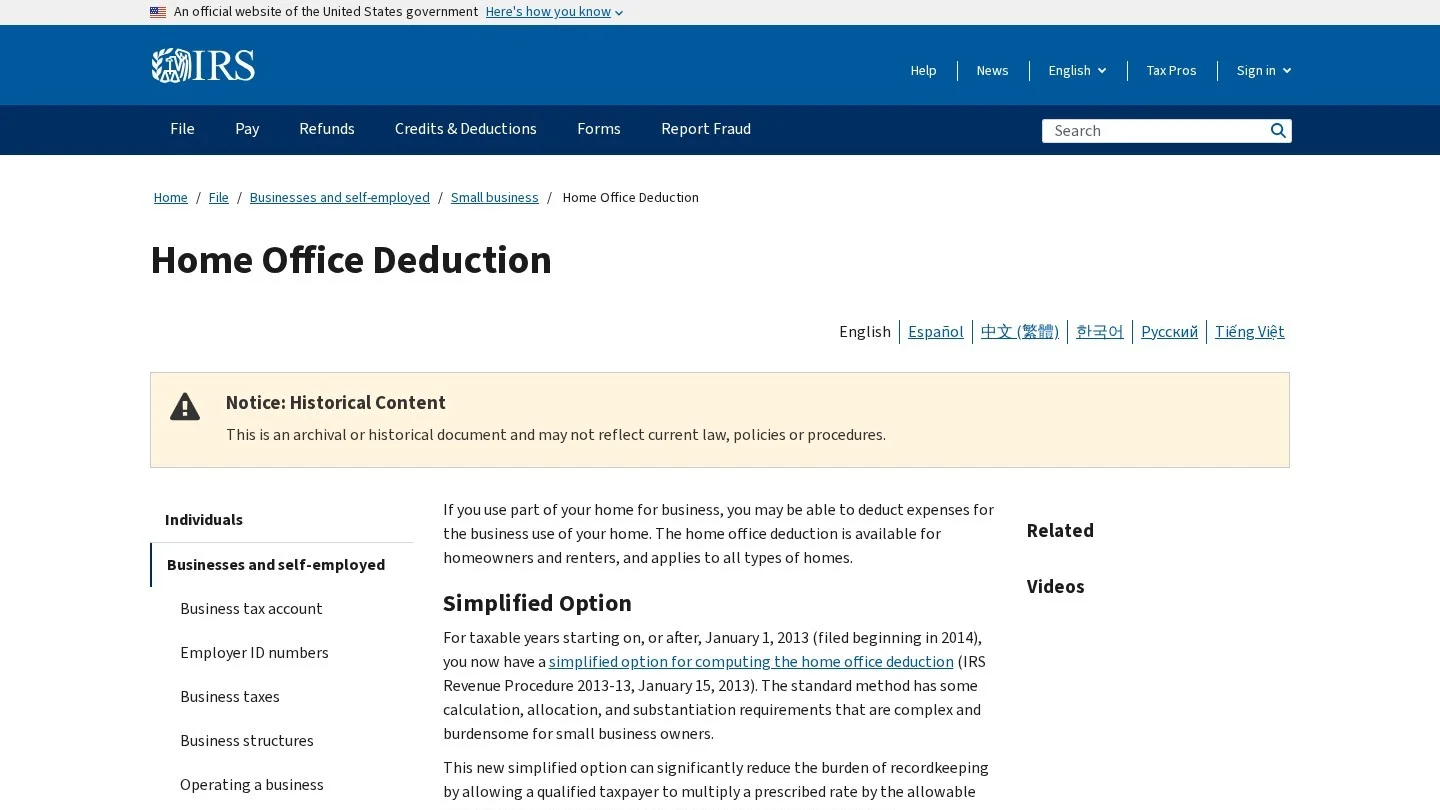
Tax tip: If part of your home is used regularly and only for business, you may qualify for the home office deduction. The simplified method allows $5 per square foot for up to 300 square feet. Our home office setup guide covers the rules and the budget.
Pick the Right Home Business Idea for You
Ask yourself three questions.
- What do people already pay you for? A skill from your current job is the fastest path to the first invoice.
- How much can you risk? Service businesses cost a few hundred dollars. Product businesses tie up money in stock.
- How do you like to work? Client work means calls and deadlines. Product businesses mean packing, shipping and customer messages.
Then test cheaply. Offer your service to three people you know, or list five products, before you spend on a logo or a fancy website.
Related reading: freelance hourly rate calculator, small business expense spreadsheet and business ideas under 5 lakhs.
Home Business Ideas: Common Questions
What is the easiest business to start from home?
A service you already know how to do, such as bookkeeping, writing, tutoring or admin support. All you need is a laptop, and you can land the first client through people you know.
Which home business makes the most money?
Skilled services with monthly retainers, like bookkeeping, web design care plans and consulting, tend to earn the most per hour. Product businesses can grow larger, but they need more money and time to scale.
Do I need a license to run a business from home?
Often, yes. Many cities require a general business license, and some activities need special permits. Check your city and state websites before you start.
Can I start a home business while working full time?
Yes, many people do. Pick something with flexible hours, like writing, reselling or an online shop. Read your employment contract first to make sure there is no conflict.