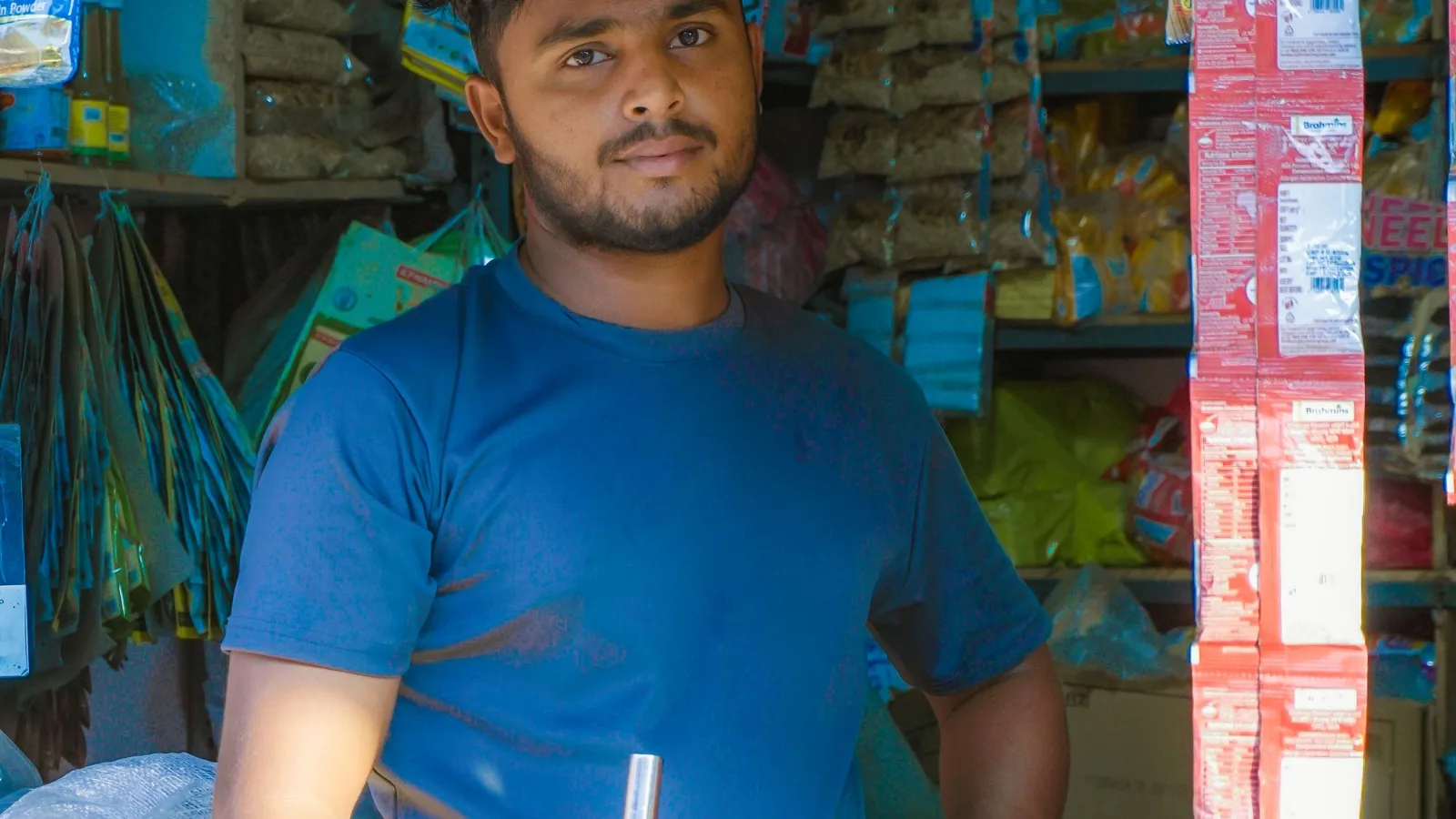
A two-machine flour mill, complete with a bag closer and weighing scale, costs ₹1.44 lakh on the Bihar Industries Department’s official tools and cost list. A mobile repair bench with a hot air gun, flashing box and inverter backup costs ₹1.5 lakh. Those numbers show what a ₹5 lakh budget can really buy in India: a working small business with proper equipment, plus enough left over for rent, a deposit and several months of running costs.
Below are 21 business ideas under 5 lakh, each priced from that government list, with the licences you need, the skills that matter and how the business earns money. You will also find a full comparison table, a worked budget for a ₹5 lakh launch and the government loans (Mudra, PMEGP and Stand-Up India) that can fund part of it, checked on official pages in November 2026.
21 Bihar-Costed Ideas and the Paperwork Each Needs
- All 21 ideas below are costed at ₹2 lakh for equipment and working capital in the Bihar Laghu Udyami Yojana list for 2023-24, leaving about ₹3 lakh of a ₹5 lakh budget for premises, setup and a cash reserve.
- Equipment ranges from ₹92,000 for a pickle unit to ₹1.83 lakh for a dhaba or food-on-wheels kitchen, so food and repair businesses use most of the money on machines.
- Food businesses need FSSAI registration, which costs ₹100 a year for turnover up to ₹12 lakh. Udyam registration is free, and GST applies above ₹40 lakh of goods sales or ₹20 lakh of services in most states.
- A Mudra Kishore loan covers ₹50,000 to ₹5 lakh without collateral, while PMEGP adds a 15% to 35% subsidy on service projects up to ₹20 lakh.
- Pick the idea your area already buys, then check the numbers with a break-even calculation before you spend.
How These Business Ideas Under 5 Lakh Were Priced
Most lists of small business ideas quote a single round number with no source. We used something better: an official equipment list. The Directorate of Technical Development in Bihar’s Department of Industries publishes a tools and cost list for 61 small projects under the Bihar Laghu Udyami Yojana. Each project is budgeted at ₹2 lakh, split between machinery and working capital, and every machine has a price.
Three things to keep in mind as you read. First, the prices date from the 2023-24 list, so expect some items to cost more today. Second, the list covers machines and opening stock, not rent, deposits or interiors. Third, the ₹2 lakh figure is a lean setup. With a ₹5 lakh budget, you can buy the same kit and still keep about ₹3 lakh for a shop, licences and a cash buffer, which is what separates a business that survives its first slow months from one that does not.

Licences Most Small Businesses in India Need
The paperwork for a business under ₹5 lakh is lighter than most people fear. A handful of registrations cover almost every idea in this guide.
| Registration | Who needs it | Cost |
|---|---|---|
| Udyam registration | Any micro or small business that wants MSME benefits and scheme loans | Free on the Udyam portal |
| FSSAI basic registration | Food businesses with turnover up to ₹12 lakh a year | ₹100 a year |
| FSSAI state licence | Food businesses above ₹12 lakh turnover | Higher fee, set by FSSAI |
| GST registration | Turnover above ₹40 lakh for goods or ₹20 lakh for services in most states; lower limits in some special category states | No government fee |
| Shops and Establishments registration | Any shop, office or workshop with premises, under your state’s law | Varies by state |
| Municipal trade licence | Trades listed by your city corporation or municipality | Varies by city |
Udyam registration takes an Aadhaar number and a PAN, and it costs nothing. Do it early, because banks ask for it when you apply for a Mudra or PMEGP loan. For food, FSSAI basic registration costs ₹100 a year and covers businesses with turnover up to ₹12 lakh, according to a PMFME guide published by NIFTEM. Above that, you need a state licence.
GST is the one that trips people up. The registration limit is ₹40 lakh for goods suppliers in most states and ₹20 lakh for service providers, with lower limits in some north-eastern and hill states, as ClearTax’s summary of the GST thresholds explains. Registration is compulsory regardless of turnover if you sell across state lines or sell goods through e-commerce platforms that collect tax at source. Local rules differ too. In Delhi, for example, Shops and Establishments registration is free, and the MCD now bills trade licence fees with property tax, as we covered in our guide to starting a gaming cafe in Delhi.
Food Business Ideas Under 5 Lakh
Food is the biggest group on the Bihar list, and for good reason. People buy flour, spices and snacks every week, so demand is steady and easy to test. The trade-off is that food units need FSSAI registration and careful hygiene from the first day.
1. Flour Mill for Atta, Sattu and Besan
A neighbourhood chakki earns in two ways: a grinding charge when customers bring their own grain, and margin when you sell your own packed atta, sattu or besan to shops. Packed sattu and besan sell well in eastern India, and branded local flour can sit on kirana shelves next to national brands.
- Startup cost: ₹1,44,000 in equipment (two stone flour mills with 5 HP motors for ₹1,20,000, a bag closer for ₹7,000, a weighing scale for ₹7,000 and hand tools for ₹10,000), plus ₹56,000 working capital.
- Licences: FSSAI registration, Udyam and a power connection that can run two 5 HP motors.
- Skills: grain quality checks, machine upkeep and stone dressing, and simple stock control.
2. Spice Grinding and Packing
Ground turmeric, chilli and coriander, and blended masalas, move fast through local grocery stores and hotels. You buy whole spices in bulk, clean, grind and pack them, and sell to retailers at a margin over your raw material cost. Restaurants and caterers buying in 5 kg or 10 kg packs make good anchor customers.
- Startup cost: ₹1,44,000 in equipment (two stone spice mills with 5 HP motors for ₹1,20,000, a bag closer, a weighing scale and hand tools), plus ₹56,000 working capital.
- Licences: FSSAI registration, Udyam, and label details on every pack under food rules.
- Skills: sourcing good raw spices, consistent blending and basic packaging design.
3. Namkeen Production
Bhujia, sev and nimki have loyal buyers in every town. A small unit sells loose namkeen to sweet shops and kirana stores, and packed namkeen under its own brand. Festival months bring a sharp rise in orders, so plan stock and cash for them.
- Startup cost: ₹1,78,000 in equipment (a nimki machine for ₹80,000, a besan mixer for ₹28,000, a bhujiya machine for ₹25,000, an oil separator for ₹20,000, a band sealer for ₹15,000, a gas stove and a kadhai), plus ₹22,000 working capital.
- Licences: FSSAI registration, Udyam and fire safety care in the frying area.
- Skills: recipe consistency, oil management and shelf-life control.
4. Papad and Bari Unit
Papad and bari (sun-dried lentil dumplings) are low-cost products with long shelf lives, which makes them good for selling to distributors in nearby towns. The semi-automatic papad machine does most of the work, so a small team can produce at scale.
- Startup cost: ₹1,76,000 in equipment (a semi-automatic papad machine for ₹80,000, a single deck dryer for ₹50,000, a besan mixer for ₹30,000 and a paste pulveriser for ₹16,000), plus ₹24,000 working capital.
- Licences: FSSAI registration and Udyam.
- Skills: dough and drying control, plus building a distributor network.
5. Pickle Making
Pickle making has the lowest equipment bill on the list, which leaves room for what matters most: raw mangoes, lemons and oil bought in season. You earn by selling jars to shops, through local events and online. Many home pickle brands start with family recipes and grow through word of mouth.
- Startup cost: ₹92,000 in equipment (two fruit slicers for ₹50,000, a fruit washing unit for ₹20,000, a stove with a steel vat for ₹15,000 and an induction sealer for ₹7,000), plus ₹1,08,000 working capital for seasonal raw material.
- Licences: FSSAI registration and Udyam. If you sell across state lines or through marketplaces, plan for GST registration.
- Skills: recipes that stay safe on the shelf, hygiene and attractive packaging.
6. Fruit Juice and Shake Unit
A juice counter near a college, hospital or market earns cash every day through fresh juices and shakes. Margins depend on buying fruit well and cutting waste. Summer months bring the most sales.
- Startup cost: ₹1,16,000 in equipment (a 20-litre mixer for ₹35,000, a motorised juice machine for ₹25,000, a carrot juicer for ₹25,000, a bottle filling machine for ₹25,000 and a small mixer for ₹6,000), plus ₹84,000 working capital.
- Licences: FSSAI registration, Shops and Establishments registration, and a vending permission if you trade on the street.
- Skills: fruit buying, cleanliness and fast service at peak hours.
7. Sweet Shop
A sweet shop earns from daily sales, festival orders and bulk orders for weddings and functions. The cooled display counter is the biggest single cost, and it matters, because it keeps milk sweets fresh and on show.
- Startup cost: ₹1,50,000 in equipment (an AC display counter for ₹75,000, a 550-litre deep freezer for ₹35,000, a grinder for ₹15,000, a gas stove for ₹10,000, utensils for ₹8,500 and a mixer for ₹6,500), plus ₹50,000 working capital.
- Licences: FSSAI registration, Shops and Establishments registration and a municipal trade licence where required.
- Skills: a skilled halwai, cold chain discipline and festival planning.
8. Tiffin Service, Dhaba or Food on Wheels
Tiffin services sell monthly meal plans to students and office workers, which gives steady, prepaid income. A dhaba or food cart adds walk-in sales. This is the most equipment-heavy idea on the list, so leave room in your budget for a vehicle or cart if you go mobile.
- Startup cost: ₹1,82,500 in equipment (a deck oven for ₹75,000, a 550-litre deep freezer for ₹35,000, a 20-litre fryer for ₹25,000, a utensil set for ₹20,000, two gas stoves for ₹16,000, a mixer and other tools), plus ₹17,500 working capital.
- Licences: FSSAI registration, Shops and Establishments registration and local vending or trade permission.
- Skills: menu costing, consistent cooking and delivery planning.
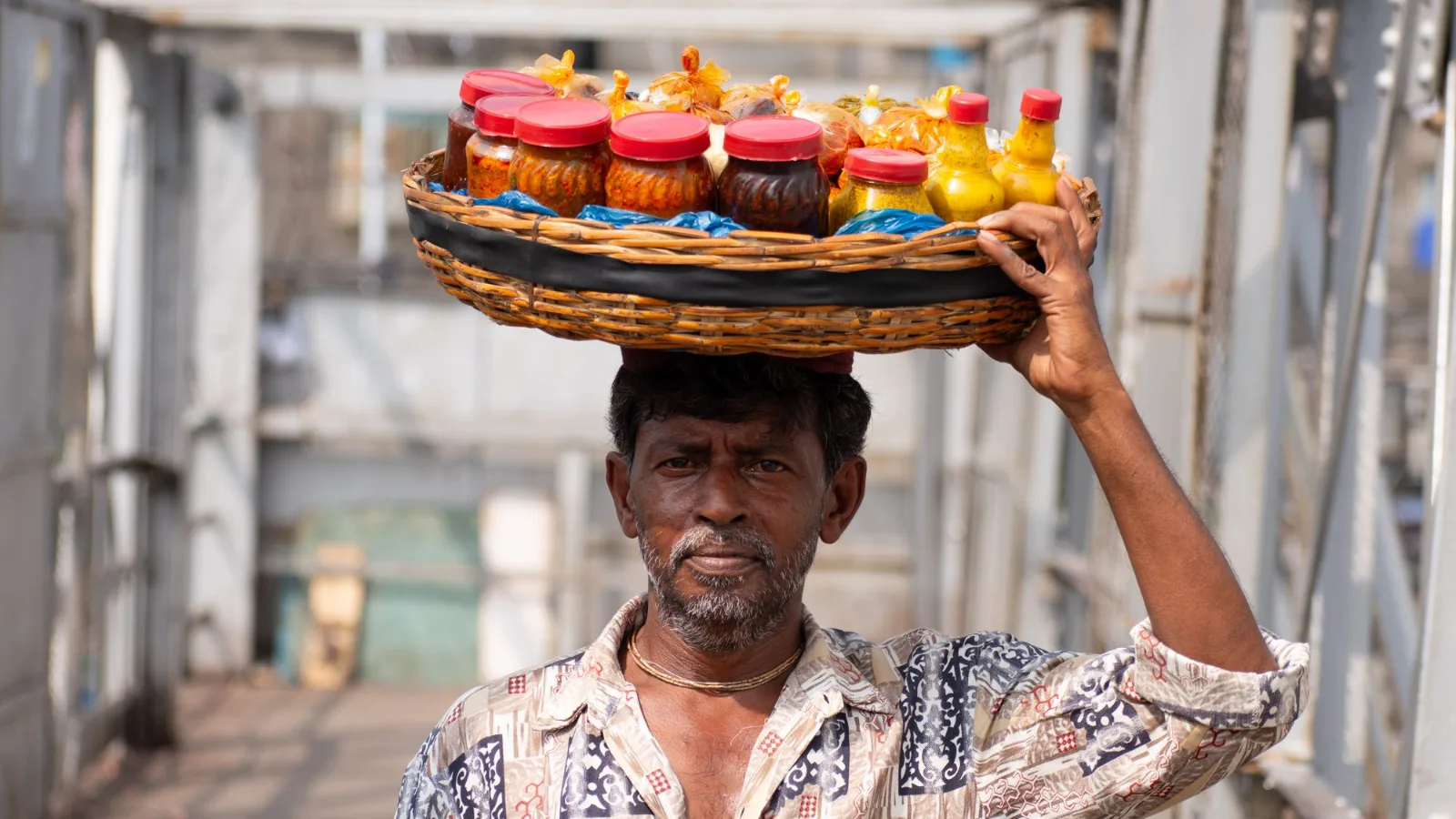
Garment, Beauty and Laundry Businesses
These ideas sell skills more than products. That makes them easy to start at home or in a small shop, and repeat customers do most of the marketing.
9. Tailoring and Readymade Garments
A tailoring unit earns from stitching charges, alterations and small batches of readymade clothes for local shops. Blouses, school uniforms and kurtas bring steady orders. The overlock machine gives a factory finish that lets you sell to retailers.
- Startup cost: ₹1,25,000 in equipment (two single-needle machines for ₹50,000, a 4-thread overlock for ₹40,000, a cutting table for ₹15,000, a steam press and a small cutter for ₹7,500 each, and hand tools), plus ₹75,000 working capital.
- Licences: Udyam and Shops and Establishments registration if you run a shop.
- Skills: pattern cutting, finishing and on-time delivery.
10. Embroidery and Designer Garments
A computerised embroidery machine turns plain fabric into higher-value pieces. You can charge per design for boutiques and sell embroidered suits, dupattas and uniforms with logos. Corporate and school logo work brings bulk orders.
- Startup cost: ₹1,50,000 in equipment (a computerised embroidery machine for ₹70,000, a 4-thread overlock for ₹40,000, a single-needle machine for ₹25,000, a counter and chair and hand tools), plus ₹50,000 working capital.
- Licences: Udyam and Shops and Establishments registration.
- Skills: design software, thread and fabric knowledge, and selling to boutiques.
11. Beauty Parlour or Salon
A parlour earns from services such as haircuts, threading, facials and bridal makeup, plus product sales. Bridal and festival bookings bring the highest tickets. The Bihar list prices a parlour and a men’s salon with the same equipment.
- Startup cost: ₹1,47,900 in equipment (three chairs for ₹45,000, an inverter and battery for ₹30,000, a three-seater sofa for ₹25,000, a counter for ₹20,000, mirrors, a wash basin, fans, hair tools and other tools), plus ₹52,100 working capital.
- Licences: Shops and Establishments registration, a municipal trade licence where your city requires one, and Udyam.
- Skills: a beautician course or proven experience, hygiene and customer care.
12. Dry Cleaning and Laundry
Working professionals, hostels and small hotels pay for washing, ironing and dry cleaning. Pickup and delivery lets you charge more than a local dhobi. Contracts with paying guest hostels and clinics give steady volume.
- Startup cost: ₹1,47,500 in equipment (a 20 kg heavy-duty washing machine with dryer for ₹1,00,000, a counter for ₹30,000, an ironing table for ₹10,000 and an iron for ₹7,500), plus ₹52,500 working capital.
- Licences: Shops and Establishments registration and Udyam.
- Skills: fabric care, stain removal and reliable delivery.
Repair and Tech Service Business Ideas
Repair work grows as more homes own phones, two-wheelers, air conditioners and inverters. These businesses earn service charges plus a margin on spare parts, and good work brings repeat customers without much advertising.
13. IT and Online Services Centre
An IT centre earns from printing, scanning, photocopying, form filling, online applications and computer typing. Near colleges, courts and government offices, demand is steady all year. Add bill payments and ticket bookings to raise the average spend per visit.
- Startup cost: ₹1,70,000 in equipment (three desktop sets for ₹1,05,000, three desks and chairs for ₹30,000, a multifunction printer and scanner for ₹25,000, and a router and hard disk for ₹10,000), plus ₹30,000 working capital.
- Licences: Shops and Establishments registration and Udyam.
- Skills: computer skills, knowledge of common government portals and careful handling of customer data.
14. Mobile Repair Shop
Screen, battery and charging port repairs make up most of the work in a phone repair shop. You earn a labour charge plus the margin on parts, and you can add accessories for extra sales. Quick, honest service matters, because customers return and recommend you.
- Startup cost: ₹1,50,000 in equipment (a desktop with peripherals for ₹50,000, a workstation for ₹30,000, an inverter and battery for ₹30,000, phone flashing boxes for ₹15,000, two hot air guns for ₹10,000, a digital multimeter and other tools), plus ₹50,000 working capital.
- Licences: Shops and Establishments registration and Udyam.
- Skills: chip-level repair training, soldering and parts sourcing.
15. Inverter, UPS and CCTV Installation
Power cuts and security worries keep demand high for inverters, stabilisers and CCTV cameras. A small unit can assemble stabilisers, repair inverters and install CCTV for shops and homes. Annual maintenance contracts add steady income.
- Startup cost: ₹1,30,000 in equipment (a transformer winding machine for ₹50,000, a counter for ₹30,000, hand tools for ₹20,000, a stand drill for ₹15,000, dies for ₹10,000 and a testing panel for ₹5,000), plus ₹70,000 working capital.
- Licences: Udyam and Shops and Establishments registration.
- Skills: electronics training (an ITI electrician or electronics course helps) and safe wiring practice.
16. Two-Wheeler Repair Shop
India’s huge two-wheeler fleet needs servicing, oil changes, tyre work and washing. A workshop with a hydraulic lift and air compressor can handle more bikes a day than a roadside mechanic and charge for full services.
- Startup cost: ₹1,70,000 in equipment (a hydraulic lift and a 3 HP air compressor for ₹45,000 each, a manual tyre changer for ₹25,000, other tools for ₹25,000, a washing set for ₹20,000 and a counter for ₹10,000), plus ₹30,000 working capital.
- Licences: Shops and Establishments registration, a municipal trade licence where required and Udyam.
- Skills: mechanic training and parts buying.
17. AC Repair and Servicing
AC servicing peaks before summer, while gas refills and repairs continue all year. You earn per service visit and through annual maintenance contracts with offices and shops. This business needs little shop space, since most work happens at the customer’s site.
- Startup cost: ₹1,70,000 in equipment (a 1.5-tonne compressor for ₹40,000, a vacuum pump and hand grinder for ₹20,000 each, a motor winding machine, a charging set, a welding set and spanner sets for ₹15,000 each, plus drills, a multimeter and hand tools), plus ₹30,000 working capital.
- Licences: Udyam, plus Shops and Establishments registration if you keep a shop.
- Skills: refrigeration and AC training, gas handling and safety.
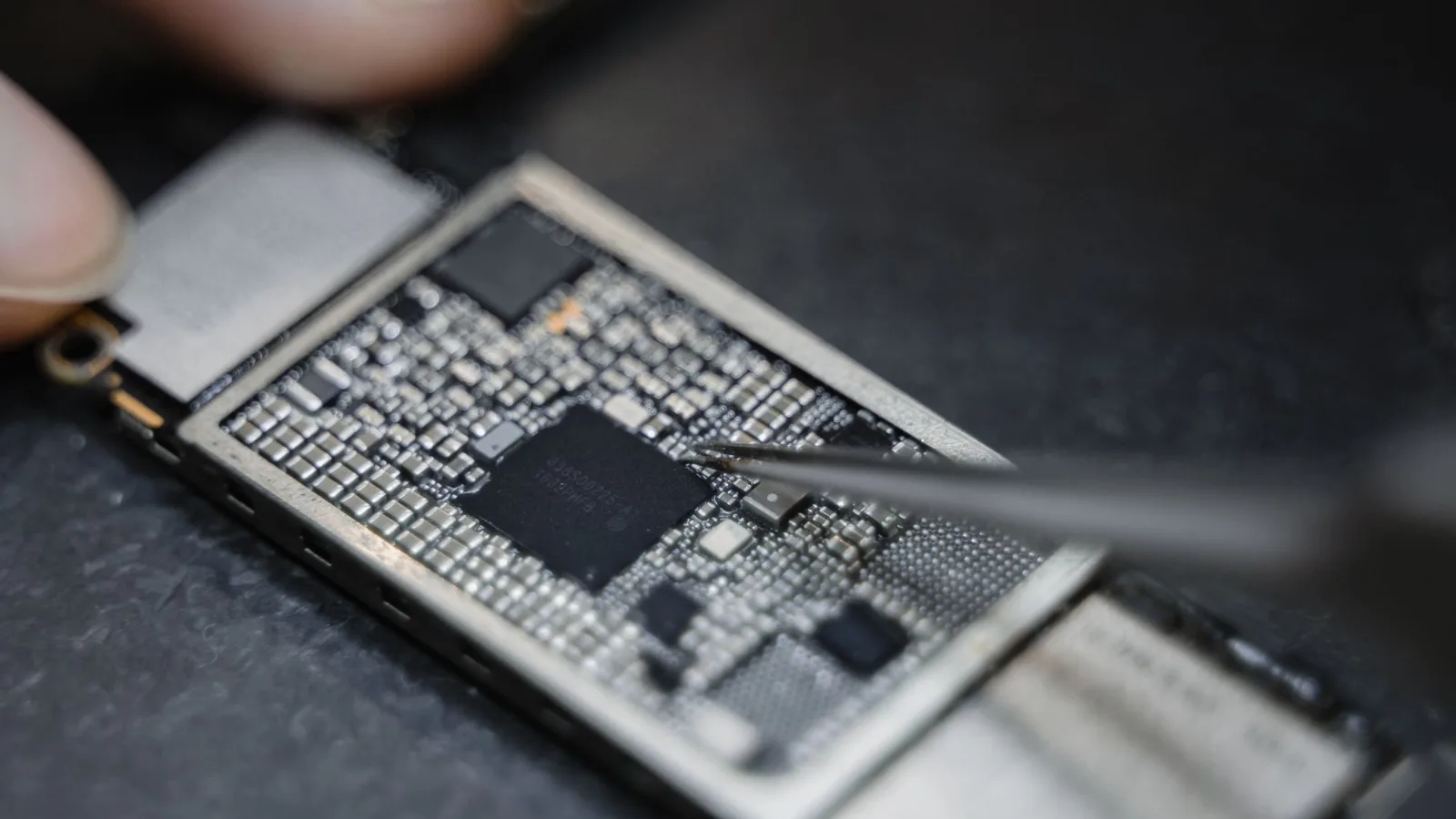
Small Workshop and Manufacturing Ideas
These units make products for other businesses and households. They need more space and power than a service shop, but they can sell to many buyers at once through dealers.
18. Carpentry and Furniture Workshop
A furniture workshop earns from custom orders such as beds, wardrobes and kitchen cabinets, plus repairs and contract work for builders and interior designers. A multipurpose planer speeds up the work and improves the finish.
- Startup cost: ₹1,55,000 in equipment (a multipurpose planer for ₹90,000, a counter for ₹30,000, woodworking tools for ₹15,000, hand tools for ₹12,000 and an electric hand planer for ₹8,000), plus ₹45,000 working capital.
- Licences: Udyam, Shops and Establishments registration and a municipal trade licence where required.
- Skills: carpentry, measuring and quoting accurately.
19. Candle Making
Candles sell steadily to homes and places of worship, and sales jump around Diwali and other festivals. Decorative and scented candles fetch higher prices through gift shops and online stores. The mould machine lets you make many candles in one batch.
- Startup cost: ₹1,20,000 in equipment (a candle mould machine for ₹50,000, a stove and utensils for ₹20,000, a counter for ₹20,000, a foot-operated packing machine for ₹15,000 and hand tools for ₹15,000), plus ₹80,000 working capital.
- Licences: Udyam, and GST if you sell across states or through marketplaces.
- Skills: wax handling, design and festive-season planning.
20. Detergent Powder and Cake
Local detergent brands compete on price in small towns and villages, and they sell to laundries, hostels and hotels. You mix raw materials, grind, pack and sell through retailers and distributors.
- Startup cost: ₹1,30,000 in equipment (a 50 kg mini mixer for ₹45,000, a 3 HP grinder for ₹30,000, a counter for ₹20,000, a band sealer for ₹15,000, hand tools for ₹12,000 and a trolley for ₹8,000), plus ₹70,000 working capital.
- Licences: Udyam and Shops and Establishments registration or local factory rules, depending on your state.
- Skills: formulation, safe chemical handling and dealer sales.
21. Gate, Grill and Welding Fabrication
Every new house and shop needs gates, grills, railings and shutters. A fabrication unit earns per kilogram or per piece and often works through builders and contractors. Bigger jobs need advance payments so the business is not funding the customer’s steel.
- Startup cost: ₹1,60,000 in equipment (a pipe bending machine for ₹40,000, a MIG welding set for ₹35,000, an air compressor spray paint machine for ₹30,000, a 30 mm drilling machine for ₹20,000, jigs and fixtures for ₹20,000 and an iron cutter for ₹15,000), plus ₹40,000 working capital.
- Licences: Udyam, a municipal trade licence where required and a power connection rated for welding.
- Skills: welding, measuring on site and safety practice.
Business Ideas Under 5 Lakh Compared
The table puts all 21 ideas side by side. Equipment and working capital come from the Bihar list. Every project there totals ₹2 lakh, so the last column shows how much of a ₹5 lakh budget is left for rent, setup and a reserve.
| Business idea | Equipment | Working capital | Main licences | Left from ₹5 lakh |
|---|---|---|---|---|
| Flour mill | ₹1,44,000 | ₹56,000 | FSSAI, Udyam | ₹3,00,000 |
| Spice grinding and packing | ₹1,44,000 | ₹56,000 | FSSAI, Udyam | ₹3,00,000 |
| Namkeen production | ₹1,78,000 | ₹22,000 | FSSAI, Udyam | ₹3,00,000 |
| Papad and bari unit | ₹1,76,000 | ₹24,000 | FSSAI, Udyam | ₹3,00,000 |
| Pickle making | ₹92,000 | ₹1,08,000 | FSSAI, Udyam | ₹3,00,000 |
| Fruit juice unit | ₹1,16,000 | ₹84,000 | FSSAI, shop registration | ₹3,00,000 |
| Sweet shop | ₹1,50,000 | ₹50,000 | FSSAI, shop registration | ₹3,00,000 |
| Tiffin, dhaba or food on wheels | ₹1,82,500 | ₹17,500 | FSSAI, shop or vending permit | ₹3,00,000 |
| Tailoring and readymade garments | ₹1,25,000 | ₹75,000 | Udyam, shop registration | ₹3,00,000 |
| Embroidery and garments | ₹1,50,000 | ₹50,000 | Udyam, shop registration | ₹3,00,000 |
| Beauty parlour or salon | ₹1,47,900 | ₹52,100 | Shop registration, trade licence | ₹3,00,000 |
| Dry cleaning and laundry | ₹1,47,500 | ₹52,500 | Shop registration, Udyam | ₹3,00,000 |
| IT and online services centre | ₹1,70,000 | ₹30,000 | Shop registration, Udyam | ₹3,00,000 |
| Mobile repair shop | ₹1,50,000 | ₹50,000 | Shop registration, Udyam | ₹3,00,000 |
| Inverter, UPS and CCTV work | ₹1,30,000 | ₹70,000 | Shop registration, Udyam | ₹3,00,000 |
| Two-wheeler repair | ₹1,70,000 | ₹30,000 | Shop registration, trade licence | ₹3,00,000 |
| AC repair service | ₹1,70,000 | ₹30,000 | Udyam | ₹3,00,000 |
| Carpentry and furniture | ₹1,55,000 | ₹45,000 | Udyam, trade licence | ₹3,00,000 |
| Candle making | ₹1,20,000 | ₹80,000 | Udyam | ₹3,00,000 |
| Detergent powder and cake | ₹1,30,000 | ₹70,000 | Udyam, local rules | ₹3,00,000 |
| Grill fabrication and welding | ₹1,60,000 | ₹40,000 | Udyam, trade licence | ₹3,00,000 |
A pattern stands out. Pickle making and candle making put the most money into working capital, because their real cost is raw material. Food-on-wheels, namkeen and papad units sink almost everything into machines, so they need sales to start quickly. If cash is tight, ideas with lower equipment costs give you more room for mistakes.
A Worked ₹5 Lakh Budget for a Mobile Repair Shop
This plan shows how one idea fits a full ₹5 lakh budget. The equipment and working capital figures come from the Bihar list. The rent, setup and margin figures are our planning assumptions for a small-town shop, so replace them with your own quotes.
| Item | Amount | Basis |
|---|---|---|
| Repair equipment | ₹1,50,000 | Bihar list |
| Working capital (parts and stock) | ₹50,000 | Bihar list |
| Rent deposit (3 months at ₹15,000) | ₹45,000 | Assumption |
| Signage, lighting and display shelf | ₹40,000 | Assumption |
| Registrations, branding and sundries | ₹15,000 | Assumption |
| Cash reserve | ₹2,00,000 | Balance of budget |
| Total | ₹5,00,000 |
Monthly fixed costs in this plan are ₹38,000: rent of ₹15,000, electricity and internet of ₹3,000 and ₹20,000 for the owner’s own salary. The ₹2 lakh reserve covers about five months of those costs, which is a sensible cushion while you build a customer base.
Now suppose you fund ₹3 lakh of the budget with a Mudra Kishore loan over three years. At an assumed 10% interest rate, the EMI works out to about ₹9,680 a month, which you can check with our guide on how to calculate EMI. That lifts fixed costs to ₹47,680. If an average repair job leaves ₹300 of gross profit after parts, you need about 159 jobs a month, or six to seven a day over 26 working days, to break even. Run your own figures through our free break-even calculator before you sign a lease.
Government Loans and Subsidies for a ₹5 Lakh Business
Most people starting a business under ₹5 lakh do not need to fund it all from savings. Three central schemes are worth knowing, and some states add their own.
Pradhan Mantri Mudra Yojana
Mudra loans are the most direct fit. The government’s scheme note on PMMY loan categories lists four slabs:
| Mudra category | Loan amount |
|---|---|
| Shishu | Up to ₹50,000 |
| Kishore | Above ₹50,000 and up to ₹5 lakh |
| Tarun | Above ₹5 lakh and up to ₹10 lakh |
| Tarun Plus | ₹10 lakh to ₹20 lakh, for borrowers who have repaid a Tarun loan |
Mudra loans need no collateral and fund income-generating activities in manufacturing, trading, services and activities allied to agriculture. Banks, regional rural banks, small finance banks, NBFCs and microfinance institutions all lend under the scheme. You can apply online through the Udyamimitra portal or at a bank branch. A ₹5 lakh business fits the Kishore slab.
PMEGP
The Prime Minister’s Employment Generation Programme gives a capital subsidy instead of just a loan. According to SBI’s PMEGP page, the maximum project cost is ₹50 lakh for manufacturing and ₹20 lakh for business or service units. The subsidy ranges from 15% to 35% of project cost, with the higher rates for rural and special category applicants. You put in 10% of the project cost if you are in the general category, or 5% for special categories such as SC, ST and OBC applicants.
Any adult over 18 can apply. You need at least a Class 8 pass for manufacturing projects above ₹10 lakh or service projects above ₹5 lakh, so a small project under those limits does not need it. Applications go through the PMEGP e-portal on the KVIC website.
Stand-Up India
Stand-Up India loans range from ₹10 lakh to ₹1 crore for greenfield projects by SC, ST and women entrepreneurs, according to the Department of Financial Services. The borrower must put in at least 10% of the project cost. That minimum loan is twice a ₹5 lakh budget, so the scheme suits founders who plan a bigger second phase. The department’s page lists the scheme as running up to 31 March 2025 and notes that the 2025-26 Budget announced a new term-loan scheme of up to ₹2 crore for five lakh first-time women, SC and ST entrepreneurs.
State Schemes Worth Checking
Several states run their own programmes for small first-time businesses. Uttar Pradesh’s CM YUVA scheme, for example, offers interest-free loans for projects up to ₹5 lakh to residents aged 21 to 40, which we explain in our guide to the CM YUVA scheme in Uttar Pradesh. Ask your District Industries Centre which state schemes you can combine with Mudra or PMEGP.
How to Pick the Right Business Idea for Your Town
The best idea on paper fails if nobody nearby needs it. Use these checks before you buy a single machine.
- Count the competition: walk the market and count how many shops already offer the same thing. Two mobile repair shops on one street can both survive. Ten usually cannot.
- Match the idea to your skill: repair, beauty and tailoring businesses depend on the owner’s hands. If you lack the skill, budget for training or a skilled partner first.
- Test demand cheaply: take a few orders from home, sell at a weekly market or run a stall at a festival before you rent a shop.
- Check power and space: flour mills, welding units and namkeen machines need heavy power connections and room for raw material. A home will not do.
- Think about seasons: AC repair, juice and candles have strong peaks. Plan cash for the slow months.
Once you settle on an idea, a clear name and proper bills make you look established from day one. Our business name generator can help with the first, and the free invoice generator creates GST-ready bills for the second. If you are drawn to something bigger, such as a gaming cafe, plan for a much larger budget. Our Delhi model needed about ₹18.7 lakh upfront.
Loans, Manufacturing Picks and GST or Udyam Registration
Which Business Is Best to Start With ₹5 Lakh in India?
No single idea wins everywhere, but repair services, tailoring, beauty parlours and small food units are strong choices because demand is local and steady. Each can be equipped for under ₹2 lakh according to Bihar’s official cost list, which leaves room for rent and a cash reserve. Choose the one that matches your skills and your area’s needs.
Can I Get a Loan to Start a Business Under ₹5 Lakh?
Yes. A Mudra Kishore loan covers ₹50,000 to ₹5 lakh without collateral, and PMEGP adds a 15% to 35% capital subsidy on approved projects. Some states, such as Uttar Pradesh with CM YUVA, offer interest-free loans for small projects.
Which Small Manufacturing Business Can I Start Under ₹5 Lakh?
Flour milling, spice grinding, papad, pickles, namkeen, candles and detergent all fit within ₹2 lakh of equipment and working capital on the Bihar list. Pickle making has the lowest equipment cost at ₹92,000.
Do I Need GST Registration for a Small Business?
Only if your turnover crosses the limit or you fall into a compulsory category. The threshold is ₹40 lakh for goods in most states and ₹20 lakh for services. Inter-state sellers and sellers of goods on e-commerce platforms that collect tax at source must register regardless of turnover.
Is Udyam Registration Compulsory for a Small Business?
It is not compulsory to trade, but it is free and banks often ask for it when you apply for MSME loans such as Mudra and PMEGP. It also makes you eligible for other MSME benefits, so most new businesses register early.
Bihar’s Cost List and the MUDRA, PMEGP and Stand-Up India Schemes
- Department of Industries, Government of Bihar: Tools and cost list, Bihar Laghu Udyami Yojana (2023-24)
- Press Information Bureau: Pradhan Mantri MUDRA Yojana loan categories and Tarun Plus (October 2024)
- State Bank of India: Prime Minister’s Employment Generation Programme
- Department of Financial Services: Stand-Up India Scheme
- NIFTEM (PMFME): FSSAI registration and licensing
- ClearTax: GST registration threshold limits
- Ministry of MSME: Udyam Registration portal