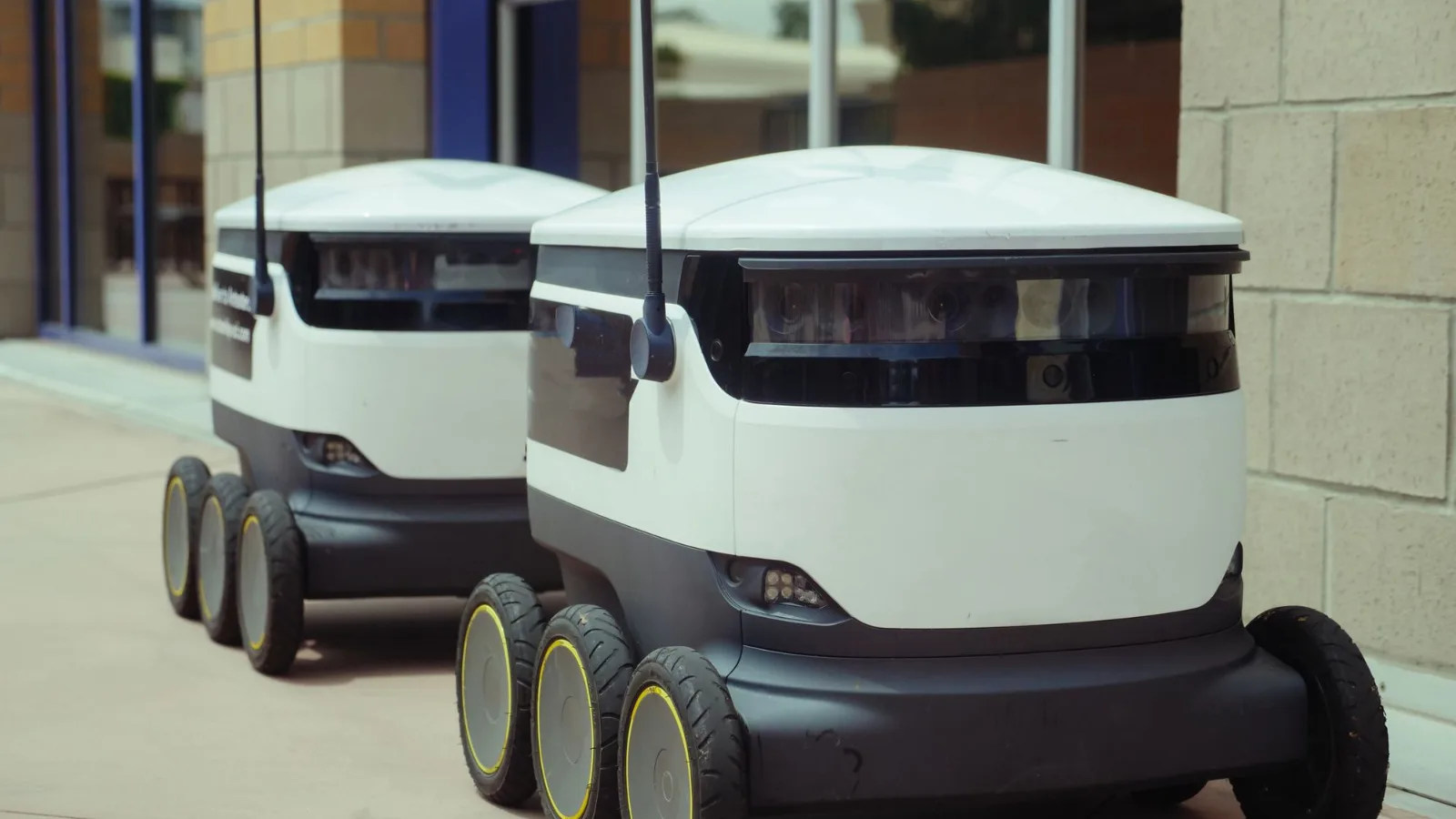
The biggest autonomous delivery robot companies in late 2026 are Starship Technologies, with more than 3,000 sidewalk robots and over 10 million deliveries in eight countries, and Serve Robotics, which has deployed more than 2,000 robots in US cities and works with DoorDash and Uber Eats. Coco Robotics and Avride run smaller sidewalk fleets for food delivery apps in US cities, while Bear Robotics, Keenon and Pudu sell indoor delivery robots that restaurants and hotels can buy for about $10,000 to $30,000.
We ran our own numbers on Serve’s public results to show what one robot earns in a day, because revenue per robot is the figure that decides whether this business can grow. Every company on this list is still operating.
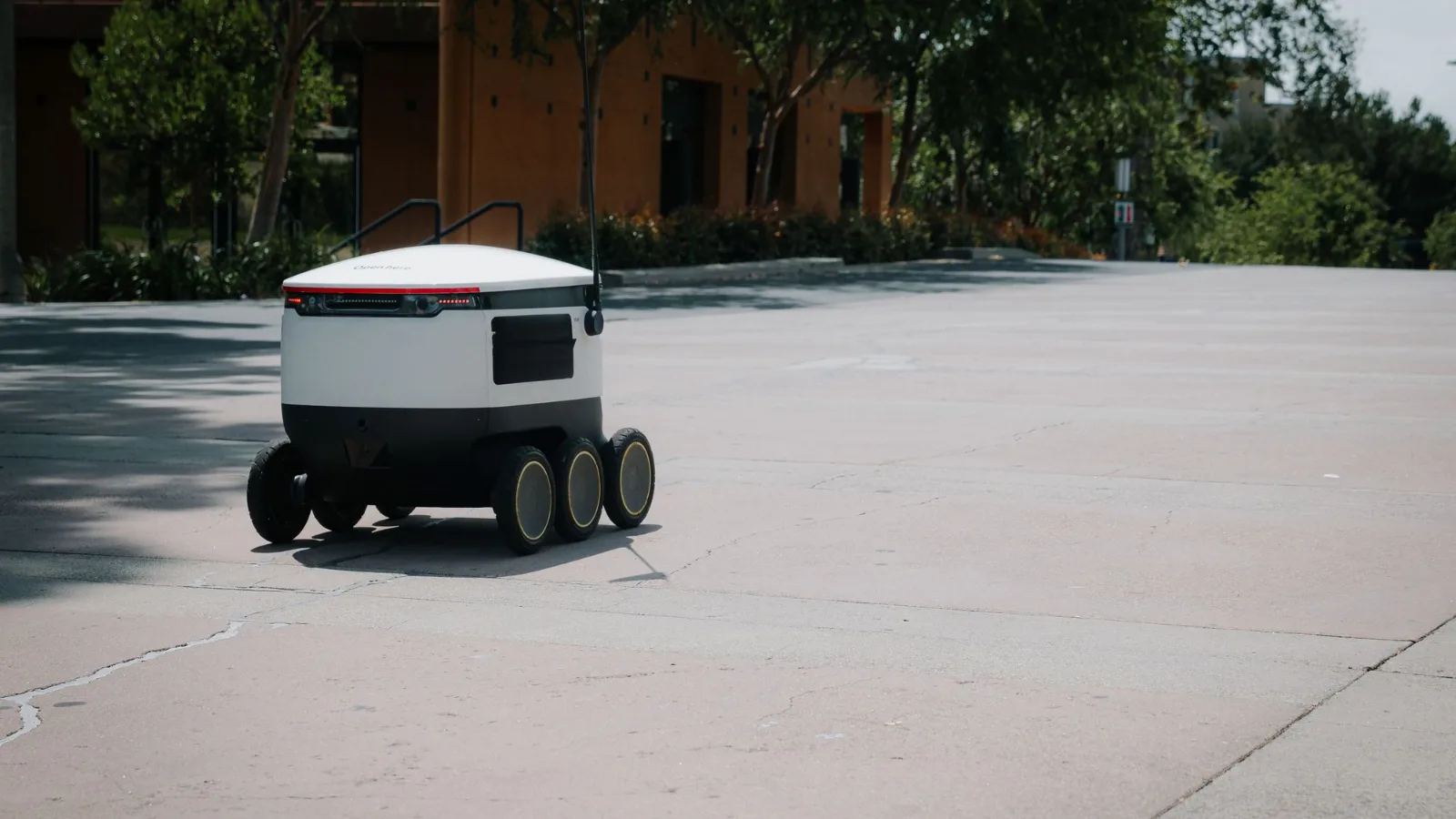
Sidewalk Delivery Robot Companies Compared
| Company | Fleet and reach | Deliveries reported | Delivery partners | Funding or finances | Latest update |
|---|---|---|---|---|---|
| Starship Technologies | 3,000+ robots, 300+ locations, 8 countries | 10 million+ | Uber Eats (Europe from Dec 2025, US from 2027), grocery retailers | $280 million+ raised, including $50 million in Oct 2025 | June 5, 2026 |
| Serve Robotics | 2,000+ robots deployed in the US since 2021; 792 active daily in Q2 2026 | Not disclosed as a total | DoorDash, Uber Eats, NoScrubs Laundry | $240.4 million in cash and securities at June 30, 2026 (listed company) | Aug 6, 2026 |
| Coco Robotics | Los Angeles, Chicago, Miami and Helsinki | 500,000+ (June 2025) | Uber, DoorDash, Wolt | $80 million round in June 2025 | June 13, 2025 |
| Avride | Austin, Dallas and Jersey City | Tens of thousands of meals from 200+ restaurants | Uber Eats (multiyear deal from Feb 2025) | Not part of this release | Aug 22, 2025 |
Starship Technologies: From Campuses to Grocery Streets
Starship is the oldest and largest sidewalk robot operator. Its six-wheeled robots have made more than 10 million deliveries, and the company runs over 3,000 robots in more than 300 locations across eight countries. It raised a $50 million Series C led by Plural in October 2025, taking total funding past $280 million, and said then that it planned to grow the fleet beyond 12,000 robots by 2027.
In June 2026 Starship made a big strategic turn. It announced it will end its US university campus service after the 2026-2027 back-to-school season and move more than 1,200 robots from campuses to grocery retailers in Europe and the US. Grocery already works well for it in Finland, where about one in five grocery deliveries is made by a Starship robot, and the company expects grocery operations to grow tenfold over two years. Starship says its robots cost $3 to $4 less per delivery than traditional courier fulfillment.
Its partnership with Uber Eats started in Leeds, UK, in December 2025, with more European countries planned for 2026 and US expansion in 2027. The robots operate at Level 4 autonomy and handle trips of up to two miles in under 30 minutes.
Serve Robotics: A Public Company Built on Delivery Apps
Serve Robotics is listed on Nasdaq, so it publishes more detail than any rival. It crossed 1,000 deployed robots in the third quarter of 2025, delivered for more than 3,600 restaurants, and operated in Los Angeles, Miami, Dallas and Chicago. By August 2026 it had deployed more than 2,000 robots in the US since 2021.
Its second-quarter 2026 results showed revenue of $3.24 million, up 404% from a year earlier, made up of $2.3 million in fleet services and $0.9 million in software services. Daily active robots averaged 792, slightly down from 812 in the first quarter, and the fleet logged 9,809 supply hours a day. The company cut its full-year 2026 revenue guidance to $9 million to $10 million because Uber Eats volume was lower than expected, while DoorDash revenue grew nearly 50% from the previous quarter. It also added a laundry delivery partner, NoScrubs, and hospital robots through its 2026 acquisition of Diligent Robotics.
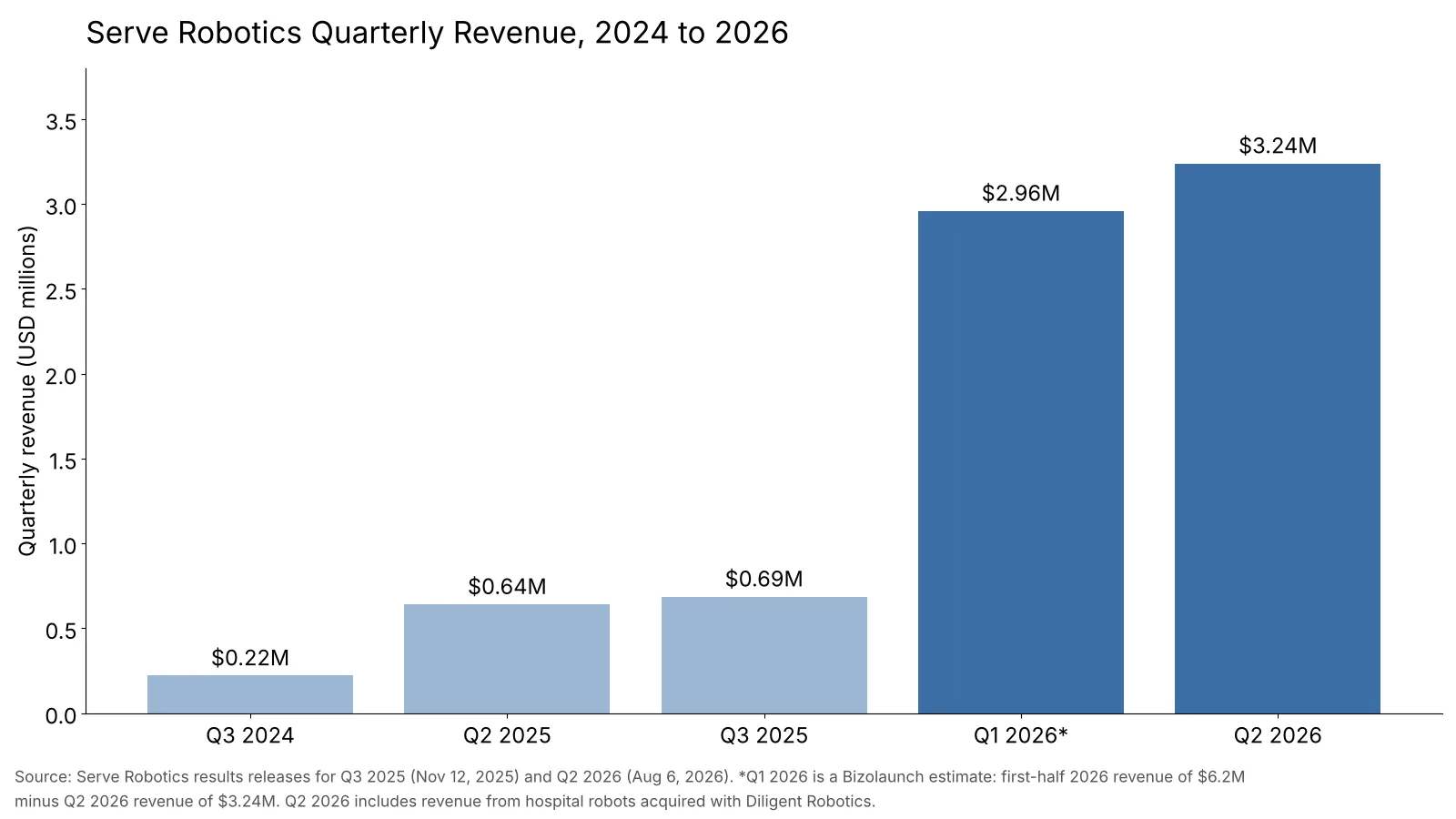
What One Delivery Robot Earns in a Day
Serve’s disclosures let us estimate the revenue each working robot brings in, which no other company in this group publishes. We used three figures from the Q2 2026 release and a 91-day quarter.
| Measure | Calculation | Result |
|---|---|---|
| Total revenue per active robot per day | $3.24 million / (792 robots x 91 days) | About $45 |
| Fleet services revenue per active robot per day | $2.3 million / (792 x 91) | About $32 |
| Revenue per robot supply hour | $3.24 million / (9,809 hours a day x 91 days) | About $3.63 |
| Supply hours per active robot per day | 9,809 / 792 | About 12.4 hours |
| GAAP net loss per active robot per day | $64.1 million / (792 x 91) | About $889 |
The numbers tell a clear story. Each active robot is available for about 12 hours a day but brings in about $3.63 for each of those hours, so the fleet is far from paying for itself yet. The net loss figure includes research, software, corporate costs and the hospital business, so it overstates the loss on the robots alone, but it shows the gap that more deliveries per hour must close. Starship’s claim of a $3 to $4 saving per delivery against couriers points to the same lever: robots win when they are kept busy.
Starship’s own figures give a rough sense of lifetime use. Ten million deliveries divided by its current fleet of about 3,000 robots is about 3,300 deliveries per robot. That is a crude ratio, because older robots have been retired and newer ones have done fewer trips, but it shows how many orders a sidewalk robot can handle over its working life.
Coco Robotics and Avride: App-Driven Fleets in US Cities
Coco Robotics
Coco raised $80 million in June 2025 from investors including Sam and Max Altman, Pelion and Outlander. It operated in Los Angeles, Chicago and Miami, plus Helsinki as its first European city, and reported more than 500,000 deliveries. Its partners include Uber, DoorDash and DoorDash’s international arm, Wolt, and it planned to deploy thousands of robots by the end of 2025. Coco’s model focuses on short trips from restaurants in dense neighborhoods, where a robot can make many deliveries an hour.
Avride
Avride works on both self-driving cars and sidewalk robots. Under a multiyear deal with Uber Eats announced in February 2025, its robots deliver in Austin, Dallas and Jersey City, and had delivered tens of thousands of meals from more than 200 restaurants by August 2025. The robots use cameras and software to cross streets, travel at up to 5 mph and have a range of 31 miles on a charge.
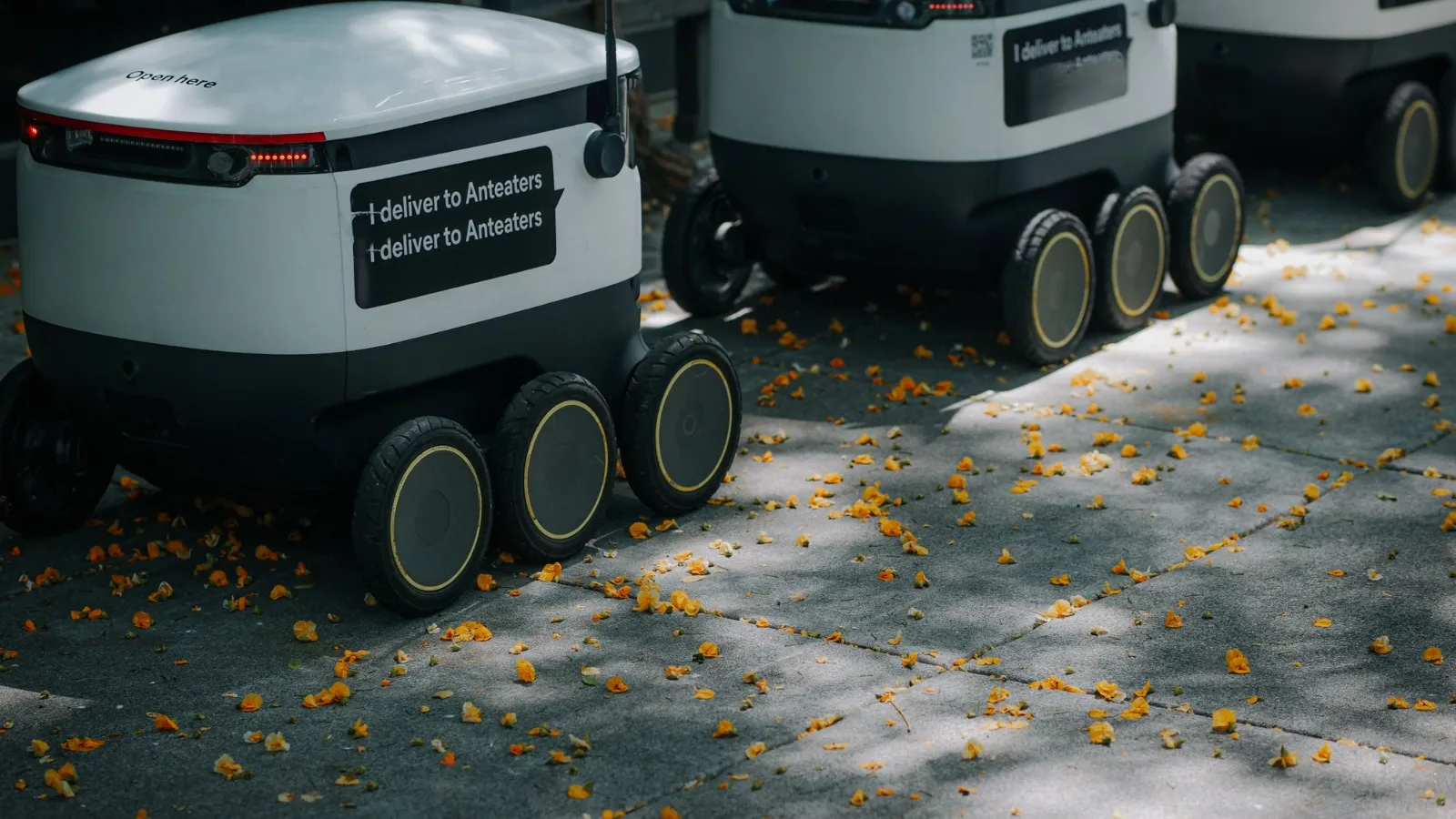
Indoor Delivery Robot Makers and Their Prices
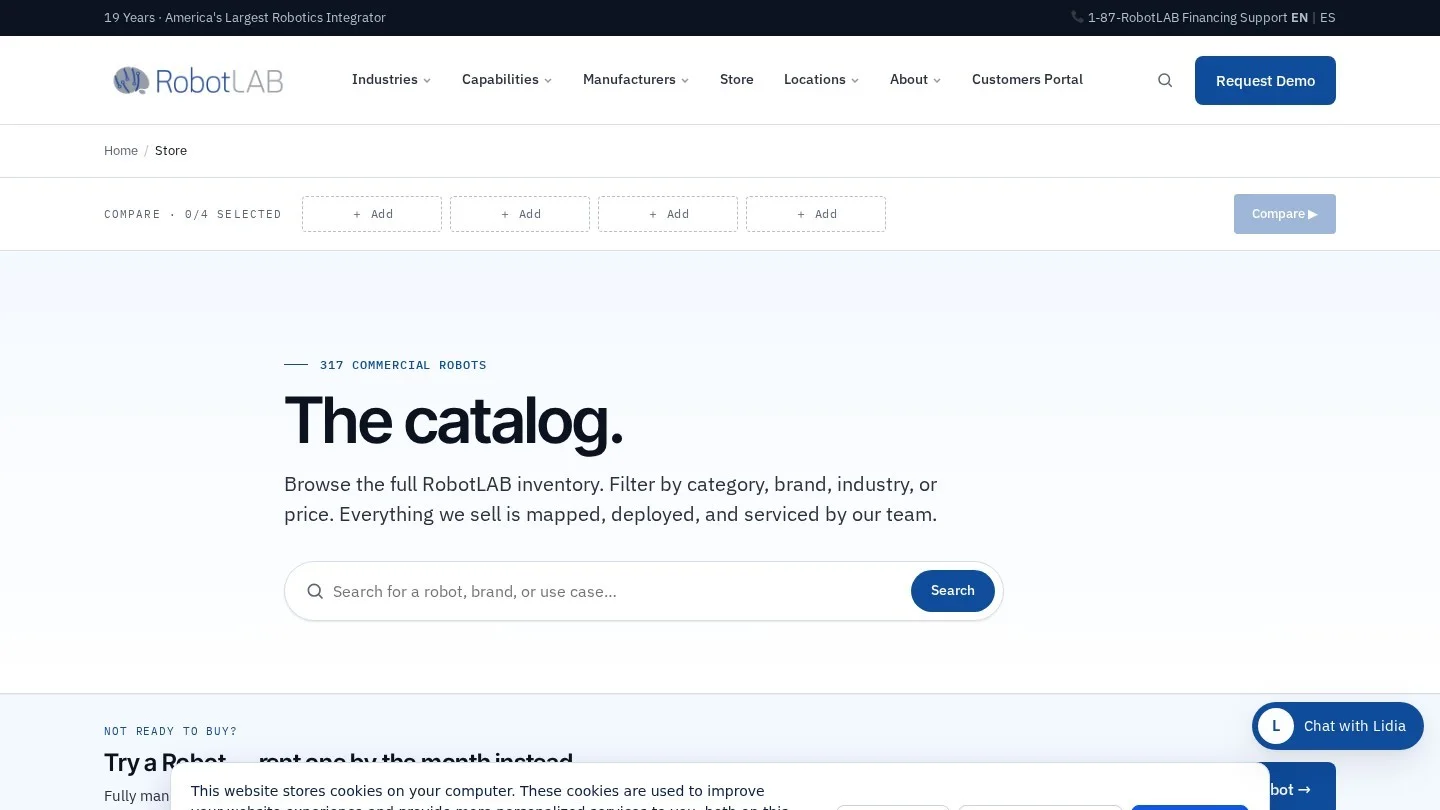
Not all delivery robots work outdoors. Restaurants, hotels, hospitals and factories use indoor robots that carry trays or carts between rooms. Unlike sidewalk fleets, which are run as a service by the operator, these are sold to the business that uses them. US dealer RobotLAB publishes prices for them.
| Robot | Maker | Use | Purchase price | 36-month service plan |
|---|---|---|---|---|
| Servi | Bear Robotics | Food running in restaurants | From $9,990 | $279 a month |
| Servi+ | Bear Robotics | Restaurant delivery | From $13,990 | $479 a month |
| T10 | Keenon | Multi-tray delivery | From $18,400 | $519 a month |
| T300 | Pudu | Industrial delivery, up to 300 kg | $20,990 | $589 a month |
| W3 (ButlerBot) | Keenon | Enclosed, multi-floor delivery for hotels and buildings | From $29,600 | $829 a month |
For a restaurant, the simplest test is to compare the monthly plan with staff time. A $279-a-month Servi costs about the same as 16 hours of work at $17.43 an hour, the May 2023 mean wage for US janitors and cleaners, which we use elsewhere as a service-worker benchmark. Spread over a 30-day month, that is about 32 minutes a day, so if the robot saves a server more than half an hour of walking each day, it covers its cost. Our article on warehouse automation costs applies the same labor-hours test to the T300 in a warehouse.
How Sidewalk Robot Companies Make Money
The business models differ more than the robots do, and the difference matters to anyone partnering with or investing in these companies.
- Per-delivery fees from apps: Serve, Coco and Avride work through Uber Eats and DoorDash, earning fees for the trips their robots complete. Volume depends on how often the app routes orders to robots, which is why Serve cut its 2026 forecast when Uber Eats volume fell short.
- Retail and grocery contracts: Starship is moving toward direct contracts with grocery chains, where robots deliver from a store to nearby homes on a regular schedule.
- Advertising and software: Advertising on Serve’s robots made up nearly half of its food delivery revenue in Q2 2026, and software services brought in $0.9 million in the quarter.
- Equipment sales: Indoor robot makers such as Bear Robotics, Keenon and Pudu sell or rent robots to the businesses that use them, often through dealers.
Choosing a Delivery Robot Partner for a Restaurant or Store
- Check your city first. Sidewalk robots only operate where a company has launched and local rules allow them.
- Use the app you already sell through. If most of your orders come from DoorDash or Uber Eats, ask whether robot delivery is available in your area through that app.
- Match the trip length. Starship’s Uber Eats robots cover up to two miles, and Avride’s robots travel at up to 5 mph, so robots suit short local orders, not suburban runs.
- Plan the handoff. Staff need a clear spot to load robots quickly without blocking the door or sidewalk.
- Measure the cost per order. Compare robot delivery fees and order times with human couriers over a month before committing.
- Consider indoor robots for in-house work. If the real bottleneck is inside the building, a tray robot on a monthly plan may help more than outdoor delivery.
For more on the companies and funding behind this sector, our robotics and automation news page tracks new launches, and our weekly startup funding roundup covers new rounds as they close.
Lessons From the Delivery Robot Market for Founders
The last two years offer clear lessons for anyone building or backing a robot delivery business. Each one comes from a move these companies made in public.
Do Not Depend on One Channel
Serve cut its 2026 revenue forecast when Uber Eats sent fewer orders than expected. At the same time, its DoorDash revenue grew by about half in one quarter. A fleet that runs on one app lives or dies by that app’s routing choices. Spreading volume across several partners lowers that risk.
Follow the Densest Demand
Starship’s exit from US campuses shows that a market can be loyal and still too small. It chose grocery in cities, where one store can send robots to many nearby homes every day. In Finland, about one in five grocery deliveries is now made by a Starship robot, the company says. Busy routes keep robots working, and busy robots are what make the unit economics work.
Add Revenue That Does Not Need More Trips
Serve’s advertising and software lines show that a robot is also a moving screen and a data platform. Those sales add revenue without adding a delivery. Its hospital robot business, bought with Diligent Robotics, also moves the company indoors, where routes are short and controlled.
Offer Robots as a Monthly Service
Indoor robot makers sell through dealers on monthly plans from $279 to $829. That lowers the barrier for a small restaurant or hotel. The same model is common across commercial robotics, as our guide to starting a robot cleaning business shows, and it is spreading to general-purpose machines too, with 1X offering its NEO humanoid for $499 a month, as covered in our humanoid robot cost guide. Readers tracking younger companies in this field can also look at our list of new startups to watch.
Delivery Robot Questions From Business Owners
Which Company Has the Most Delivery Robots?
Starship Technologies, with more than 3,000 robots across eight countries and over 10 million deliveries by June 2026. Serve Robotics has deployed more than 2,000 robots in the US since 2021.
Are Delivery Robots Profitable Yet?
Not at Serve, the only one that publishes full results. It posted a GAAP net loss of $64.1 million in Q2 2026 on revenue of $3.24 million. Starship says its robots cost $3 to $4 less per delivery than couriers, but as a private company it does not publish profit figures.
Why Is Starship Leaving College Campuses?
Starship said in June 2026 that grocery delivery offers the most value for the company and its clients, and that its robots now work reliably in open city streets. It will move more than 1,200 campus robots to grocery retailers after the 2026-2027 school year.
How Much Does a Delivery Robot Cost to Buy?
Sidewalk robots are generally run as a service by their operators rather than sold. Indoor delivery robots are sold through dealers such as RobotLAB, at $9,990 for a Bear Robotics Servi up to $29,600 for a Keenon W3, or $279 to $829 a month.
Which Cities Have Sidewalk Delivery Robots?
Serve operates in Los Angeles, Miami, Dallas and Chicago; Coco in Los Angeles, Chicago and Miami; and Avride in Austin, Dallas and Jersey City. Starship serves grocery and food customers in European cities, with US city expansion planned.
What Does Level 4 Autonomy Mean for a Delivery Robot?
Level 4 means the robot drives itself without a person in control, within a defined area and set conditions. Starship says its Uber Eats robots run at this level and complete trips of up to two miles in under 30 minutes. Because no driver rides along or walks beside the robot, the cost of each trip depends mostly on how many orders a robot completes in a day, which is why Starship ties its claimed $3 to $4 saving per delivery to busy grocery and food routes.
Delivery Robot Filings and Releases We Used
- Starship Technologies: June 2026 grocery delivery release
- Starship Technologies: October 2025 funding release
- Starship and Uber Eats autonomous delivery partnership release
- Serve Robotics: Q2 2026 results
- Serve Robotics: Q3 2025 results
- The Robot Report: Coco’s $80 million round
- NJBIZ: Avride’s Jersey City expansion with Uber Eats
- RobotLAB robot catalog and prices
- BLS: May 2023 wages for janitors and cleaners