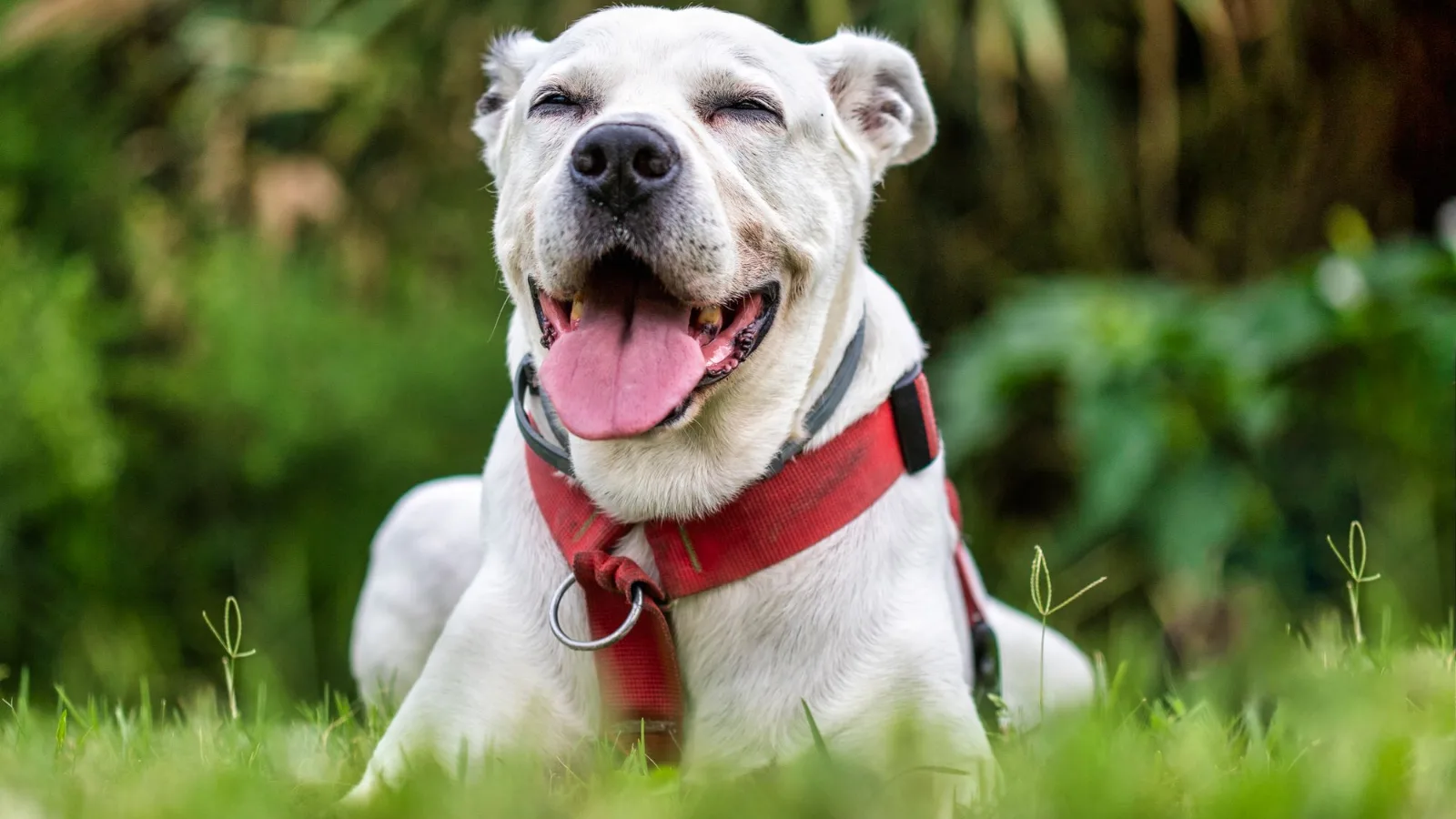
“Pit bull” is a label, not a single breed. It usually means one of three related breeds: the American Pit Bull Terrier, registered by the United Kennel Club (UKC) and the American Dog Breeders Association; the American Staffordshire Terrier, registered by the American Kennel Club (AKC); and the Staffordshire Bull Terrier, the smaller British “Staffy”. Many laws also include any dog that looks like them. These are medium-sized, muscular, people-focused dogs. They need about an hour of exercise a day, a complete diet, early training, and an owner who knows the local rules.
This guide brings together the breed standards, vet and charity advice, and the official rules in three places with very different laws: the UK, Ontario and Denver. We also built a first-year cost table from dated 2026 figures, so you can see what owning one of these dogs costs before you bring one home.

Which Breeds the Name Pit Bull Covers
The three breeds share a bull-and-terrier past, but each club now keeps its own standard. The UKC was the first registry to recognise the American Pit Bull Terrier: its founder, C. Z. Bennett, registered his own dog as UKC number 1 in 1898. The AKC recognised the related breed in 1936 as the Staffordshire Terrier and renamed it the American Staffordshire Terrier in 1969 to tell it apart from the British Staffy.
| Breed | Main registry | Height | Weight |
|---|---|---|---|
| American Pit Bull Terrier | UKC, ADBA | Males 18 to 21 in; females 17 to 20 in | Preferred: males 35 to 60 lb; females 30 to 50 lb |
| American Staffordshire Terrier | AKC | Males about 18 to 19 in; females 17 to 18 in | No weight set in the standard |
| Staffordshire Bull Terrier | The Royal Kennel Club, AKC, UKC | 36 to 41 cm (about 14 to 16 in) | 11 to 17 kg (about 24 to 37 lb) |
Legal definitions are often wider than any breed club’s. Ontario’s Dog Owners’ Liability Act covers pit bull terriers, Staffordshire bull terriers, American Staffordshire terriers, American pit bull terriers, and any dog that looks substantially like them. In the UK, whether a dog is a banned type depends on how it looks, not on its breed or its papers.
Pit Bull Temperament in the Breed Standards
Breed clubs describe these dogs as strong, confident and fond of people. The UKC standard calls aggressive behaviour toward humans “uncharacteristic of the breed and highly undesirable.” Staffies are affectionate, people-focused and high-energy, and many stay boisterous into adulthood.
Some traits need planning. Staffies can be prone to separation anxiety, so they suit homes where someone is around for much of the day. They often have a strong prey drive, so small pets need care. They may not judge their own strength with young children, so play should always be supervised.
On bite risk, pit bull types appear more often in some severe-injury reports, but controlled studies have not found the group disproportionately dangerous. Visual breed identification is often unreliable, and training, neutering, supervision and the setting matter more than looks.
Daily Exercise for a Pit Bull-Type Dog
These are athletic dogs. A Staffy needs at least an hour of exercise every day, split into several walks, plus time to run off-lead in a secure area. Mental work matters as much as miles: puzzle feeders, scent games, tug with rules and short training sessions all help.
- Secure the garden: Staffies are known to dig and to jump fences, so check fence height and the base of the fence before your dog arrives.
- Use a well-fitted harness: a strong, muscular dog that pulls can be hard to hold on a collar alone.
- Watch the heat: pale or fine-coated dogs may need dog-safe sunscreen in warm months.
- Build up slowly: puppies need short, frequent play sessions rather than long runs while their joints are growing.
Feeding a Muscular, Medium-Sized Dog
Most pit bull-type dogs do well on a complete and balanced commercial diet sized for an active medium breed. Weigh the food rather than scooping by eye, count treats as part of the day’s ration, and ask your vet to check body condition at each visit. Extra weight puts more strain on the hips and knees, which are already weak spots in these breeds.
Food is also the biggest yearly cost. Food for an adult dog costs $785 to $2,635 a year in the US. Our guide to the best dog food brands in the USA compares brands on feeding standards, recalls and price per pound. Because many Staffies have sensitive skin, ask your vet before switching diets to manage an itch.
Health Problems Vets See in Pit Bull Breeds
The main health problems in Staffordshire Bull Terriers are hip dysplasia, skin conditions including allergies and demodex mites, certain cancers, some eye conditions, and L-2-hydroxyglutaric aciduria, a metabolic disorder that affects the nervous system. The same groups of problems turn up in the American breeds.
| Condition | Risk in these breeds | What owners can do |
|---|---|---|
| Demodectic mange (demodicosis) | A 2011 US study found it in 20% of American Staffordshire Terriers under two, against 0.58% of dogs overall | See a vet early for hair loss or patchy skin |
| Skin allergies | Common in Staffies; AmStaffs are also predisposed to allergic skin disease | Ask your vet before changing shampoo or diet |
| Cruciate ligament disease | Higher odds in Staffordshire Bull Terriers than in crossbreeds, in a 2015 study of 171,522 dogs in England | Keep your dog lean and avoid sudden twisting play |
| Hip dysplasia | A known problem; breeders should X-ray parents | Ask for both parents’ hip scores |
| L-2-HGA and eye conditions | Known in Staffies; tests are available | Ask the breeder for DNA and eye test results |
Lifespans are fairly long for a dog of this size. Staffies usually live more than 12 years, and a 2024 UK study found an average of 12.5 years for the American Staffordshire Terrier. Insurance can soften the cost of a cruciate repair or long-term skin care; our comparison of the best pet insurance in the USA and our explainer on whether pet insurance is worth it can help you decide.
Training and Socialising Your Pit Bull
Staffies are intelligent and quick to learn, but also strong-willed and keen to test limits. Start reward-based training early and be consistent, firm and fair. Harsh methods tend to backfire with a sensitive, people-focused dog.
- Start socialising in the first weeks at home, with calm meetings with people, vaccinated dogs, traffic and new places.
- Teach a solid recall from puppyhood, using high-value treats, and use a long line until it is reliable.
- Practise loose-lead walking early, before your dog reaches full strength.
- Teach “leave it” and “settle” to manage prey drive around cats and small pets.
- Join a training class if you are a first-time owner.
- Never leave a dog alone with young children, whatever its breed.
Pit Bull Laws in the UK, Ontario and Denver
Breed-specific laws vary from outright bans to permit systems, so check local rules before you adopt, move or travel. These three places show the range.
United Kingdom: Dangerous Dogs Act Banned Types
The UK bans five types: the Pit Bull Terrier, Japanese Tosa, Dogo Argentino, Fila Brasileiro and XL Bully. Whether a dog counts as a banned type depends on what it looks like, not its breed or name. The Staffordshire Bull Terrier is not on the list.
It is against the law to sell, abandon, give away or breed from a banned dog. Owners can keep one only with a Certificate of Exemption, which requires the dog to be neutered, microchipped, kept on a lead and muzzled in public, and kept in a secure place. The owner must be over 16. Having a banned dog without an exemption can lead to an unlimited fine, up to six months in prison, or both. From 1 November 2026, the page adds, owners must not leave a child under 12 in close contact with a banned dog in a private place without adult supervision.
Ontario, Canada: Restricted Pit Bulls Only
Ontario’s ban sits in the Dog Owners’ Liability Act. Owners who had a pit bull before August 29, 2005 could keep it as a “restricted” pit bull, but pit bulls born after 2005 are prohibited and cannot be licensed. Restricted dogs must be spayed or neutered and leashed and muzzled in public, and towns can add their own rules. Toronto Humane Society is among the groups that have called for the breed rule to be dropped.
Denver, Colorado: From Ban to Breed Permit
Denver ended its 30-year ban in 2020, when 66% of voters approved Ballot Measure 2J. Owners of dogs that look like American Pit Bull Terriers, American Staffordshire Terriers or Staffordshire Bull Terriers now need a breed assessment and a permit costing $30 a year. They may keep no more than two per household. After three years with no violations, the dog can be registered like any other. Nearby Commerce City and Lone Tree dropped their bans in 2021, and Aurora voters made the breed legal in 2024.
There is no proof that breed bans cut the rate of bite injuries, and lower bite rates go with firm enforcement of general dog control laws. Rules also apply on the move, so check them when you book trips with your dog, including stays at dog-friendly hotels in national parks.
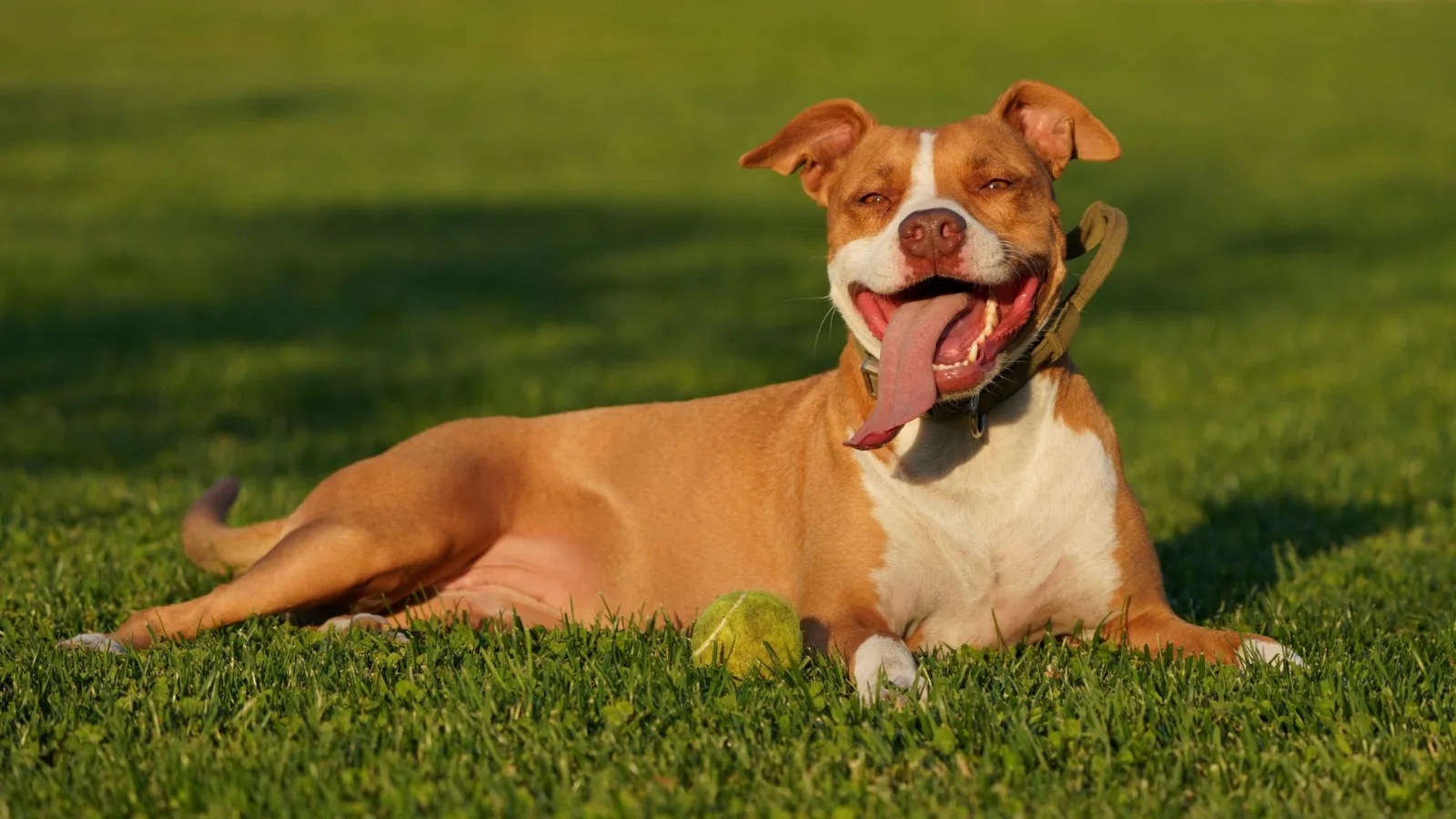
What a Pit Bull Costs in the First Year: Our Budget Table
We built this table from line items in a May 2026 US survey of dog costs. We picked the items a pit bull owner is most likely to need and left out professional grooming, because the Staffy’s short coat is low-maintenance. Dog walking, day care and boarding are also left out, since they depend on your work hours. Totals are our own sums of the low and high figures.
| First-year item (puppy) | Cost range (US, 2026) |
|---|---|
| Adoption fee | $50 to $500 |
| Vaccinations (first year) | $180 to $300 |
| Spay or neuter | $300 to $800 |
| Microchip and ID | $30 to $80 |
| Crate | $45 to $365 |
| Dog bed | $25 to $350 |
| Leash | $10 to $65 |
| Collar and harness | $50 to $150 |
| Toys (starter set) | $20 to $70 |
| Set-up subtotal | $710 to $2,680 |
| Food, first year | $575 to $4,775 |
| Treats | $110 to $530 |
| Vet checkups | $145 to $305 |
| Training sessions | $235 to $385 |
| Pet insurance | $175 to $880 |
| First-year running costs subtotal | $1,240 to $6,875 |
| First-year total | $1,950 to $9,555 |
From the second year, the same method gives $1,485 to $4,740 a year for an adult dog, built from the survey’s adult figures for food, treats, vet checkups, training, insurance and toys. In Denver, add the $30 yearly breed permit. In the UK, a Staffy costs at least £80 a month after set-up, and more than £13,000 over its lifetime.
The wide ranges come mostly from food and insurance. A home-cooked or premium fresh diet sits at the top of the food range, while a mid-priced dry food sits near the bottom.
A Care Checklist for New Pit Bull Owners
Before you bring a pit bull-type dog home, work through these points:
- Check the law: confirm your city, county, landlord and insurer rules, and get any permit before the dog arrives.
- Ask for health results: hip scores and DNA tests for L-2-HGA from a breeder, or the vet history from a rescue.
- Book a vet visit in week one: discuss vaccines, neutering, skin checks and a healthy target weight.
- Microchip and ID tag: keep your contact details current with the chip database.
- Plan an hour of exercise a day: several walks plus safe off-lead running and brain games.
- Choose a complete diet and weigh it: keep your dog lean to protect its joints.
- Enrol in reward-based training: start socialising early and keep it going through adolescence.
- Budget for the first year: about $1,950 to $9,555 in the US on our figures, before walking or boarding.
For breed comparisons, our list of dog breeds that begin with B lists other medium and large breeds with registry details, and our Alsatian breed guide covers another strong working dog with its own care needs.
Breed Standards, Laws and Cost Surveys Used for This Guide
- United Kennel Club: American Pit Bull Terrier Breed Standard
- Wikipedia: American Staffordshire Terrier
- PDSA: Staffordshire Bull Terrier Breed Guide
- Municipality of Chatham-Kent: Pit Bulls
- AVMA: The Role of Breed in Dog Bite Risk and Prevention
- Rover: Cost of Dog Parenthood in 2026
- RVC VetCompass: Canine Cruciate Ligament Disease Study
- GOV.UK: Banned Dogs
- Ontario: Dog Owners’ Liability Act
- Toronto Observer: Pit Bulls Have Been Banned in Ontario for 20 Years (2025)
- The Colorado Sun: Are Pit Bulls Legal to Own in Denver? (2025)