
A sales manager arrives at the airport for a client meeting in Chicago, hands over an older driver’s license and is sent to a separate line to pay a $45 identity fee. Three days later, she submits her expenses and finds that half her receipts are photos of card slips without itemized details. Her employer can reimburse some of them, but not all.
Most business travel checklists stop at “pack a charger.” The costly mistakes are usually about documents, rules and paperwork. This checklist covers those first, with the current numbers, then the packing basics.
The Numbers to Know Before You Go
| Item | Current figure | Source |
|---|---|---|
| TSA fee for travelers without a REAL ID or other accepted ID | $45, covering a 10-day travel window, since February 1, 2026 | TSA ConfirmID |
| IRS business mileage rate from July 1, 2026 | 76 cents a mile, up from 72.5 cents earlier in the year | IRS |
| Federal standard per diem for lodging, fiscal year ending September 30, 2026 | $110 a night | US General Services Administration |
| Federal standard per diem for meals and incidentals | $68 a day, with higher rates up to $92 in costlier areas | US General Services Administration |
| Global business travel spending forecast for 2026 | $1.71 trillion, with $423 billion in the US | Global Business Travel Association |
The federal per diem rates are set for government travelers, but many small businesses use them as a simple, defensible travel budget. GSA publishes rates for each city on its website, and new rates start each October 1.
Two Weeks Before
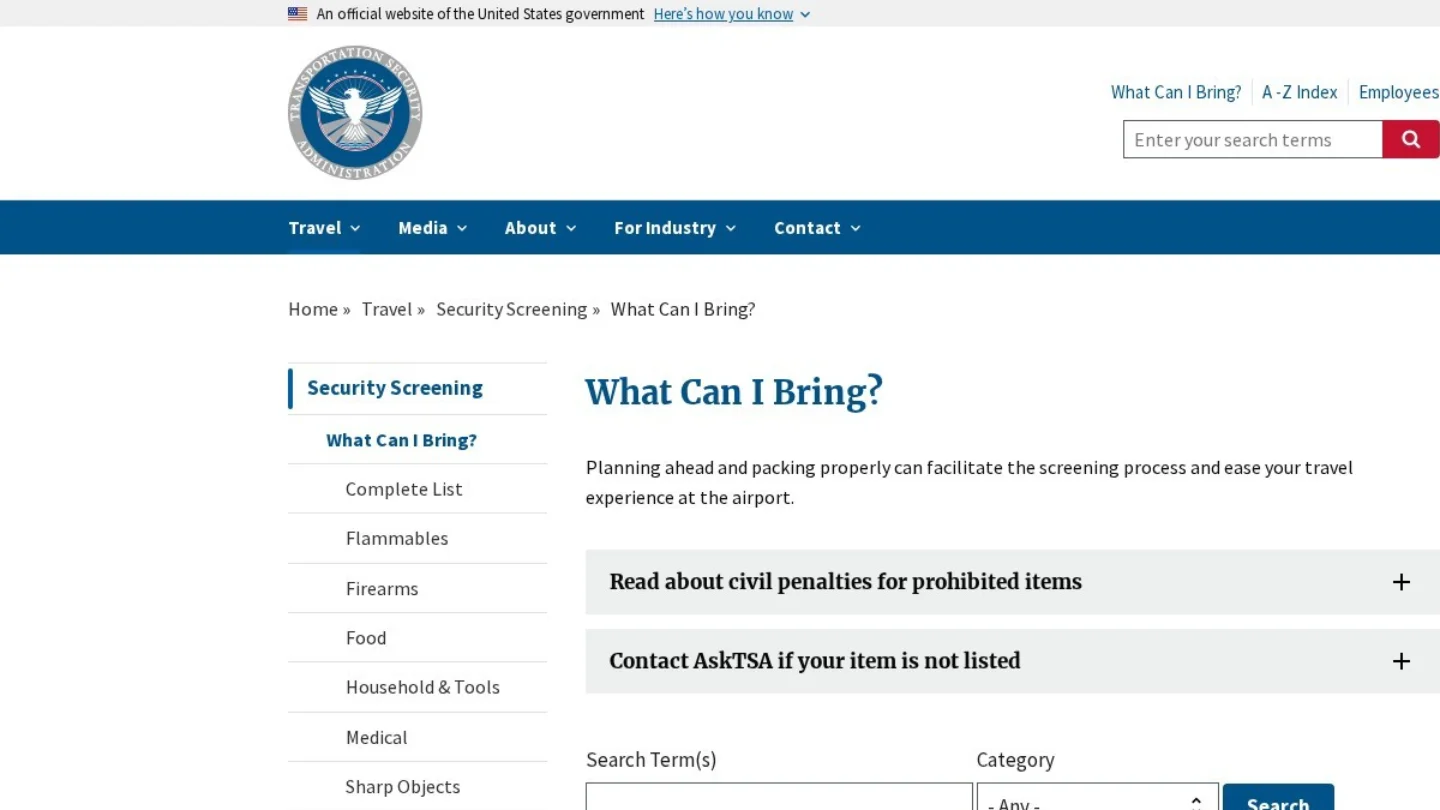
- Check your ID: A REAL ID-compliant license has a star in the top corner. A US passport, passport card or trusted traveler card also works. Without one, budget the $45 ConfirmID fee and extra time at security.
- Check passport validity for international trips: Many countries require six months of validity beyond your travel dates and blank pages for stamps.
- Check entry rules: Some countries need a visa or an electronic travel authorization, such as the UK’s ETA or Canada’s eTA for some travelers. The State Department’s country pages list current rules for US citizens.
- Book under your company’s policy: Note any rules on class of travel, hotel caps and approved booking tools. Use the GSA rate for your destination when your company has no policy.
- Confirm the meeting: Send the agenda, address and parking or entry instructions to everyone attending.
A Sample Trip Budget
An invented three-day, two-night trip from Indianapolis to Chicago, driving a personal car for work.
| Item | Calculation | Amount |
|---|---|---|
| Mileage | About 360 miles round trip × $0.76 | $273.60 |
| Hotel | 2 nights × $230 (Chicago has a higher lodging rate than the standard $110) | $460.00 |
| Meals | 3 days × the Chicago meals and incidentals rate, with first and last days at 75% | Depends on the city rate |
| Parking | 2 nights at the hotel garage | About $100 |
| Client dinner | Business meal, generally 50% deductible | Actual receipt |
Using the IRS mileage rate means you do not track gas, tires or wear on your own car separately. The rate covers them. If you rent a car instead, keep the rental and fuel receipts and skip the mileage rate.
The Paperwork That Gets You Reimbursed
Most employers reimburse through what the IRS calls an accountable plan. Reimbursements under it are not taxable income for the employee, but only if the paperwork meets the rules:
- A business purpose for each expense, written down.
- Substantiation: Receipts for lodging, and for any other expense of $75 or more, showing the amount, date, place and what was bought. Card statements alone usually are not enough for meals.
- Timing: Under the IRS safe harbor rules, expenses are generally substantiated within 60 days, and any excess advance is returned within 120 days.
For business meals with clients, note who attended and what was discussed. Business owners can generally deduct 50% of qualifying business meals, and the attendee note is what an auditor looks for.
Dig deeper: Snap a photo of each itemized receipt into your expense app the moment you get it, before it goes into a pocket. Apps such as Expensify, Ramp, Brex, Navan and QuickBooks read the receipt and fill in the fields automatically.

Packing for a Work Trip
Carry-On Essentials
- ID, passport if needed and corporate card
- Laptop, charger and a power bank: Lithium power banks must go in carry-on bags, not checked luggage, under FAA rules.
- Liquids in a quart-size bag: TSA’s 3-1-1 rule allows containers of 3.4 ounces (100 ml) or less, all in one quart-size bag per passenger.
- Medications in original containers, plus any prescriptions for international trips
- One meeting outfit: If checked bags get delayed, you can still show up ready.
Tech and Work
- Presentation saved locally and in the cloud, plus a PDF copy
- Universal travel adapter for international trips
- Headphones with a microphone for calls
- A privacy screen filter if you work on planes or in cafes
- Company VPN set up and tested before you leave
Clothing
- Wrinkle-resistant shirts and a blazer that works with more than one outfit
- Comfortable shoes that still look professional
- A layer for cold meeting rooms and planes
Security on the Road
- Avoid public Wi-Fi for sensitive work unless you use the company VPN. A phone hotspot is usually safer.
- Turn on device encryption and a lock screen on your laptop and phone.
- Avoid public USB charging stations. The FBI and FCC have warned about “juice jacking,” where criminals load malware through public ports. Use your own charger and a wall socket.
- For high-risk destinations, ask your IT team about a loaner laptop and phone with limited data.
After the Trip
- Submit expenses within a week, while details are fresh, and well within the 60-day window.
- Send meeting notes and next steps to clients within 24 hours.
- Record mileage in a log with dates, destinations and purpose.
- Note what worked, such as hotels close to the client, for the next trip.
Frequently Asked Questions
Can I still fly without a REAL ID?
Yes, if you have another accepted ID such as a passport. If you have no accepted ID, TSA’s ConfirmID process lets you pay a $45 fee to verify your identity, covering a 10-day window, but expect extra time at security.
What is a per diem?
A per diem is a fixed daily allowance for lodging, meals and incidental expenses. Many employers use the GSA rates, so employees do not need to submit every meal receipt as long as they stay within the daily amount.
Can I deduct business travel if I am self-employed?
Generally yes, for ordinary and necessary travel away from your tax home for business. Transportation, lodging and 50% of business meals are typically deductible. Keep receipts and notes on the business purpose.
Is commuting to my regular office deductible?
No. Regular commuting between home and your main workplace is a personal expense. Travel from your main workplace to a client site or temporary work location usually counts as business travel.