
The simplest way to budget with two sources of income is to build your monthly budget on the steadier income alone, then give the second income a fixed job, such as savings, debt payoff or a specific goal. That way, your bills never depend on money that might change, and every extra dollar still has a plan.
This guide covers three methods, a full worked example and the step most people miss: setting aside tax on side income that has no tax taken out. It works whether your two incomes are a job and a side business, two part-time jobs, or two partners’ paychecks.
Why Two Incomes Make Budgeting Harder
Two incomes sound like more breathing room, and they are. But they create three problems a single paycheck does not:
- Different pay dates. One check may arrive weekly and the other monthly, so cash comes in unevenly.
- Different reliability. A salary is steady, while freelance or commission pay can swing a lot.
- Different tax treatment. An employer withholds tax from a paycheck, but side income often has nothing withheld.
A good two-income budget handles all three.
Three Ways to Budget With Two Sources of Income
Each method fits a different situation:
| Method | How it works | Works best when |
|---|---|---|
| Base income method | Budget all bills on the steady income; the second income funds goals | One income is steady and the other varies |
| Pooled method | Add both incomes together and budget the total | Both incomes are steady and similar |
| Percentage method | Split each income by fixed percentages across needs, goals and fun | Both incomes vary from month to month |
Our take: the base income method is the safest for most people. If the second income disappears for a month, your rent and groceries are still covered.
Worked Example: A $4,200 Paycheck Plus Side Income
Say your main job pays $4,200 a month after tax, and your side business brings in between $600 and $1,800 a month, about $1,200 on average.
Step 1: Budget Bills on the $4,200 Alone
| Category | Monthly amount |
|---|---|
| Rent | $1,500 |
| Utilities and internet | $220 |
| Phone | $70 |
| Groceries | $500 |
| Transportation | $350 |
| Insurance | $180 |
| Minimum debt payments | $300 |
| Household and personal | $250 |
| Emergency fund | $300 |
| Sinking funds | $250 |
| Fun money | $280 |
| Total | $4,200 |
Everything needed to live is covered by the steady paycheck.
Step 2: Give the Side Income Fixed Jobs
Next, decide where every side-income dollar goes, by percentage:
| Job for side income | Share | On a $1,200 month | On a $600 month | On a $1,800 month |
|---|---|---|---|---|
| Tax set-aside | 25% | $300 | $150 | $450 |
| Extra debt payoff | 35% | $420 | $210 | $630 |
| Big goal (house, car, travel) | 25% | $300 | $150 | $450 |
| Business costs and reinvestment | 15% | $180 | $90 | $270 |
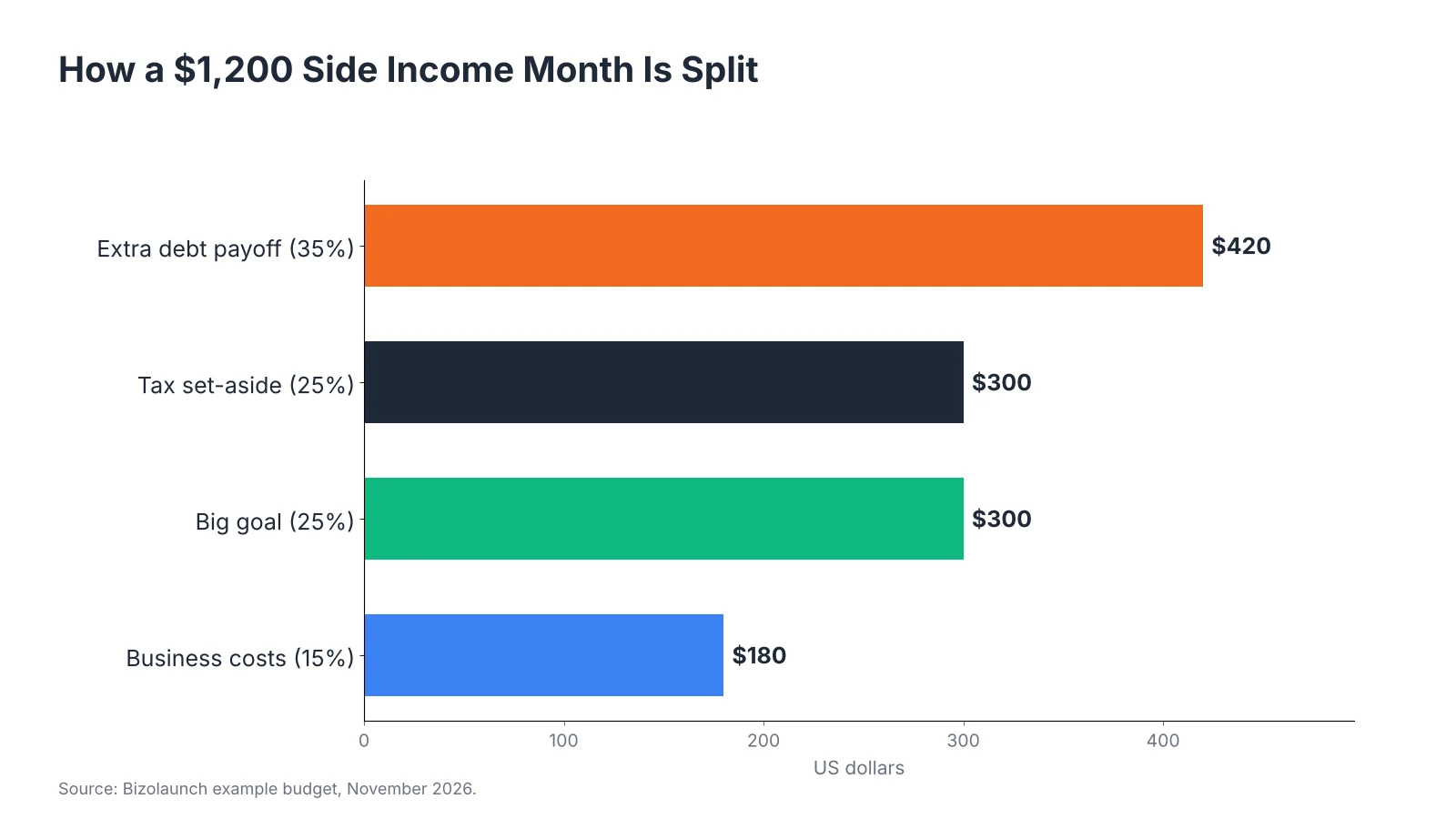
Our take: using percentages for the second income means you never have to redo the budget when it changes. A slow month shrinks every line a little. A great month grows every line, including the tax line.
Don’t Forget Tax on Side Income
This is the step that catches most people with two incomes. Your employer withholds tax from your paycheck, but side income from freelancing or a small business usually has no tax taken out.
In the United States, self-employment income is also subject to self-employment tax, which covers Social Security and Medicare, on top of income tax. The IRS generally expects people to pay estimated tax during the year if they expect to owe $1,000 or more when they file.
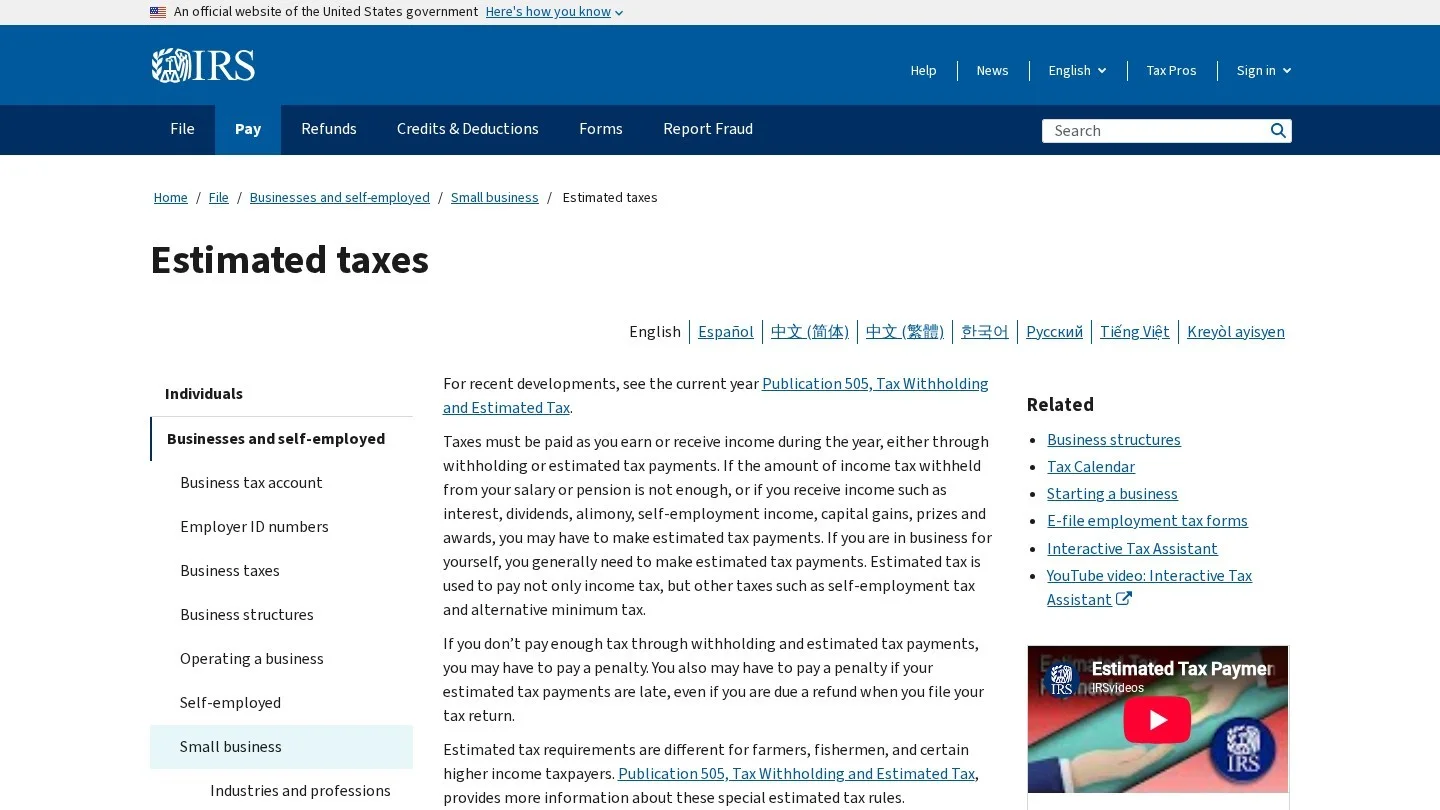
That is why our example sets aside 25% of side income. Keep the tax money in a separate savings account so you are not tempted to spend it. Your real rate depends on your total income and deductions, so check with a tax professional once a year.
How to Handle Different Pay Dates
When two incomes land on different days, use a one-month buffer:
- Save one month of bills. Build up a balance equal to one month of your base budget.
- Pay this month’s bills with last month’s income. Your budget starts each month already funded.
- Refill the buffer as income arrives. Both paychecks go into the buffer account first.
Once the buffer is in place, pay dates stop mattering. You always know the full month’s money is already there.
Budgeting Two Partners’ Incomes
When two partners earn different amounts, many couples split shared bills by income share instead of 50/50. For example, if one partner earns 60% of the household income, they cover 60% of shared costs. Our guide on how to split household expenses on unequal incomes walks through the options in detail.
Mistakes to Avoid With Two Incomes
These mistakes come up most often:
- Budgeting the best month. Use your average or lowest normal month for the second income, not your peak.
- Spending tax money. Move the tax share out on the day the income arrives.
- Lifestyle creep. A second income often disappears into small upgrades unless each dollar has a job.
- No sinking funds. Irregular bills should come from planned funds, not the second income. See our sinking funds examples to set them up.
Two Sources of Income: Questions People Ask
How do I budget with two incomes?
Build your budget for bills on the steadier income, then assign the second income to fixed goals by percentage, such as tax, debt payoff and savings.
Should I combine two incomes in one budget?
You can if both incomes are steady. If one varies, keep bills on the steady income and treat the other as goal money.
How much should I save from side income for taxes?
Many people set aside 25% to 30% of side income. Your real rate depends on your total income and deductions, so confirm it with a tax professional.
Do I need to pay estimated taxes on side income?
In the US, the IRS generally expects estimated tax payments if you expect to owe $1,000 or more in tax when you file.