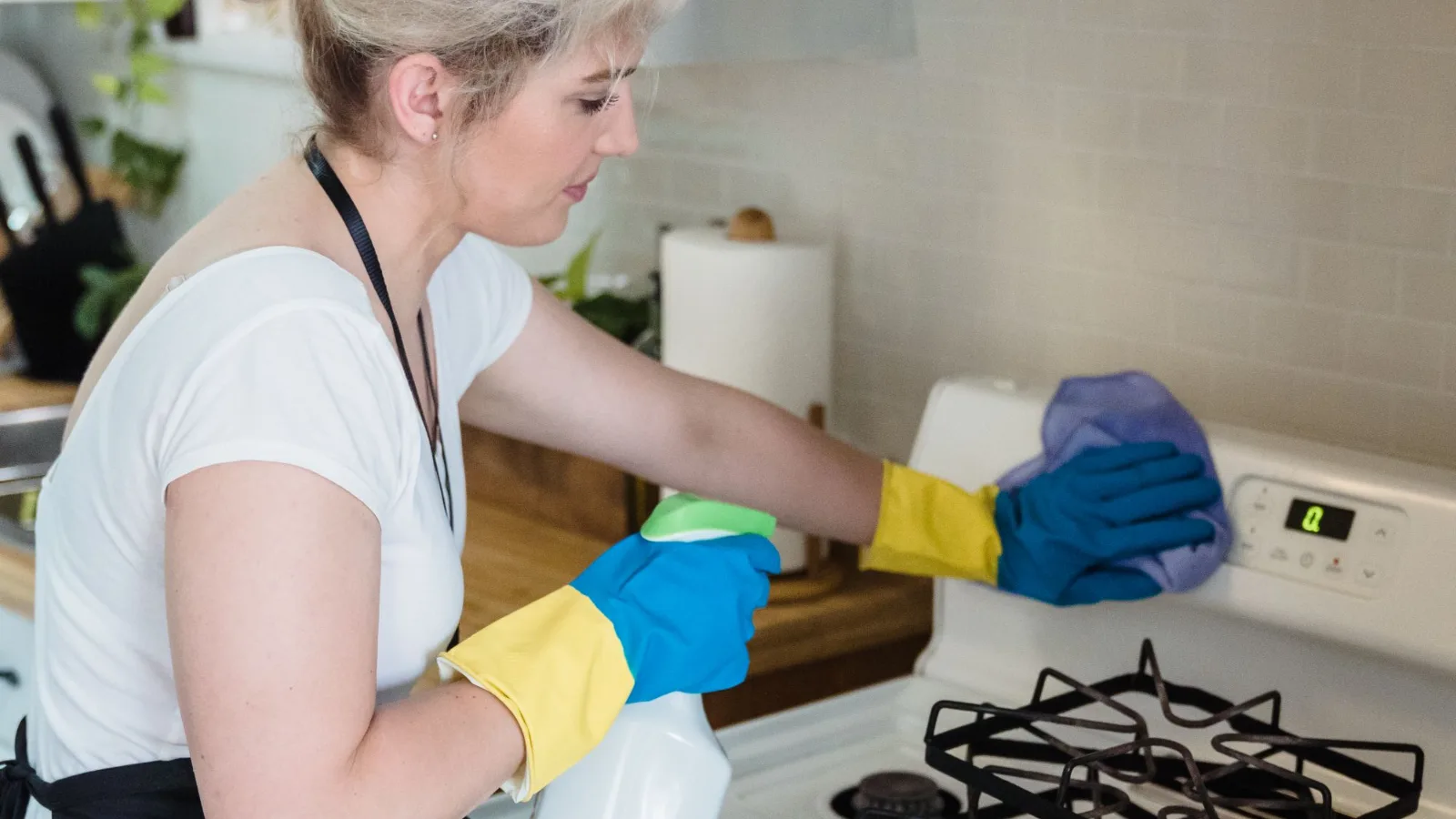
A self-employed cleaner in England can be trading legally within days. There is no cleaning licence to apply for, and the paperwork that matters costs little: a £20 basic DBS check, free registration with HMRC if you go solo, or £100 to form a limited company online. The harder part is everything around it, from how you handle chemicals to what you charge per hour and where your first regular clients come from.
The eight steps below follow the order most new cleaning businesses meet them in. Fees come from GOV.UK and Companies House, and the hourly rates come from current UK price guides.
No Licence Needed, but HMRC, DBS and Waste Carrier Rules Apply
- You do not need a licence to clean homes or offices in the UK. You do need to register with HMRC, and a waste carrier licence becomes necessary if you take clients’ rubbish away in your vehicle.
- Forming a private limited company costs £100 online or £124 on paper at Companies House, plus £50 a year for the confirmation statement filed online.
- A basic DBS check for a job in England or Wales costs £20 and usually takes up to 3 days to process.
- Domestic cleaning averages about £19 an hour nationally, with £20 to £28 typical in London and the South East, according to Fantastic Services’ 2026 price guide.
- VAT registration only applies once taxable turnover passes £90,000. A solo cleaner at £20 an hour would need about 98 billable hours a week, all year, to reach it.
Step 1: Pick Your Corner of the Cleaning Market
“Cleaning business” covers very different jobs, and the one you choose decides your hours, your equipment and who you sell to. Most new owners start in one of four areas.
- Regular domestic cleaning: Weekly or fortnightly visits to the same homes. Income is steady and the kit is cheap, but you need a full diary of reliable clients to make a living.
- End-of-tenancy cleaning: One-off deep cleans when tenants move out, often booked through letting agents. Jobs are bigger and pay more, but the work is heavy, deadlines are tight and landlords check the results against the inventory.
- Commercial and office cleaning: Early morning or evening contracts for offices, shops and surgeries. Contracts can run for years, but buyers expect written risk assessments, insurance certificates and sometimes staff vetting.
- Specialist services: Carpet, oven, window or after-builders cleaning. These need extra equipment and training, so most people add them once the core business is running.
If you are working alone, regular domestic cleaning is usually the easiest place to start. You can book clients around your own schedule and every new client adds predictable weekly income.
Step 2: Register as a Sole Trader or Set Up a Limited Company
Every new cleaning business needs a legal structure, and for most solo cleaners the choice is between being a sole trader and forming a limited company.
As a sole trader, you register with HMRC as self-employed and file a Self Assessment tax return each year. There is no fee. You and the business are legally the same, so you keep all the profit after tax but you are personally responsible for any debts. Most people who clean on their own start this way because it is simple and cheap to run.
A private limited company is a separate legal entity. The company signs contracts, holds the bank account and pays corporation tax on its profits, and you take money out as salary or dividends. Your personal assets are mostly protected if the business fails. The costs are higher and the admin is heavier. According to the Companies House fees guidance, updated in September 2026, incorporation costs £100 online or through software and £124 by paper, and the annual confirmation statement costs £50 online or £110 on paper.
| Point | Sole trader | Limited company |
|---|---|---|
| Setup cost | Free registration with HMRC | £100 online, £124 by paper |
| Yearly filing | Self Assessment return | Accounts, corporation tax return, £50 confirmation statement online |
| Liability | Personal | Mostly limited to the company |
| Best for | Solo cleaners testing the market | Teams, commercial contracts, higher profits |
Some commercial clients prefer to contract with a limited company, so if offices are your target market, the extra admin can pay for itself. For bookkeeping either way, our guide to accounting software for sole traders compares tools that handle invoices, expenses and tax returns. If you still need a trading name, try the business name generator, then check the name is free at Companies House.
Step 3: Buy Public Liability Insurance Before You Hold a Single Key
Public liability insurance pays out if a client, or a member of the public, claims against you for injury or damage. Picture knocking a television off a wall unit while dusting, or a client slipping on a floor you have just mopped. For a cleaner who works inside other people’s homes, it is the one policy you should not start without, even though no law forces a sole trader to buy it.
Two other covers matter too. Employers’ liability insurance is a legal requirement once you employ staff, with limited exceptions. And because you will hold clients’ keys, ask your insurer about key cover, which pays to replace locks if a set of keys is lost or stolen. If you carry kit between jobs in a car, check that your motor policy covers business use.

Step 4: Get a Basic DBS Check to Show Clients They Can Trust You
Clients are letting a stranger into their home, often while they are out, and a criminal record certificate is the quickest way to answer the question they are too polite to ask.
A basic DBS check is the entry-level criminal record certificate. According to GOV.UK, it costs £20, you must be 16 or over to apply, and applications usually take up to 3 days to process before a paper certificate is posted out. It covers work in England and Wales. For work in Scotland, apply through the mygov.scot basic disclosure service, and for Northern Ireland use AccessNI.
Basic checks are not a legal requirement for domestic cleaning, but many clients and agencies ask for one, and some commercial contracts insist on them for every cleaner on site. Mention the check on your website and leaflets. Once you hire, put the same check into your recruitment process, and keep a record of when each certificate was issued.
Step 5: Learn COSHH Before You Mix Your First Bucket
COSHH stands for the Control of Substances Hazardous to Health Regulations 2002. It is the law that covers how employers handle hazardous substances, and cleaning chemicals are a large part of what it covers. Bleach, descalers, oven cleaners and strong degreasers can burn skin, damage eyes and give off harmful fumes.
In practice, COSHH comes down to a few daily habits that any careful cleaner can build. Keep the safety data sheet for every product you use. Write a short assessment for each one that records the hazard, how you use it and the protection you wear. Store products in their original containers, and never mix one product with another. Bleach mixed with acid-based toilet cleaners or ammonia-based products can release toxic gas. Wear gloves and, where the label says so, eye protection.
Once you take on staff, COSHH assessments become part of your duty as an employer, and you must train each cleaner on them. Commercial clients will often ask to see your COSHH file before you start, so having one ready gives a small firm a professional edge.
Step 6: Check Whether You Need a Waste Carrier Licence
This is the rule that new cleaners most often miss, because few people think of themselves as waste carriers. If you transport waste in your vehicle as part of your business, you must register as a waste carrier. In England, the GOV.UK registration page says registration is usually free if you only carry waste you produce yourself. If you carry other people’s waste, it costs £191.02, upper tier registrations must be renewed every three years for £130.25, and trading without registering can lead to an unlimited fine.
What does that mean for a cleaner? If you leave rubbish in the client’s own bins, you are not transporting it. If you load bags of rubbish left behind by a tenant into your car and take them to the tip, you are carrying someone else’s waste and need the paid registration. End-of-tenancy and after-builders cleaners hit this most often. Used cloths and empty bottles from your own work generally count as your own waste.
Rules differ slightly across the UK. In Wales, register with Natural Resources Wales. In Northern Ireland, carrier registration is handled by DAERA. In Scotland, it sits with the Scottish Environment Protection Agency (SEPA).
Step 7: Set an Hourly Rate, Then Quote by the Job
Most UK domestic cleaners still price by the hour, and clients compare on that number. The Fantastic Services 2026 price guide puts the national average at about £19 an hour, or about £57 for a typical three-hour visit. Rates vary sharply by region, with London and the South East well ahead of the rest of the country.
| Regular cleaning | Rest of UK | London and South East |
|---|---|---|
| Hourly rate | £13 to £25 | £20 to £28 |
| Weekly visit (about 3 hours) | £45 to £75 | £60 to £100 |
| Fortnightly visit (about 3 hours) | £50 to £80 | £65 to £105 |
| One-off clean | £60 to £120 | £90 to £160 |
Independent cleaners often charge near the top of those ranges. Simply Business, citing Checkatrade, gives £25 as the average hourly rate for independent cleaners in 2025, and suggests self-employed cleaners can expect to earn £20,000 to £30,000 a year.
Take a sole trader who charges £20 an hour and fills 25 billable hours a week, leaving time for travel, admin and the odd cancellation. Over 46 working weeks, that comes to £23,000 before costs and tax. Products, fuel, insurance and phone bills come out of that figure, so track them from the start. The hourly rate calculator works backwards from the income you want to the rate you need to charge.
When VAT Becomes Your Problem
You must register for VAT once your taxable turnover goes over £90,000, or if you expect it to, according to GOV.UK’s VAT thresholds page. You can ask to deregister if turnover falls below £88,000.
For a solo cleaner working alone, that line is a long way off. At £20 an hour you would need 4,500 billable hours a year, or about 98 a week across 46 weeks. Even at a London rate of £28, it is about 70 hours a week. The threshold really matters once you have a team. At that point, adding 20% VAT to a domestic client’s bill is a real price rise, so plan your pricing well before you get close.
Quote Bigger Jobs as a Fixed Price
Hourly pricing suits regular cleans. For end-of-tenancy, deep cleans and offices, quote a fixed price after you have seen the property or a full set of photos. Estimate the hours, multiply by your rate, then add the cost of any extra products or equipment. A fixed quote protects you if a job takes longer, and clients prefer knowing the total.
Step 8: Fill Your Diary With the First Ten Regular Clients
Ten clients booked for three hours a week gives you 30 hours of steady work, which is close to full time for a solo cleaner. Getting there is mostly about building trust in a small local area.
- Neighbourhood groups and noticeboards: Local Facebook groups, Nextdoor and shop noticeboards are where many households look for a cleaner. Post a short, friendly introduction with your DBS check and insurance mentioned.
- Leaflets in a tight area: Pick a few streets with similar homes and deliver to them repeatedly. A tight patch also cuts your travel time between jobs.
- Letting agents: They need end-of-tenancy cleans on short notice and remember the cleaner who turns up on time. Ask what their inventory clerks check, and clean to that list.
- Trade directories: Sites such as Checkatrade let clients find vetted trades and read reviews, which helps a new business that has no word-of-mouth yet.
- Referrals: Ask every happy client to pass your name on. A small discount on their next clean is a cheap reward for a new regular.
When you call letting agents or small offices, a short, practiced pitch helps. Our sales call script examples show how to open the conversation and ask for a trial clean. Send a clear invoice after every job with our free invoice generator, and keep payment terms short so cash comes in weekly.
Hourly Rates, DBS Checks and the VAT Threshold for Cleaners
Do I Need a Licence to Start a Cleaning Business in the UK?
No general cleaning licence exists. You need to register with HMRC as a sole trader or form a limited company, and you need a waste carrier registration if you transport clients’ waste. Public liability insurance and a DBS check are not legally required for sole traders, but most clients expect both.
How Much Do Self-Employed Cleaners Charge per Hour in the UK?
Fantastic Services’ 2026 guide puts the national average at about £19 an hour, with £13 to £25 typical outside London and £20 to £28 in London and the South East. Simply Business, citing Checkatrade, gives £25 an hour as the 2025 average for independent cleaners.
Do Cleaners Need to Be DBS Checked?
It is not a legal requirement for most domestic cleaning, but many clients, agencies and commercial contracts ask for it. A basic DBS check for work in England or Wales costs £20 on GOV.UK.
Do I Have to Register for VAT as a Cleaner?
Only once your taxable turnover goes over £90,000, or you expect it to. Most solo cleaners stay well below this, but a growing team can reach it.
How Much Can a Self-Employed Cleaner Earn in the UK?
Simply Business, citing Checkatrade, says self-employed cleaners can expect £20,000 to £30,000 a year. Your result depends on your rate, how many hours you fill and your costs.
Companies House Fees, DBS Checks and Waste Carrier Registration
- GOV.UK: Companies House Fees (updated September 2026)
- GOV.UK: Request a Basic DBS Check
- GOV.UK: Register or Renew as a Waste Carrier, Broker or Dealer (England)
- Natural Resources Wales: Register as a Waste Carrier, Broker or Dealer
- DAERA: Registration of Carrier Guidance
- GOV.UK: VAT Thresholds
- Fantastic Services: Regular Cleaning Cost Guide (2026)
- Simply Business: How to Start a Cleaning Business in the UK (2025)