
For most homes, the best smart home energy management system is a clip-on circuit monitor such as the Emporia Vue 3, which lists at $199.99 with 16 circuit sensors and can also schedule an Emporia EV charger or battery. Sense ($299) is the better pick if you want the app to name your appliances for you, and IoTaWatt ($389) suits people who want their data stored at home rather than in the cloud. Smart panels from SPAN ($2,550 to $4,100 before installation) and Lumin go further: they can switch circuits off, which matters most if you have solar, a home battery or an EV.
Those are very different price levels, so we did the math on what each one has to save to pay for itself. On an average US electricity bill, a monitor that helps you cut 5% pays back in two to four years. A smart panel takes more than 20 years on savings alone, so it only makes sense when it does a second job, such as avoiding a service upgrade or running backup power.

Smart Home Energy Management Systems Compared on Price and Control
We compared six systems sold in the US on what a buyer can check before paying: the published price, how many circuits each one watches, whether it can switch loads off, how it is installed and where the data lives. Prices come from each maker’s own store or support pages. Lumin does not publish a price, so we used a third-party retail range and marked it.
| System | Type | Published price | Circuits watched | Can switch loads off | Data storage |
|---|---|---|---|---|---|
| Emporia Vue 3 | Clip-on monitor | $199.99 with 16 sensors | Up to 16 branch circuits plus mains | Through Emporia chargers, plugs and batteries | Cloud; needs internet |
| Sense | Clip-on monitor | $299 | Whole home; finds devices by their electrical signature | No | Cloud |
| Sense Flex | Clip-on monitor plus extra sensors | $349 | Whole home plus dedicated circuits or solar | No | Cloud |
| IoTaWatt | Clip-on monitor | $389 base (shown as out of stock) | Up to 14 inputs | No | On the device, up to 15 years |
| Lumin Smart Panel | Add-on control panel | Quote-based; about $2,100 to $2,900 retail | Up to 12 controlled circuits | Yes | App, with local control if Wi-Fi drops |
| SPAN Panel | Replacement main panel | $2,550 to $4,100 MSRP before installation | Every circuit in the panel (16 to 48 spaces) | Yes | App |
The split is clear once it is laid out. The first four tell you where electricity goes. The last two can also act on it, which is what the “management” part of the name really means.
Monitor, Smart Panel or Both: How the Two Kinds Work
A clip-on monitor sits inside your existing breaker panel. Current transformers, small clamps that go around wires, measure the flow on the main feeds and on chosen circuits. The data goes to an app over Wi-Fi. Nothing about your wiring changes, so a confident DIYer can fit one, though most makers advise an electrician because the panel is live.
A smart panel puts a relay on each circuit, so the app can turn that circuit on or off. SPAN replaces the main panel outright. Lumin mounts beside your existing panel and takes over up to 12 heavy circuits. Both need a licensed electrician, and SPAN requires an installer trained and authorized by the company.
Being able to switch loads is useful in three cases. During a power cut, a home battery lasts longer if the panel sheds the pool pump and the second fridge. On a time-of-use tariff, it can hold off the water heater or EV charger until cheap hours. And if your home is short on electrical capacity, it can stop the EV charger and the dryer from drawing power at the same moment.
Emporia Vue 3 for Circuit-Level Detail on a Budget
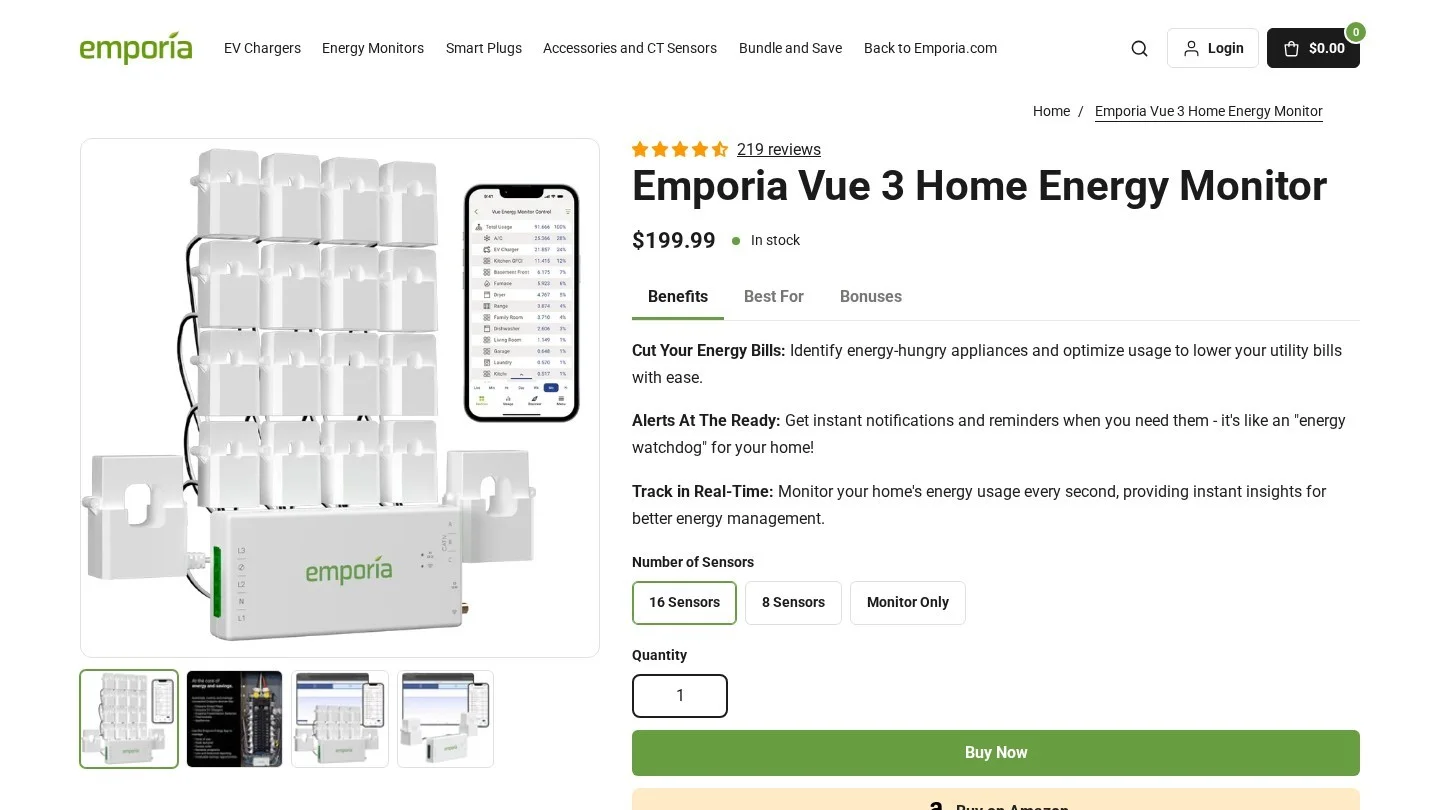
The Emporia Vue 3 product page lists $199.99 for the version with 16 circuit sensors and two 200-amp main sensors. That is about $12.50 per monitored circuit, the lowest in our comparison by a wide margin. The app is free and includes unlimited cloud storage.
What lifts the Vue above a plain meter is that it can manage other Emporia devices. Emporia says it can schedule an Emporia EV charger for the cheapest rate, respond to peak demand limits and soak up excess solar. If you already own a different brand of charger, that part will not help. The Vue also needs an active internet connection for real-time data; it does not store data locally.
Sense and Sense Flex for Spotting Appliances
Sense takes the opposite approach to Emporia. Instead of a clamp on each circuit, it watches the two main feeds very closely and uses machine learning to spot individual devices by their electrical pattern. The Sense store lists the standard monitor at $299, and Sense Solar and Sense Flex at $349 each. Flex adds sensors for dedicated circuits, 400-amp split service or a standby generator.
Device detection is Sense’s main appeal, because it can show the fridge, the well pump and the hair dryer by name without one sensor per circuit. Like any learning system, it needs time in your home before the list fills in. If you want a firm number for every circuit on day one, a circuit monitor gives that more directly.
IoTaWatt for Owners Who Want Their Data at Home
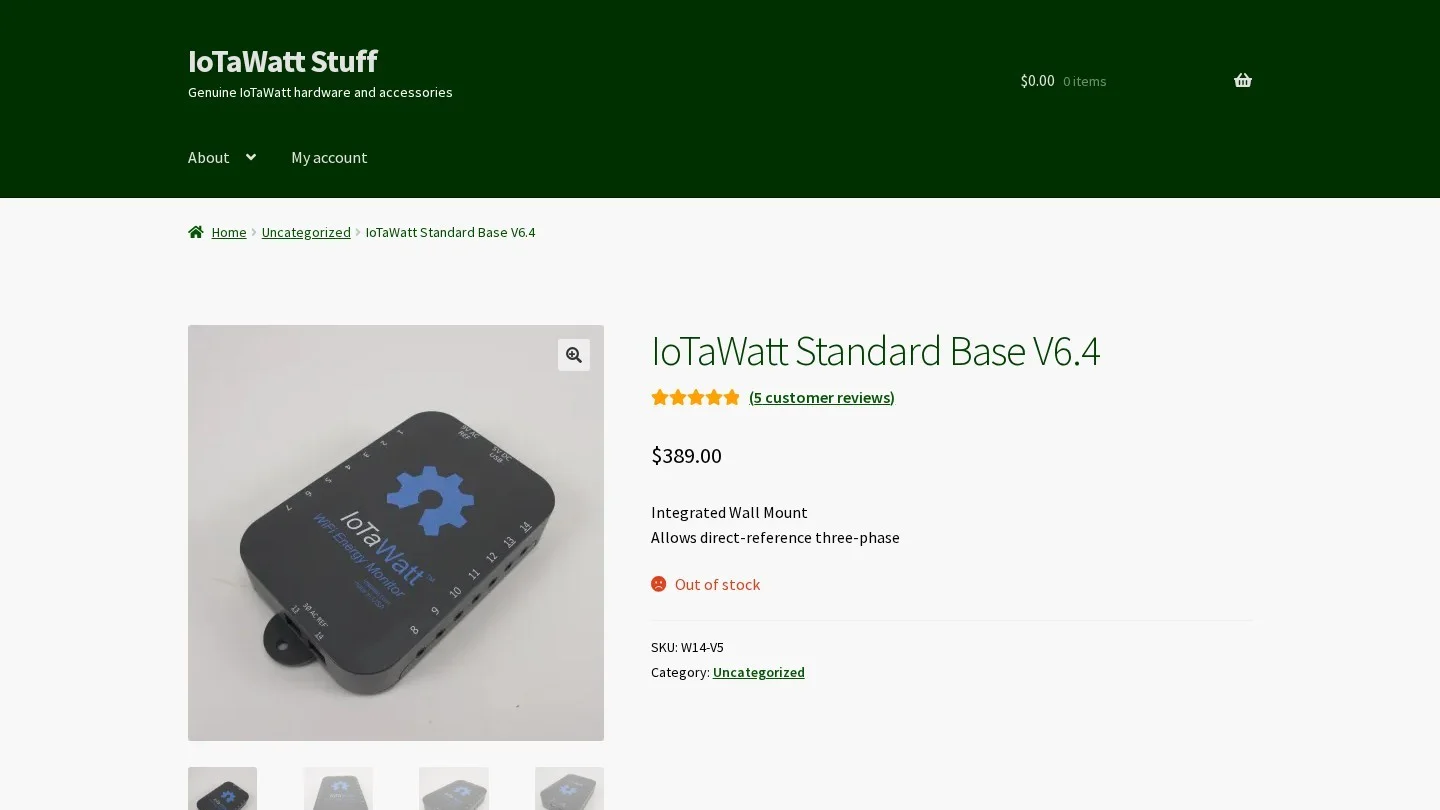
IoTaWatt is an open-source monitor with up to 14 inputs. Its store page lists the base unit at $389, with current sensors sold separately, and shows it as out of stock. The device saves data locally for up to 15 years and runs its own web page for setup and charts. It can also send data to tools such as InfluxDB and Emoncms.
That local design is the main reason to choose it over cheaper cloud-based monitors. If your internet drops or a company changes its app, your history stays in the box. People building a smart home that runs without internet tend to start here or with a monitor that has a local API.
SPAN Panel for Full Circuit Control
SPAN publishes its prices on a support page, which few smart panel makers do. The MSRPs, before installation, shipping and tax, are:
| SPAN model | MSRP | Price per circuit space |
|---|---|---|
| SPAN Panel MAIN 16 | $2,950 | $184 |
| SPAN Panel MLO 24 | $2,550 | $106 |
| SPAN Panel MAIN 32 | $3,500 | $109 |
| SPAN Panel MAIN 40 | $4,100 | $103 |
| SPAN Panel MLO 48 | $3,850 | $80 |
| SPAN Drive (accessory) | $750 | Not applicable |
We worked out the last column by dividing each price by the number in the model name. SPAN says installation costs about the same as a standard panel swap or an EV charger install, and software updates are free. It is sold only in the US and Puerto Rico, through authorized installers.
SPAN makes the most sense when you are replacing a panel anyway, for example when adding solar, a battery or an EV charger. In that case, the smart part only costs the gap between SPAN and a standard panel, not the full price.
Lumin Smart Panel for Battery Backup Without a Panel Swap
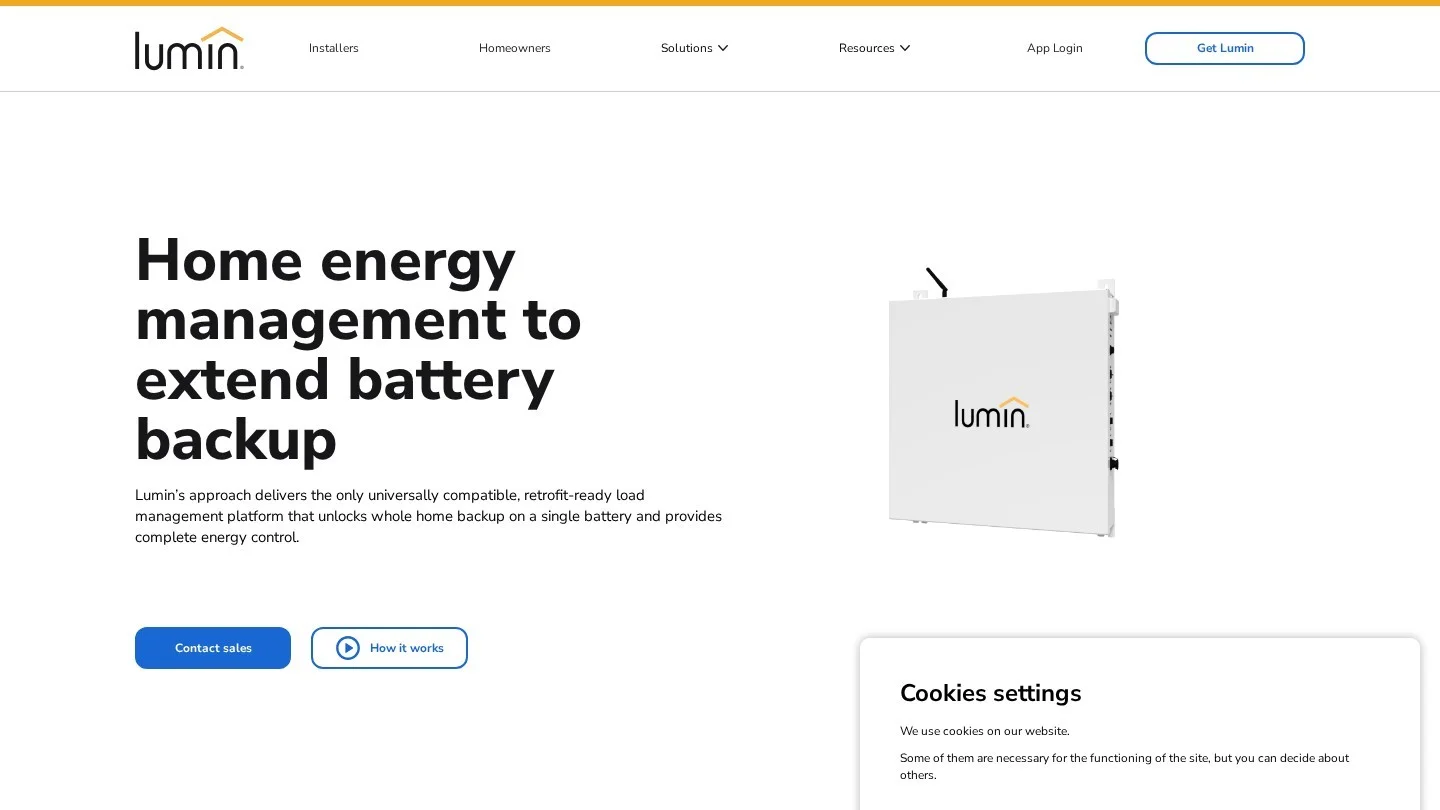
Lumin’s platform page describes a retrofit unit that works with any electrical panel. Its Off Grid Manager can shed circuits when an outage is detected, when demand passes a limit or when the battery runs low, and it reads battery charge from Tesla, SolarEdge, Enphase and EG4 systems. It keeps local control when Wi-Fi is down and carries a 10-year limited warranty.
Lumin sells through installers and does not list a price. Retail runs about $2,100 to $2,900, plus about $1,000 to $1,500 for installation. Lumin also gives sensible advice: control the big loads, such as air conditioners, pool pumps and EV chargers, and never put life-safety equipment or the circuit that powers your Wi-Fi router under its control.
Our Payback Math for Each Energy Management System
To compare a $200 monitor with a $4,100 panel, we asked how long each takes to pay for itself through lower bills. The inputs are official federal figures. The average US home bought 10,791 kWh in 2022, and the average residential price was 18.16 cents per kWh for January to June 2026. Multiplied together, that is a yearly bill of about $1,960.
We then assumed three savings levels, 3%, 5% and 10%, because the real figure depends on your habits and tariff. Payback in years is the hardware price divided by (bill x savings rate). Installation is left out, which flatters the smart panels, and prices are held flat, which flatters nobody: if electricity keeps getting more expensive, every payback period in the table gets a little shorter.
| System and price | Payback at 3% saving | Payback at 5% saving | Payback at 10% saving |
|---|---|---|---|
| Emporia Vue 3, $199.99 | 3.4 years | 2.0 years | 1.0 year |
| Sense, $299 | 5.1 years | 3.1 years | 1.5 years |
| Sense Flex, $349 | 5.9 years | 3.6 years | 1.8 years |
| IoTaWatt, $389 | 6.6 years | 4.0 years | 2.0 years |
| Lumin, $2,100 (retail low) | 35.7 years | 21.4 years | 10.7 years |
| SPAN MAIN 32, $3,500 | 59.5 years | 35.7 years | 17.9 years |
| SPAN MAIN 40, $4,100 | 69.7 years | 41.8 years | 20.9 years |
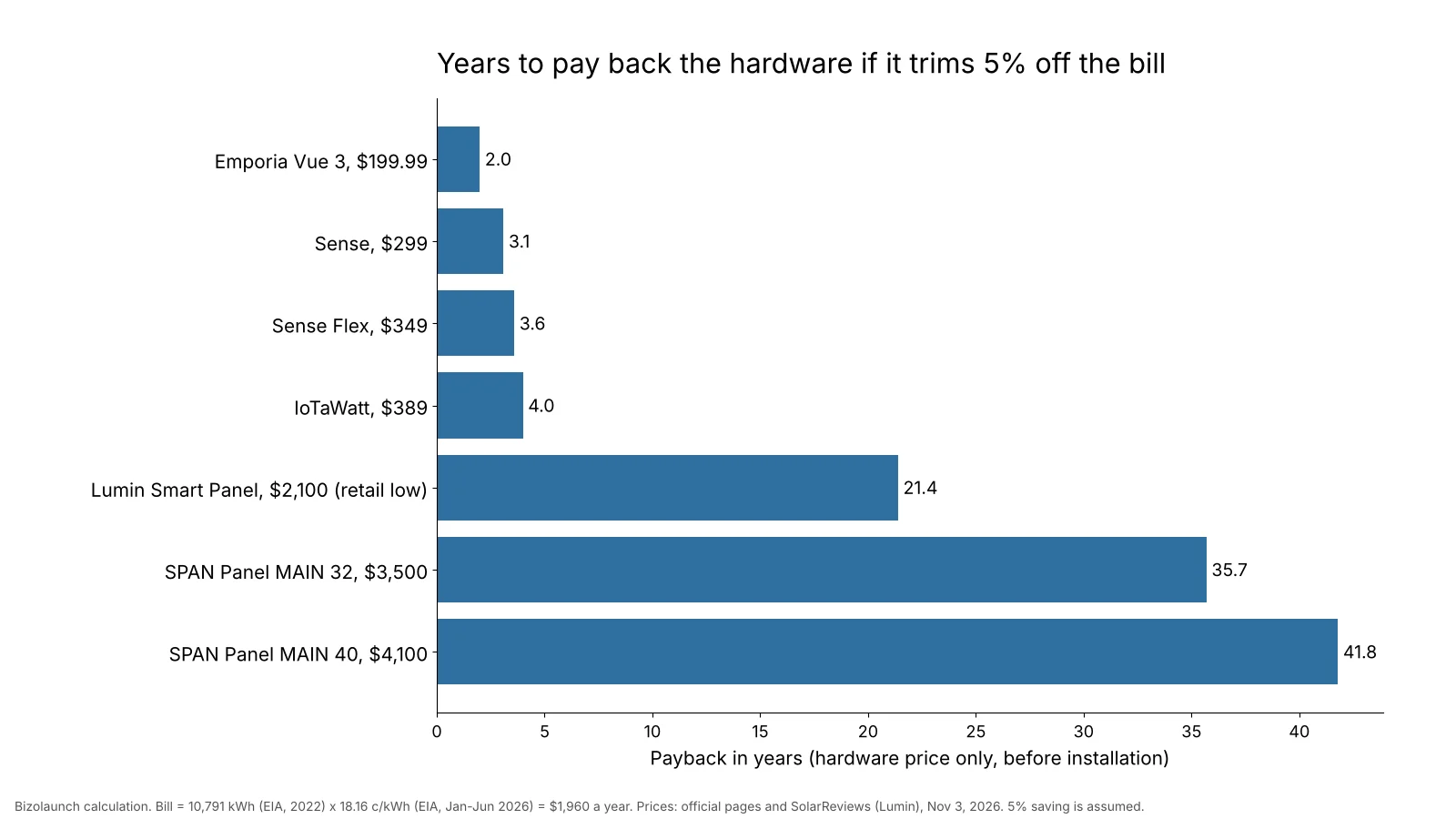
The result is plain. A monitor can earn back its cost from savings alone within a few years. A smart panel cannot, on an average bill. Buyers who choose one are paying for backup power control, EV charging without a service upgrade, or simply convenience, and that is a fair reason as long as it is the reason. If your bill is well above average, check our guide to the average electricity bill by state and redo the sum with your own number, or use our break-even calculator.
Five Things to Check at Your Breaker Panel Before You Buy
Most returns and disappointments with energy monitors come from a mismatch with the panel, not from the product. A few minutes with the panel door open, and a photo for your electrician, will tell you which system fits.
- Service size: the Emporia kit ships with two 200-amp main sensors. Homes with 400-amp split service need a product built for it, such as Sense Flex, which lists split-service 400A support.
- Solar and generators: if you have rooftop solar or a standby generator, buy the version that measures it. Sense sells a separate Sense Solar model for this reason, and Flex covers generators.
- How many circuits matter: count the 240-volt circuits for the dryer, range, water heater, heat pump and EV charger. These are the loads worth watching, and they decide whether 8, 12 or 16 sensors are enough.
- Wi-Fi at the panel: panels often sit in a garage or basement with weak signal. The Emporia Vue 3 offers wired Ethernet as well as 2.4 GHz Wi-Fi, and Lumin also needs a 2.4 GHz network.
- Space inside the panel: clip-on sensors need room around the wires. A crowded older panel may make a smart panel or a Lumin unit beside it the cleaner choice.
Some homes end up with both kinds of system. A cheap circuit monitor can show which loads matter for a few months before you decide whether a smart panel is worth it, and that trial run costs about a twentieth of a SPAN panel. It is the same logic a small business uses when it tests a new tool on one site before buying for every location: measure first, then spend.
Choosing an Energy Management System for Your Home
- You just want to know where the money goes: Emporia Vue 3 gives the most circuits for the price.
- You would rather not label 16 circuits: Sense picks out devices for you, and Sense Solar adds production data.
- You want your data kept at home: IoTaWatt stores it on the device and works with open tools.
- You have or are adding a home battery: Lumin adds backup load control without replacing the panel.
- You are replacing the panel anyway: SPAN gives control of every circuit from one app.
Whatever you pick, it helps to pair it with changes that use the data. Smart glass that tints in summer, for example, only proves its worth if you can see cooling use drop afterward, as we discuss in our guide to smart glass window costs. Homeowners adding a battery should read our guide on the home battery installation business to understand what installers look for, and the simple math in calculating battery backup time shows why shedding loads stretches a battery so far.
Common Questions About Home Energy Monitors and Smart Panels
Is a Home Energy Monitor Worth It?
On our math, yes, if it leads to even small changes. At an average bill of about $1,960 a year, a $200 to $389 monitor pays back in two to four years at a 5% saving. A smart panel needs a second reason, such as backup power control.
Can I Install an Energy Monitor Myself?
Clip-on monitors do not change your wiring, but they are fitted inside a live panel, so an electrician is the safer choice. SPAN must be installed by an authorized installer who is also a licensed electrician.
What Is the Difference Between Sense and Emporia?
Emporia puts a sensor on each circuit and reports exact circuit use. Sense watches the main lines and uses machine learning to recognize appliances. Emporia costs less per circuit; Sense needs fewer sensors.
Do Energy Monitors Need Internet?
Emporia says the Vue 3 needs an active connection for real-time data and storage. IoTaWatt stores data on the device, and Lumin keeps local circuit control when Wi-Fi drops.
Maker Pages and Federal Data Used for This Comparison
- Official product and price pages: Emporia Vue 3, Sense store, IoTaWatt, SPAN, Lumin.
- Third-party pricing for Lumin: SolarReviews.
- Federal data: EIA household electricity use and EIA Electric Power Monthly, Table 5.3.