Know Which Investor Writes the Check at Each Stage
Twelve types of investors back companies, and each one shows up at a different stage. Angels, angel networks and accelerators write the first checks. Micro-VCs and venture capital funds take over at seed and Series A. After that, corporate venture arms, strategic investors, family offices, private equity and sovereign funds join larger rounds. Crowdfunding investors can come in early or late. Finally, retail and institutional investors buy shares once a company lists.
So we researched what each type wants, how much it invests, and how founders reach it. For check sizes, we only used figures that investors or regulators publish, plus real rounds announced in the last few weeks. Our separate guide to the types of company funding covers the instruments, such as loans, grants and SAFEs. This page is about the people and firms on the other side of the table.
| Investor type | Usual stage | Example check, round or form | What they want most |
|---|---|---|---|
| Angel investor | Pre-seed, seed | $500,000 from Peter Thiel into Facebook (2004) | Founder quality and a big upside |
| Angel network | Pre-seed, seed | Members pool checks into one round | Deal flow they can vet together |
| Accelerator or incubator | Pre-seed | Y Combinator: $500,000 per company | Fast progress during the program |
| Micro-VC | Seed | Small funds writing early lead checks | A path to a larger Series A |
| Venture capital fund | Seed to late stage | Cent: $15 million Series A, co-led by Blume Ventures and South Park Commons | A company that can return the fund |
| Corporate venture capital | Series A onward | NVIDIA joined Simplismart’s $14 million Series B | Strategic insight plus financial return |
| Strategic investor | Growth stage | Schwarz Group companies led Cohere’s Series E | A business partnership |
| Family office | Seed to growth | Direct stakes, or money placed with VC funds | Long-term returns, often fewer conditions |
| Private equity | Mature companies | Majority or large minority stakes | Cash flow and a planned exit |
| Sovereign or state fund | Late stage | Temasek joined Bedrock Robotics’ $600 million Series C | National or long-horizon goals |
| Crowdfunding investor | Seed to growth | Monzo: £10 to £2,000 per person on Crowdcube | A stake in a brand they use |
| Retail and institutional investors | After listing | Public market share purchases | Liquidity and steady reporting |
Bring Angels In Before the Numbers Exist
Pitch Individual Angels Who Know Your Market
Angels invest their own money, so they can decide fast. Most back founders they have met, in markets they understand. As a result, the best angel is often a former operator in your industry.
The classic case is Peter Thiel and Facebook. In August 2004, he put $500,000 into the three-person startup for a 10.2% stake. It was Facebook’s first outside money, and he took a board seat. Later, he sold most of those shares for more than $1 billion in total.
Angels also join later rounds. For example, Cent’s $15 million Series A in India included angel checks from Vodafone’s Arun Sarin and OpenAI’s Srinivas Narayanan. Their names add trust that money alone cannot buy.
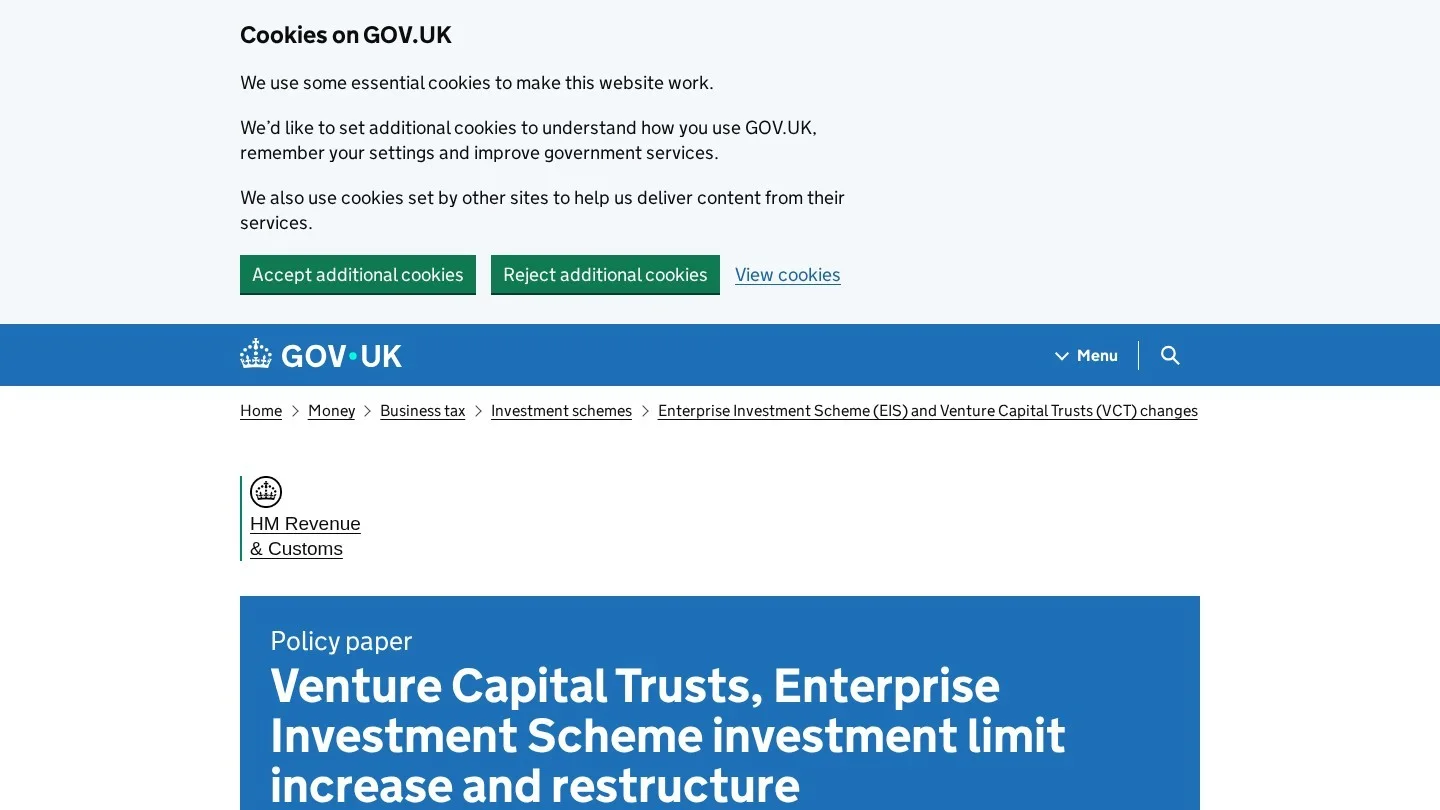
In the UK, tax rules shape what angels want. Under SEIS, an angel can claim 50% income tax relief on up to £200,000 a year. So ask early whether your company qualifies, because many UK angels will only invest if it does. Larger UK rounds use EIS, which gives investors 30% relief. Its company limits doubled from 6 April 2026, to £10 million a year.
Present to Angel Networks and Syndicates
An angel network is a group of angels who screen deals together. Members hear pitches at regular meetings. Then the interested ones pool their checks into one round.
For founders, the upside is reach. One pitch can reach dozens of investors. However, networks move more slowly than a single angel, because each member does their own checks. Expect a screening call, a pitch session and then a diligence team before money moves.
Apply to Accelerators and Incubators for a Small First Check
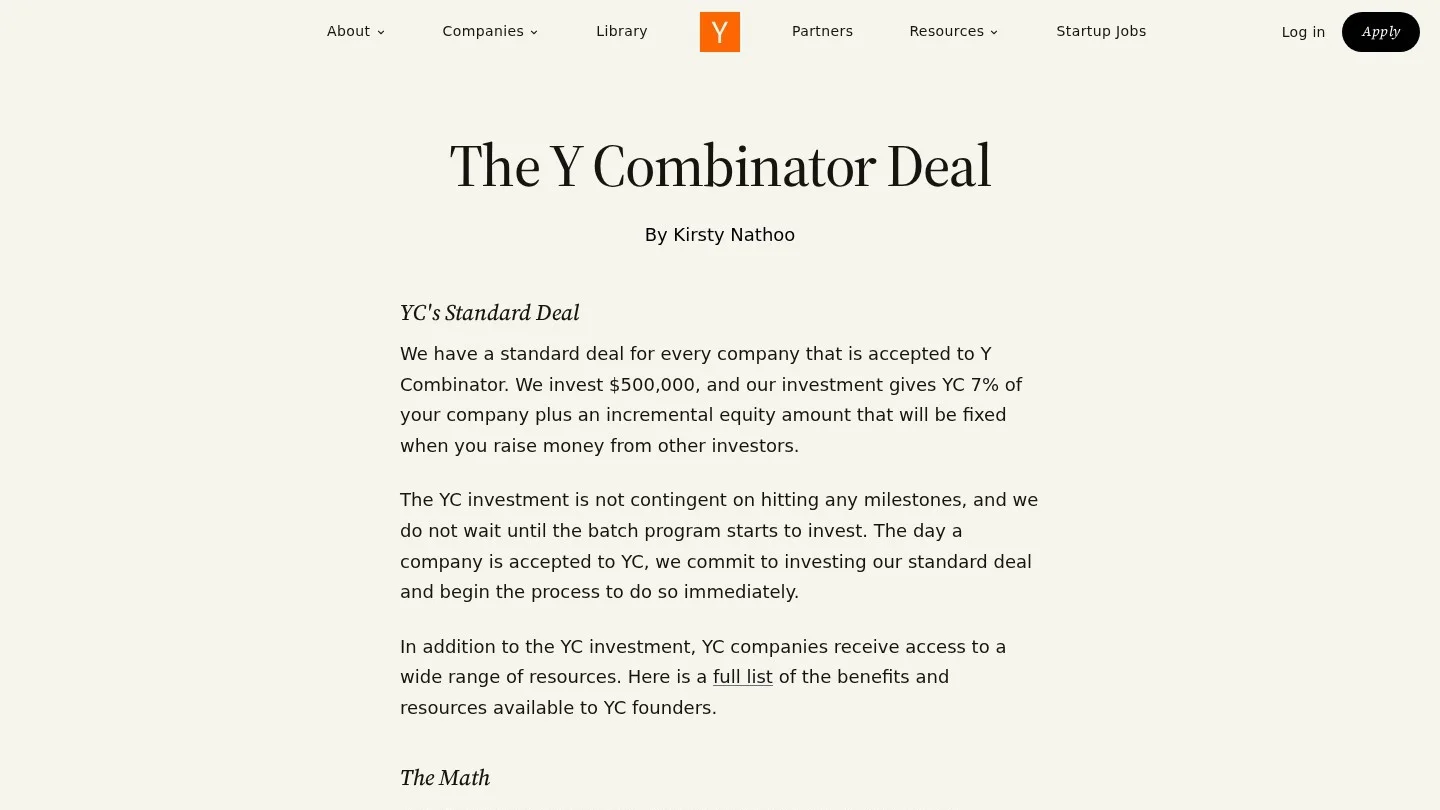
First, know how accelerators work. They invest a fixed amount in many young companies at once. In return, they run a short, intense program and a demo day. Y Combinator is the best-known one. It invests $500,000 in each company, split across two SAFEs, and charges no fees.
In India, incubators also hand out government money. The Startup India Seed Fund Scheme flows only through approved incubators. A startup can get a grant of up to ₹20 lakh, plus up to ₹50 lakh in debt or convertible debentures. So the incubator you join decides which public funds you can reach.
Before you apply, read the deal terms closely. Our SAFE note guide shows how a capped SAFE turns into shares. That math tells you what the program really costs you.
Approach Micro-VCs and Venture Capital Funds
Raise a Seed Round From a Micro-VC
A micro-VC is a small venture fund that writes early checks, often as the first institutional investor. Because the fund is small, the partners usually decide fast. They also tend to lead seed rounds that larger funds later follow.
Still, small funds have limits. Many cannot write large follow-on checks. So ask each one how much it reserves for later rounds, and who it usually brings in for Series A.
Pitch Venture Capital Funds for Series A and Beyond
Venture capital funds invest money from pension funds, endowments, wealthy families and governments. These backers are called limited partners. In India, for instance, the ₹10,000 crore Startup India Fund of Funds 2.0 invests through SEBI-registered alternative investment funds. Those funds then back startups.
Because VCs answer to their partners, they look for companies that could return the whole fund. Recent rounds show the range. Cent’s Series A was $15 million. Meanwhile, Kalshi raised a $1 billion Series G, co-led by Wellington and Sequoia. We track these rounds in our weekly startup funding roundup, which also names the lead investors.
The lead investor matters most. It sets the price and terms, and others follow. So find out who leads in your sector before you build a target list.
Court Corporate Venture Arms and Strategic Buyers
Talk to Corporate Venture Capital Teams
Corporate venture capital (CVC) is a company investing its own money in startups. It wants a financial return. But it also wants a view of new technology near its core business.
For example, chipmaker NVIDIA joined Simplismart’s $14 million Series B, led by Dallas Venture Capital. Simplismart builds AI infrastructure tools, which run on chips like NVIDIA’s. Likewise, Bell Ventures, the venture arm of the Canadian telecom firm Bell, joined Cohere’s Series E.
Before you accept, ask what rights the corporate wants. Some ask for a first look at any sale of the company. That can scare off other buyers later.
Partner With a Strategic Investor
A strategic investor goes a step further. It invests because it plans to work with you. Cohere’s Series E is a clear case. Companies of Germany’s Schwarz Group, which owns Lidl and Kaufland, led the round, and its STACKIT cloud will host Cohere’s models. Cohere says the round targets up to C$7 billion at a C$35.7 billion valuation.
In the US, JPMorganChase’s Strategic Investment Group co-led a $2.1 billion raise for Re:Build Manufacturing with General Catalyst. In both cases, the investor is also a likely customer or partner. That brings revenue, but it can tie you to one big name.

Meet Family Offices, Private Equity and State Funds When You Scale
Approach Family Offices Through Advisers
A family office manages the wealth of one rich family, or a few. Some invest in startups directly. Others put money into VC funds. Because they answer only to the family, they can hold a stake for many years.
However, family offices rarely advertise. Most deals come through lawyers, bankers, fund managers or other founders. So the best route in is a warm introduction from someone they already trust.
Sell a Stake to Private Equity When Cash Flow Is Steady
Private equity (PE) firms, by contrast, buy stakes in mature companies, often a majority. They look for steady cash flow, room to cut costs or grow, and a clear exit in a few years. Many use borrowed money to fund the purchase.
So PE is a poor match for an early startup that burns cash. Instead, it often comes in when founders or early investors want to sell. In return, expect the PE firm to take board control and push hard on margins.
Expect Sovereign and State Funds in Late Rounds
Sovereign wealth funds and state investment firms invest public money for long-term goals. Most join late, large rounds. For instance, Singapore’s Temasek joined Bedrock Robotics’ $600 million Series C, alongside the US Innovative Technology Fund and Bessemer.
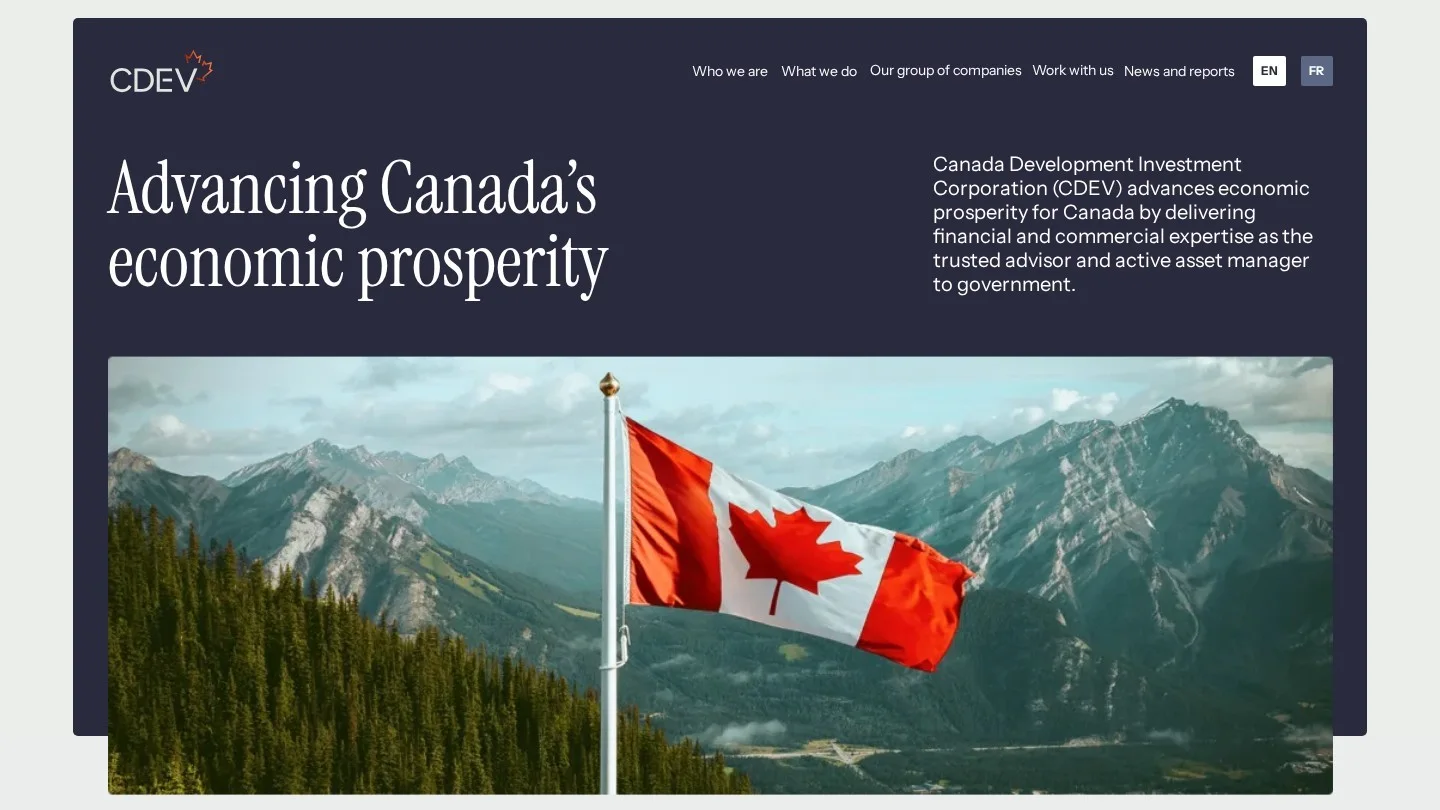
Governments now also take stakes for national reasons. On October 29, 2026, Canada announced an equity investment of up to C$1.6 billion in Cohere. The money is paid in stages through the Canada Development Investment Corporation, and it is tied to jobs and computing targets. Our story on the Cohere deal explains those terms.
Open the Round to the Crowd
Crowdfunding investors are ordinary people who buy small stakes through a licensed platform. In fact, many are customers. That makes them fans as well as owners.
For example, Monzo showed how big this can get. In December 2018, about 36,000 customers put £18 million into the UK bank on Crowdcube in under three hours. Each person could invest from £10 up to £2,000. With £2 million from existing investors, Monzo hit its £20 million goal.
In the US, the SEC limits how much each non-accredited person can put in. If income or net worth is under $124,000, the cap is the greater of $2,500 or 5% of the larger figure. Above that, it rises to 10%. Also, no non-accredited investor can put more than $124,000 a year into these offerings.
Still, a crowd round brings hundreds of small owners onto your cap table. So plan how you will report to them, and use a platform that pools them into one legal holder if it offers that.
Sell Shares to Retail and Institutional Investors After Listing
After a company lists, two kinds of buyers own it. Retail investors are individuals using their own brokerage accounts. Institutional investors are mutual funds, pension funds, insurers and hedge funds, and they usually buy far larger blocks.
Some institutions now invest before the listing too. For example, Kalshi’s $1 billion Series G included Wellington, Baillie Gifford and Morgan Stanley Investment Management. These are crossover investors, firms that hold both private and public shares. Their presence in a late private round often signals an IPO ahead.
Public investors want steady reporting and a share price they can trade. So listing changes how you run the company, and it comes with its own costs. If you want to follow how these investors think, our list of finance podcasts for investors is a good place to listen in.
Trace How Each Investor Changes Your Ownership
Every investor takes a slice. To show how the slices add up, we built a sample cap table for one company. It uses Y Combinator’s published deal and our own assumed terms for the later rounds.
- Accelerator: Y Combinator’s $125,000 SAFE for 7%, plus $375,000 on an MFN SAFE that converts at the angels’ $10 million cap. That second SAFE works out to 3.75%.
- Angels: $500,000 on a SAFE with a $10 million post-money cap, so 5%.
- Seed VC: a priced round where the new fund buys 20%, which is our assumption.
- Series A VC or CVC: another 20%, also our assumption.

| Holder | After accelerator and angels | After seed | After Series A |
|---|---|---|---|
| Founders | 84.25% | 67.40% | 53.92% |
| Accelerator | 10.75% | 8.60% | 6.88% |
| Angels | 5.00% | 4.00% | 3.20% |
| Seed VC | 20.00% | 16.00% | |
| Series A investor | 20.00% |
Two results stood out in our math. First, early money is expensive. The accelerator’s $500,000 bought 10.75%, more than double the angels’ 5% for the same $500,000. Second, the founders still held a majority after Series A. But one more round of the same size would push them under 50%.
Find and Contact the Right Investor
Most founders pitch too many of the wrong investors. So build a short list first, then reach out in order. This is the order we recommend after studying the rounds in our weekly roundups.
- Match the stage. Angels and accelerators rarely lead a Series B, and PE rarely funds a prototype.
- Check recent deals. Look for investors who led rounds in your sector in the past year. Our list of new startups to watch names many of them.
- Read each fund’s thesis and check size on its website. Then drop any that do not invest in your country or stage.
- Get a warm introduction. A note from a founder they backed works better than a cold email.
- Send a short teaser first. Then share the full deck when they ask for it.
- Prepare a data room before the first meeting. It should hold your cap table, financials and key contracts.
Also, your deck often gets read before you ever meet. If design is not your strength, our list of pitch deck design firms covers teams that build investor decks.
Answer Founder Questions About Investor Types
What Are the Main Types of Investors for a Startup?
The main types are angels, angel networks, accelerators, micro-VCs, venture capital funds, corporate venture arms and strategic investors. Later, family offices, private equity and sovereign funds join. Crowdfunding investors, along with retail and institutional buyers after a listing, complete the list.
Who Invests First in a Startup?
Usually the founders, then friends, family and angels. Accelerators also invest at this stage. For example, Y Combinator puts $500,000 into each company it accepts.
What Is the Difference Between an Angel Investor and a Venture Capitalist?
An angel invests personal money, often early and alone. A venture capitalist invests money from a fund’s limited partners. As a result, VCs write bigger checks, take board seats and need very large outcomes.
What Is the Difference Between Corporate and Strategic Investors?
A corporate venture arm invests mainly for financial return, with a view of new technology on the side. A strategic investor invests because it plans to work with you, as Schwarz Group did with Cohere.
Can Ordinary People Invest in Startups?
Yes, through equity crowdfunding. For example, in the US, non-accredited investors can put in at least $2,500 a year under Regulation Crowdfunding. Higher earners can invest more. In the UK, Monzo customers invested from £10 each.
This article is for information and education only and is not investment, tax, legal or financial advice. Investment limits and terms change, so confirm current details with the official source or a registered adviser before acting.