The UK’s guide to safe sports grounds, known as the Green Guide, first came out in 1973 as a thin booklet for football clubs after the Ibrox disaster, the Sports Grounds Safety Authority (SGSA) notes. The eight crowd management methods that work best are a safe size limit, control of how people come in and go out, good queues, clear signs, trained stewards, a control room with spare radios, live crowd checks and a tested plan for the worst case. Each one shows up in official advice from the UK Health and Safety Executive (HSE), the Events Industry Forum and the U.S. Cybersecurity and Infrastructure Security Agency (CISA).
Crowd management is not the same as crowd control. In fact, the Events Industry Forum’s Purple Guide calls it a whole system that should grow with the size and risk of the event, while control is just one tool in it. A written crowd plan sits at the heart of that system.
Most harm in a crowd comes from a short list of risks. For example, the HSE names surges and sway that crush people against each other or against walls and rails, falls that lead to trampling, and too few ways in and out. Badly run queues can also cause surges at doors and people climbing over barriers.
The risk does not stop at the gate. So both the Purple Guide and the sixth edition of the Green Guide ask planners to cover the streets and transport stops where people arrive and leave, not just the site.
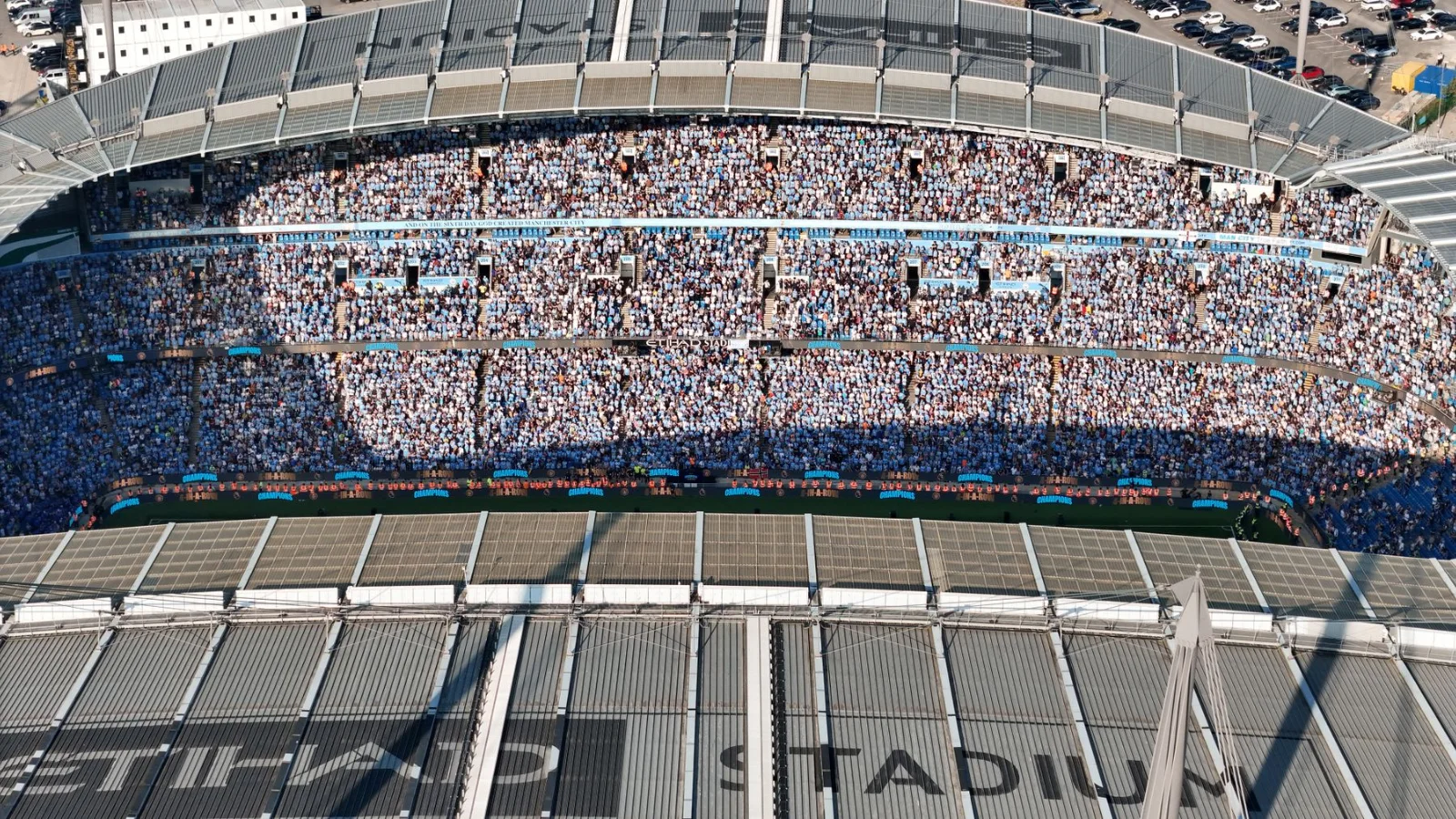
What Crowd Management Means at Events and Venues
Crowd management means you plan, staff and watch an event so people can get in, move around, leave and, if needed, get out fast without harm. The HSE aims its crowd safety advice at the people who run events, such as a festival, but it also applies to venue owners, managers and contractors.
In practice, the work falls into three stages. First, you judge the risk and set a safe size limit. Next, on the day, stewards and a control room watch the crowd and act early. Then, once the event is over, the HSE advises a debrief with partners such as the police and the local council, so the next plan fixes what went wrong.
The 8 Effective Crowd Management Techniques
The 8 effective crowd management techniques are safe size limits, control of flow in and out, good queues, clear signs, trained stewards, a control room with backup radios, live checks and a tested plan for the worst case. Use them as a set, because a gap in one, such as a blocked exit, can undo all the rest.
1. Set a Safe Limit on Crowd Size and Density
A safe limit is the most people a space can hold while they can still get in, move, leave and escape fast. The HSE asks event teams to work out that number for each site and, outdoors, to split the ground into zones such as gates, viewing areas and the spots around bars, stalls and stages.
A good guess at turnout feeds the number. For instance, the HSE suggests you look at past turnout, similar events, ticket sales, how well known the acts are, peak days, the weather, transport trouble and public holidays. The Green Guide treats safe capacity as a core part of stadium safety, and the SGSA posts worked examples of the math as free add-ons.
Density is the local side of the same problem. A field may be half empty while the patch in front of the main stage is packed. That is why the HSE tells planners to guard the crush-prone areas and, at large shows, to split the crowd into pens with barriers to cut sway and surge.
2. Control How People Arrive and Leave
Flow control means you move people in and out at a pace the routes can take, with no dead ends or tight spots. The HSE warns that crowding on walkways can turn into pinch points, so it advises keeping paths clear of stalls and rides and not letting them feed straight into the space in front of the stage.
Timing matters as much as layout. The Purple Guide covers phased arrivals and departures, which means you spread out when people come and go rather than letting everyone hit the gates at once. Also, the HSE notes that people who arrive in daylight often leave in the dark, so the routes out need good lights.
For road races and street parades, flow covers the whole route. Big public races such as the Indira Marathon in Prayagraj draw crowds along open streets. There, the HSE suggests you sample how fast people pass and how much space is between them, because there is no single gate to count at.
3. Design Queues That Keep Order
Good queues keep people calm, in line and away from danger while they wait to get in. The HSE notes that a well-run queue helps keep order, while a poor one can cause surges at the doors, barrier climbing and people scaling things to get a view.
CISA’s venue security guide ties crowd control to barriers, queue systems and staff training. It also says the public should come in only through set checkpoints, with trained security staff at each one. In the same way, the Purple Guide treats queue systems and ticket checks as topics of their own.
A ticket or scanner outage can freeze a queue in minutes. So keep a paper backup, and read up on ransomware prevention if your gates rely on an online ticket system.
4. Use Clear Signs and Wayfinding
Clear signs lead people to safe paths, viewing spots and exits before they get lost or bunch up. The HSE calls for “an appropriate number of signposts and/or stewards wearing tabards” to keep people on safe routes and out of closed areas.
Signs work best when people already know the layout. For that reason, the HSE advises sharing site maps and risk details before, during and after the event on tickets, websites and social media. CISA’s guide also asks venues to mark the routes out clearly, so the way to safety is plain even when people panic.
Screens can act as signs too. For example, the HSE suggests well-placed video screens to draw people toward less crowded areas, along with good views of the stage so fans do not crush forward to see.
5. Train and Place Stewards Well
Trained stewards are the people who spot trouble first and calm it before it grows. The HSE says everyone on the crowd team, volunteers included, needs the facts, the steps and the training to work safely, with oversight that matches the risk.
The team should grow with the event. Large crowds may need a chief steward or audience manager, a senior supervisor and other supervisors, so each steward knows who to call. In addition, stewards who run rescue gear or guard closed areas must know the job well, and the HSE notes they may need practice to keep that skill.
Stewards in the crowd see things a camera misses, such as faces, signs of distress and rising tension. However, if they also check tickets, they may not have time to watch the crowd, so the HSE says to add staff at busy times. CISA’s De-Escalation Series and Power of Hello guides can help train staff to read and calm tense people.
6. Run a Control Room with Backup Radios
A control room gives the people in charge one live view of the event and one place to send orders from. The HSE says it should track crowd size, queue build-up and serious incidents, direct staff and talk to the police, fire and ambulance teams.
It does not need to be fancy. At a small venue, an office, tent or cabin with a phone and a two-way radio can do the job, while a street event may need a main base at the start or end of the route. Festivals spread across many venues, such as Cannes Lions, show why each site needs a clear line back to one control team.
Plan for the day your radios or speakers fail. The HSE advises spare batteries, mobile phones or extra radios, and backup loud hailers in case the PA goes down. At bigger venues, it also calls for backup power for the PA.
CISA goes further. It asks venues to agree on alert messages and decision points in advance, and to use the PA, social media, email and message boards to reach the crowd. Because cameras, radios and scanners now run on networks, some venues also bring in an outside expert, the kind of help a cybersecurity consulting business offers.
7. Watch the Crowd with People and Tech
Live checks mean you count people and watch how they spread out, so you never pass the safe limit and can act before a local crush forms. The HSE names the places to watch: gates, standing areas where surges happen, busy stalls and bars, stairs and escalators, queues and closed-in spaces.
Counting tools range from simple to high-tech. For example, the HSE lists hand counters, turnstiles, chipped tickets or wristbands, people-counting sensors, heat-based counting and tracking of mobile phone signals. It also notes that viewing platforms, fixed and mobile CCTV and drones can show how a crowd moves, and that social media can reveal the crowd’s mood.
CISA’s guide also asks venues to put in a video system to help watch the crowd. Still, cameras only help if someone in the control room is watching and has the power to act.
8. Write and Test a Plan for the Worst Case
A plan for the worst case sets out how you will clear the site, shelter people or stop the show if something goes wrong. CISA asks venues to write an Emergency Action Plan, set clear steps for shelter and for getting people out, and draw up a plan for how many people each event will hold.
Testing is what makes the plan real. In fact, CISA calls for drills on the plan’s steps for an active shooter, a full exit, sheltering in place and bringing families back together, plus tests of the alert systems. It also says to agree on plans ahead of time with local, state and federal teams, and to pick a spot with first responders where medics can sort and treat the hurt.
The Purple Guide adds show stops, delays, cancellations and full exits to the plan, along with heat and bad weather. Likewise, the HSE wants the crowd plan to cover accidents, and it warns that smoke or dry ice effects may slow how fast people react to a real fire.
Read also: Instagram Captions for New Restaurant Openings That Pull Crowds
Crowd Management Techniques at a Glance
Each technique guards against a different kind of harm, and each one has an official guide behind it.
| Technique | Main Risk It Cuts | Where to Read More |
|---|---|---|
| Safe size limit | Too many people and crushes | HSE, SGSA Green Guide |
| Flow in and out | Tight spots and blocked exits | HSE, Purple Guide |
| Good queues | Surges at doors | HSE, CISA |
| Clear signs | Lost or bunched crowds | HSE, CISA |
| Trained stewards | Slow help for people in distress | HSE, Green Guide |
| Control room and radios | Slow or mixed orders | HSE, CISA |
| Live checks | Crushes no one sees | HSE |
| Worst-case plan | Chaos when people must get out | CISA, Purple Guide |
What Hillsborough Shows About Flow and Decisions
Hillsborough shows how a build-up at the gates, a late call and an exit gate opened without control can add up to a deadly crush. On 15 April 1989, clear signs of a crowd building outside the Leppings Lane end appeared from about 2.15pm, the IOPC and Operation Resolve report finds.
At about 2.30pm, the match commander talked about a later kick-off but chose to start the game on time. Then, at 2.47pm, radio calls went out to open exit gates A, B and C, and all three opened over the next ten minutes. Gate C stayed open for a long time with no control, and a large number of fans came in while the centre pens of the West Terrace were already quite full.
Each failure maps onto a technique on this list. For example, live checks would track the build-up, a control room with clear power would delay the start, and flow control would stop a rush into pens that were already full.
How to Scale These Techniques to Your Event
The right mix depends on the size, layout and risk of your event, and the Purple Guide says crowd plans should grow with that risk. A village fair may need a few stewards, a radio and a marked exit, while a stadium needs the full Green Guide approach with a safety officer and an operations manual.
Plan on a timeline, because many of these steps take weeks. Many event teams map tasks like the crowd size study, steward training and the fire drill in Gantt chart tools, so each task has an owner and a due date.
You can also cut the peak crowd by design. For instance, a hybrid event can move part of the program online, and a virtual event planning checklist helps you run that side well. For U.S. venues, CISA’s Mass Gathering Security Planning Tool and Public Venue Security Screening Guide are free places to begin.