

Pay-per-click ads charge you when a person clicks, and Google Ads has no flat fees or monthly subscriptions, so the budget is yours to set. The top 15 PPC ad networks in the USA are Google Ads, Microsoft Advertising, Meta Ads, Amazon Ads, LinkedIn Ads, TikTok Ads, Pinterest Ads, X Ads, Apple Ads, Walmart Connect, Nextdoor Ads, Criteo, AdRoll, StackAdapt and Outbrain Amplify. Google and Microsoft sell ads on search, so they reach people who type a need into a search box. Meta, TikTok, Pinterest, X and LinkedIn, on the other hand, sell ads in feeds where people scroll and browse.
The cost to get going differs a lot from one network to the next. For example, Amazon Sponsored Products can run on a $1.00 daily budget, while LinkedIn asks for at least $10 a day. Nextdoor puts its local ads at less than $5 a day. So a small shop can test a new network for a few dollars a day before it puts real money in.
Not every network bills by the click, either. X bills reach campaigns per 1,000 views of a post and traffic campaigns per link click, and Apple Ads Basic charges per install of an app. Store networks such as Amazon Ads and Walmart Connect show ads right next to the products people are about to buy. Criteo and AdRoll, in turn, show ads to shoppers after they leave a site, which is what marketers call retargeting.
PPC Ad Networks in the USA at a Glance
Google Ads and Microsoft Advertising are the two search networks on the list, and the other 13 sell ads in feeds, apps, stores and on news sites. The table puts the billing model and the main ad spots side by side, so you can see which networks match the way your buyers shop.
| Network | How You Pay | Where Ads Show | Who Gains Most |
|---|---|---|---|
| Google Ads | Per click, per 1,000 views, per video view or per lead | Search, YouTube, Display, Shopping | Firms that people search for |
| Microsoft Advertising | Per click, per 1,000 views or per sale | Search, Shopping, Display, video, CTV | A second search channel |
| Meta Ads | Bids in Ads Manager | Facebook, Instagram, Messenger, WhatsApp | Brands that sell with photos and video |
| Amazon Ads | Per click, from $1.00 a day | Amazon search and product pages | Amazon sellers and KDP authors |
| LinkedIn Ads | From $10 a day | LinkedIn feed and inbox | B2B firms |
| TikTok Ads | Bids in TikTok Ads Manager | TikTok feed and TikTok Shop | Brands with short video |
| Pinterest Ads | Per 1,000 views or per video view for reach goals | Pinterest feed and search | Home, style and gift brands |
| X Ads | Per 1,000 views, per click or per engagement | X timeline | News, sports and tech brands |
| Apple Ads | Per tap or per install | App Store | App makers |
| Walmart Connect | Sponsored Search campaigns | Walmart search and item pages | Walmart sellers and suppliers |
| Nextdoor Ads | Daily budget, paid 30 days at a time | Neighborhood feeds | Local service firms |
| Criteo | Per click or per 1,000 views | Open web, social, retail sites | Online stores |
| AdRoll | Pay as you go, or a package | Display, native, video, CTV | Small online stores |
| StackAdapt | Quote after a demo | CTV, native, audio, screens, games | Agencies and B2B teams |
| Outbrain Amplify | Campaign CPC and budget | Large publisher sites | Content and lead campaigns |
Read also: PPC Terms Every Ad Buyer Should Know
Top 15 PPC Ad Networks in the USA
The top 15 PPC ad networks in the USA are Google Ads, Microsoft Advertising, Meta Ads, Amazon Ads, LinkedIn Ads, TikTok Ads, Pinterest Ads, X Ads, Apple Ads, Walmart Connect, Nextdoor Ads, Criteo, AdRoll, StackAdapt and Outbrain Amplify. The list opens with the two search networks and ends with ad tech platforms that buy space across many sites, so a business with a small budget can begin at the top and work down.
1. Google Ads
Google Ads is the default first network for most US businesses, because it puts your ad in front of people at the moment they search. You pay per click on Search and Shopping, per 1,000 views on the Display Network, per lead on Local Services Ads and per view on YouTube. In each case, Google runs an auction and works out an Ad Rank from your bid, your Quality Score and your ad assets.

One detail catches new advertisers off guard. On busy days, a campaign can spend up to two times its daily budget, although the monthly total stays under your monthly limit. Local firms such as plumbers and lawyers also get a lead-based option, and our breakdown of what Google Local Services Ads cost walks through that model. Free tools like Keyword Planner and Performance Planner help you estimate clicks and costs before you launch.
2. Microsoft Advertising
If Google is your main search channel, Microsoft Advertising is the natural second one, and it does not ask for a large budget to begin. Instead, you can begin small and scale as you learn, with a choice of pay per click, pay per 1,000 views or pay per sale. You set a top bid for each click, and the real cost can come in lower when there is less competition.

Ad types cover search, Shopping, display, native, video, connected TV and Performance Max. Also, Shopping campaigns let you bid by product or by category, and awareness campaigns come with frequency caps. Microsoft has also changed how its bid tools work, which we cover in our note on the Microsoft Advertising bidding upgrade. As search habits shift, it helps to track how search market share is moving with AI search when you split budget between the two engines.
3. Meta Ads
Five Meta apps and networks carry ads from one account: Facebook, Instagram, Messenger, WhatsApp and Audience Network. You build and bid on campaigns in Ads Manager, and formats range from video ads to the Stories format. For brands that sell with photos and short clips, that reach across feeds, chats and partner apps is hard to match.

Meta also sells paid plans called Meta One, in four tiers that go up to Max, and each one bundles AI and business tools for firms that qualify. However, plans and perks vary by region, app and account, so check what shows up in your own account. Many teams now write and test Meta ad copy with AI, and our list of AI tools for social media ads covers the ones built for that job.
4. Amazon Ads
At $1.00 a day, Sponsored Products is one of the cheapest ways to test PPC on a store, and Sponsored Brands has the same $1.00 daily minimum. Both run on cost per click. Sponsored Products ads show at the top of, beside and inside shopping results, on product pages and on checkout pages.

Professional sellers, vendors and KDP authors can all run Sponsored Products, while Sponsored Brands needs Amazon Brand Registry for sellers. Display, video and audio ads are open even to firms that do not sell on Amazon. Managed-service display or video, though, usually needs a $50,000 minimum spend in the US, and audio ads usually need $25,000.
5. LinkedIn Ads
B2B firms that sell to job titles rather than to households tend to get the most from LinkedIn, and the price of entry is a $10 minimum daily budget for any ad format. New campaigns with a lifetime budget need at least $100. After launch, that floor becomes $10 times the number of days on the schedule.

Formats include Sponsored Content, Sponsored Messaging, Dynamic Ads and Text Ads. There is also a Dynamic Group Budget that pools spend across single image, carousel, video, document, event and job ads, with a $30 daily minimum at the campaign level. Its default bid plan is maximum delivery, and you can switch to cost cap or manual bids.
6. TikTok Ads
Short video is the whole point of TikTok Ads, so brands that can film quick, native-looking clips get the most out of it. TikTok for Business groups its tools into Ads Manager, Business Account, Business Center and TikTok Shop. That last one lets a brand link ads to products people can buy inside the app.
For teams short on video skills, TikTok adds creative help through Symphony Creative Studio, Creative Exchange, Creative Center and TikTok One. Its products are sorted into branding, creative, performance, measurement and commerce. Also, TikTok Academy and its certification courses teach the basics of running campaigns.
7. Pinterest Ads
People use Pinterest to find new brands and ideas, so home, style and gift brands can reach buyers early in the hunt. Pinterest offers eight ad formats: carousel, collections, idea, image, Premiere Spotlight, quiz, showcase and video. Campaigns follow three stages: awareness, consideration, and leads and sales.

For awareness goals, you can bid per 1,000 views or per video view, and you can set your own bids or let the auto-bid tools run. Targeting covers new audiences, uploaded customer lists for retargeting, and layered keyword and interest targeting. You control spend through a starting budget or bid, plus how long the ad runs and how often people see it.
8. X Ads
Unlike most social networks, X sets a different billing unit for each goal. Reach campaigns are billed per 1,000 post views, website traffic per link click and engagement campaigns per engagement, while video views are billed per view. App install campaigns can be billed per view of the ad or per app click.
There is no minimum campaign spend, and X will never go over the daily budget you set. Targeting choices include follower look-alikes, events, interests and conversations, people who engaged before, and custom audience lists. As a result, news, sports and tech brands that ride live events can buy ads around the moments people are already posting about.
9. Apple Ads
App makers have two ways to buy App Store ads, and each one bills in a different way. Apple Ads Advanced charges per tap and can place ads on the Today tab, the Search tab, in search results and on other apps’ product pages. Apple Ads Basic charges per install instead and shows ads in search results only.
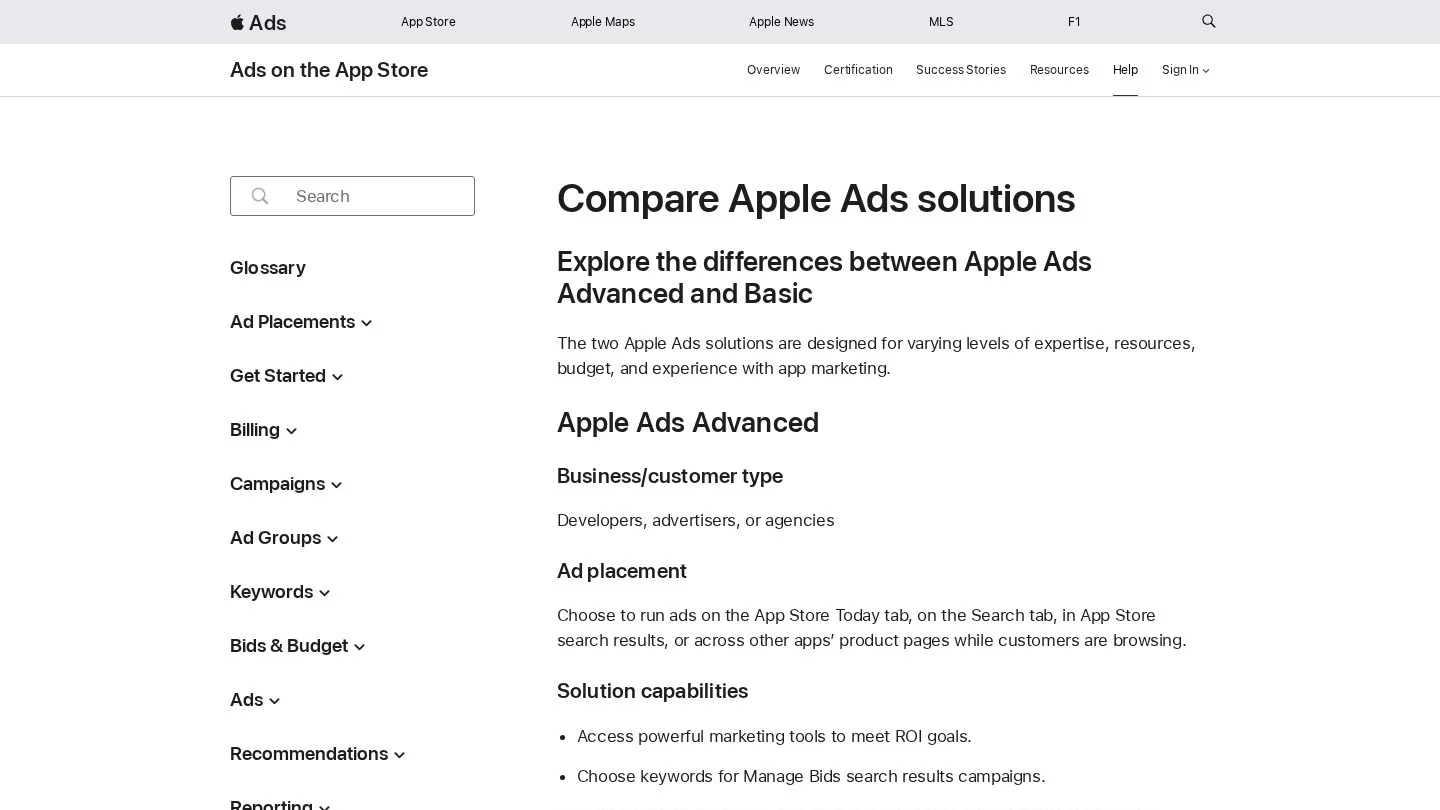
Basic caps spend at $10,000 per app per month and handles up to 50 apps, with a quick-view dashboard. Advanced has no budget cap, no app limit and full reports. Small studios can therefore test Basic first and move to Advanced when they want keyword control.
10. Walmart Connect
Walmart Connect is to Walmart what Amazon Ads is to Amazon: a way to buy the top spots in the store’s own search. Its Sponsored Search program has three ad types. Sponsored Products show in search results and on item pages, Sponsored Brands show a brand’s logo and products in top spots, and Sponsored Videos play short shoppable clips with an add-to-cart button.

Sellers and suppliers who already list on Walmart gain the most, because the ads reach people who are searching for products like theirs. In addition, reports draw on Walmart’s own customer data, so you can tie ad spend to sales inside the store. There are separate tracks for small businesses and larger firms.
11. Nextdoor Ads
One in three US households is on Nextdoor, which makes it a direct line to the neighbors of a local business. Nextdoor puts ad costs at less than $5 a day, and 88% of its neighbors shop local. Also, 54% buy from businesses they find on Nextdoor.

Billing works in 30-day blocks. You pay up front for your daily budget times 30, and the same amount is charged every 30 days until you cancel, which stops the ad at the end of the current period. Targeting is set by neighborhood, so a cleaner, roofer or dentist can match the ad to the area it serves, and an AI Campaign Assistant can draft the copy.
12. Criteo
Retargeting shoppers who left without buying is Criteo’s best-known skill, and its Dynamic Retargeting ads show people the products they looked at. The network reaches 200+ retailers and 1,300+ direct publisher partners, serves more than 5 billion ads a day and works with 17,000+ clients. Pricing runs on an insertion order and supports cost per click or cost per 1,000 views.
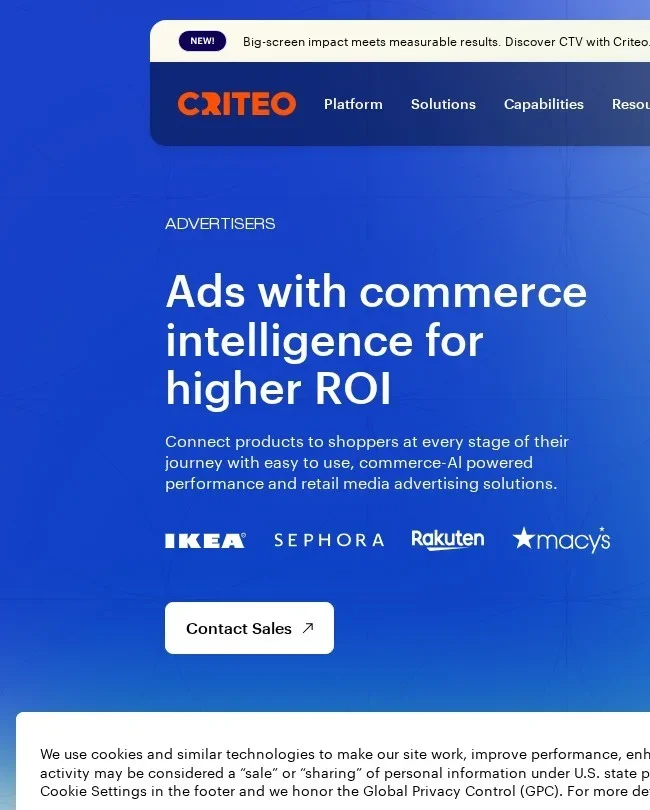
Bids can be a manual top CPC, or AI models that aim for return on ad spend, sales or visits. Criteo also runs retail media, with onsite and offsite campaigns across many retailers at once. People who want to work in this side of ad tech can read our guide to careers in programmatic advertising.
13. AdRoll
Small online stores that want retargeting without a contract can use AdRoll’s pay-as-you-go Ads plan. It covers display, native, video and CTV ads, plus retargeting and new-customer campaigns, audience groups and reports. Social channels and monthly ad credits are not part of that plan.

Stores ready to commit for a year can ask for a quote on the Advanced package. It adds onboarding, account help, creative and 24/7 support, and it comes with a monthly ad credit that must be used that month. Agencies get their own package, with rebates of 14% to 20% based on committed spend.
14. StackAdapt
Founded in 2014 in Toronto, StackAdapt buys ads across more channels than any other network on this list. Its platform covers CTV, display, native, video, audio, digital screens and in-game ads, along with email and direct mail. This October, it also added custom audience support for ChatGPT Ads.
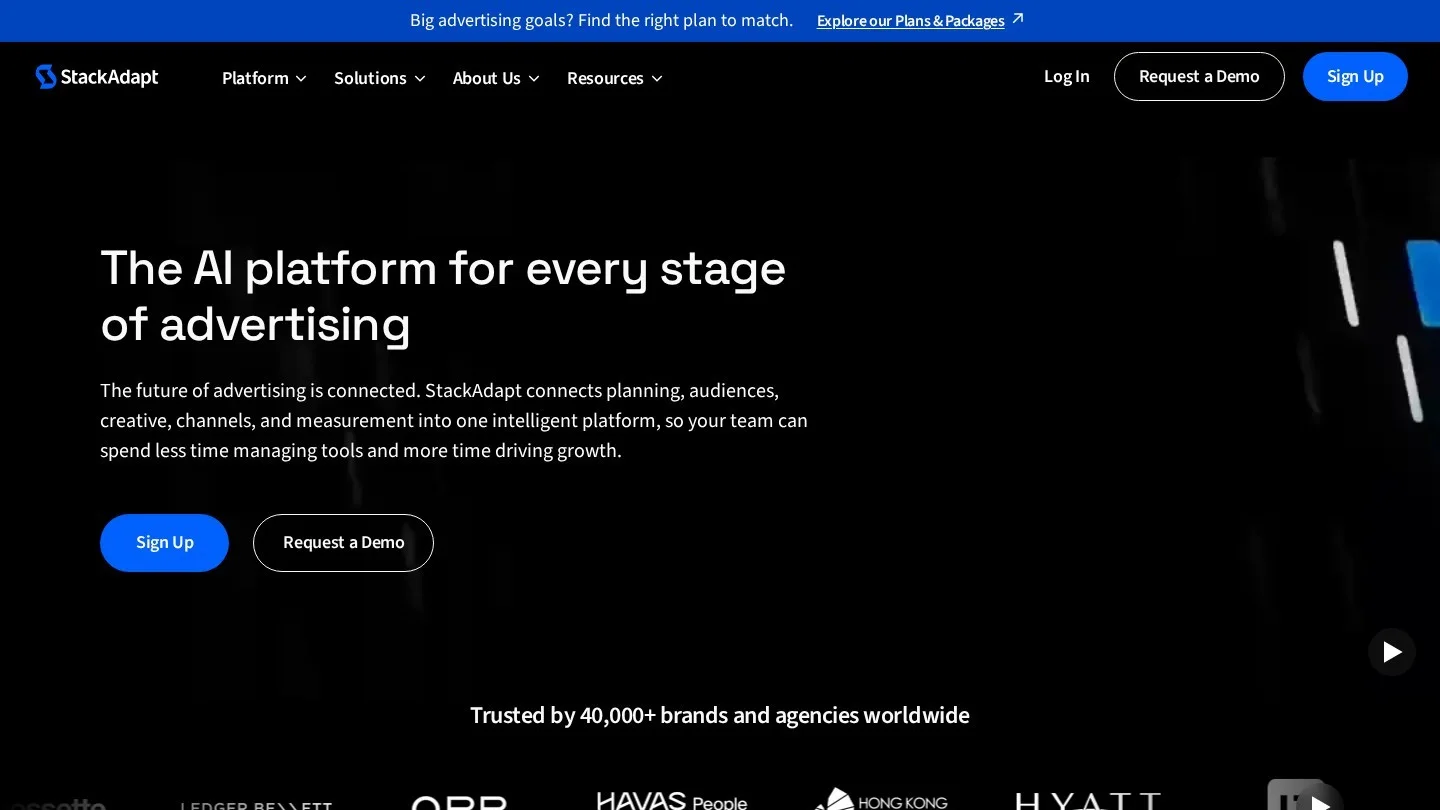
StackAdapt does not post prices, so you ask for a quote through a demo, and it says it charges no hidden tech fees. Teams can choose self-serve, managed or hybrid support. Agencies and B2B marketers who want to run one plan across many channels get the most from it, and each campaign should carry clean tags from a UTM builder so every channel shows up apart in your analytics.
15. Outbrain Amplify
Outbrain Amplify places your articles and offers as recommended links on what Outbrain calls the web’s largest premium publisher sites. It uses its Interest Graph to match each piece of content with readers who are likely to click. The product now sits under Teads, since Outbrain Direct Response is a subsidiary of the new Teads.

You set a campaign CPC and budget, and goals can be traffic, reach or leads and sales. Formats include click-to-watch video, carousels and app install ads, and there is an option to run on MSN only. Publishers of guides, reviews and lead magnets tend to see the most value, because the ads look like the next article a reader might open.
How To Pick a PPC Network for Your Budget
Pick the network where your buyers already look for what you sell, then add a second one only after the first pays back. For most firms, that means search first, because Google and Microsoft catch people who already want the product. After that, the right second step depends on the kind of business you run.
- Local service firms can pair Google Local Services Ads with Nextdoor, since both reach people in a set area.
- Online stores tend to add Amazon Ads or Walmart Connect for shoppers, then Criteo or AdRoll to bring back people who left.
- B2B firms usually add LinkedIn, because it targets by job and company, and StackAdapt when they need many channels at once.
- App makers can test Apple Ads Basic, which caps spend at $10,000 per app per month.
- Brands with eye-catching photos or video can try Meta, TikTok or Pinterest, where people browse rather than search.
Watch the billing rules as closely as the price. For example, Google can spend up to twice a daily budget on a busy day, Nextdoor takes 30 days of budget up front, and the AdRoll Advanced package needs a one-year commitment. Our PPC terms glossary explains Quality Score, CPM, CPA and the other words you will meet in each dashboard.
PPC Billing Models Compared
Cost per click is the most common model on these networks, but at least five other ways to pay show up across them. Knowing which one a campaign uses tells you what you are actually buying.
- Cost per click (CPC): you pay when someone clicks. Google Search, Amazon Sponsored Products, Microsoft Advertising and Criteo all use it.
- Cost per 1,000 views (CPM): you pay for reach. The Google Display Network, Pinterest awareness ads and X reach campaigns bill this way.
- Cost per view (CPV): you pay when someone watches a video for a set time, as on YouTube.
- Cost per lead: Google Local Services Ads charge when a customer gets in touch.
- Cost per install or per tap: Apple Ads Basic bills per install, while Advanced bills per tap.
- Cost per action (CPA): Microsoft Advertising lets you set a target cost for a sale or sign-up.
A click-based plan works well when you need site traffic, while a view-based plan works better when the goal is to get a new brand seen. In practice, many advertisers run both, with CPM to build interest and CPC to catch the people who come back ready to buy.


























































































