Live shopping is selling products in a live video stream, where viewers can buy an item without leaving the stream. It works like this: a host goes live on an app, pins products to the video, and viewers tap, pay and get the item shipped. In the US, the main places to do it are TikTok Shop LIVE, Amazon Live, YouTube Shopping, Whatnot and eBay Live. Instagram, by contrast, turned off its live shopping tool in March 2023.
The format grew first in China. McKinsey put Chinese live commerce sales at an estimated $171 billion in 2020 in its July 2021 live commerce study. In the US, for example, Whatnot sold $8 billion of goods through live sales last year, more than double the year before.
Today, many small sellers stream daily on Whatnot, and one UK memorabilia shop runs seven TikTok Shop LIVE sessions a week. However, each app has its own fees, rules and checkout steps.
This post covers how a live shopping order flows from the first tap to the parcel, then each platform and what it charges. After that, it shows the main stream formats, the market figures and a worked fee example. It ends with the steps for a brand to start and the real upsides and downsides.
How Live Shopping Works From Stream to Doorstep
Live shopping works in six steps, from picking a platform to shipping the order. In between, a host runs the stream, products are pinned, the viewer checks out and the payment goes through. Each step has its own rules.
- The platform. First, the seller opens a shop on an app that supports live selling, such as TikTok Shop or Whatnot. The seller uploads products, prices and stock before any stream goes out.
- The host. Next, a person goes live from a phone or a camera setup. The host can be the owner, a staff member or a paid creator who earns a cut of each sale.
- The stream. During the show, the host demos each item, answers chat questions and calls out deals. On YouTube, for instance, pinned products rotate every 60 seconds while the stream runs.
- In-stream checkout. Then the viewer taps the product card. On TikTok Shop and Whatnot, the buyer pays inside the app. On YouTube affiliate streams, by contrast, the viewer goes to the store’s own site to pay.
- Payment. After that, the platform or its payment partner takes the money, keeps its fees and pays the seller later. TikTok, for example, works with third party payment platforms for each sale.
- Fulfilment. Finally, the seller packs and ships the order, or a service does it. TikTok Shop offers Fulfilled by TikTok, a logistics service that handles orders so merchants can focus on their products.
In practice, the hard part is often step 6, because every order from a busy stream needs a label and a box. Our guide on working out shipping costs for an online store helps you price that part before you go live.
Live Shopping Platforms and How Each One Works
The main live shopping platforms in the US are TikTok Shop LIVE, Amazon Live, YouTube Shopping, Whatnot and eBay Live. Each one draws a different crowd, and only some let the buyer pay without leaving the stream.
TikTok Shop LIVE
TikTok Shop LIVE is the shopping layer inside TikTok’s live videos. It went live in the US on September 12, 2023. The launch brought tagged products in videos and LIVEs, a Shop tab and an affiliate program that pays creators a commission. Buyers pay inside the app.
Scale is the big draw here. During last year’s Black Friday and Cyber Monday campaign, shoppers watched more than 760,000 livestream sessions with over 1.6 billion views. Also, brands and sellers that hosted streams grew their sales by 84% on the same period a year earlier.
The UK shows the same trend. In August 2026, TikTok Shop LIVE in the UK was up 55% year on year, with more than 6,000 LIVE sessions a day. In addition, LIVE auctions made up 40% of collectables sales in June 2026.
TikTok also sets an age rule. Creators must be at least 18 years old to go LIVE. The account must also meet a follower rule, and TikTok tests different minimums. TikTok Shop LIVE works well for beauty, fashion and gadget brands that already post short videos. On the other hand, it is a poor match for a brand that has no time to post most days.
Amazon Live
Amazon Live is Amazon’s own live video tool for brands that sell on Amazon. Streams show up on the brand’s Store page and on Amazon.com/live in the US and India. In the US, they also run on a free, ad-supported Amazon Live channel on Prime Video and Fire TV. A shopping widget on the Brand Store can keep a stream on show for up to 60 days after it ends.
Any registered brand owner in a supported country can go live with the Amazon Live Creator app. Larger brands can book managed shows through an Amazon Ads account team instead, with hosts, media and reports handled for them. Even businesses that do not sell on Amazon can use Amazon Live in the US.
Shoppers seem to like the format. A GWI survey cited by Amazon Ads asked 324 Amazon Live shoppers in the third quarter of 2024. Of them, 79% found shopping events enjoyable and 73% felt confident in what they bought. Amazon Live makes the most sense for Amazon sellers with Brand Registry. A small shop with no Amazon listings, however, gets far less from it.
YouTube Shopping
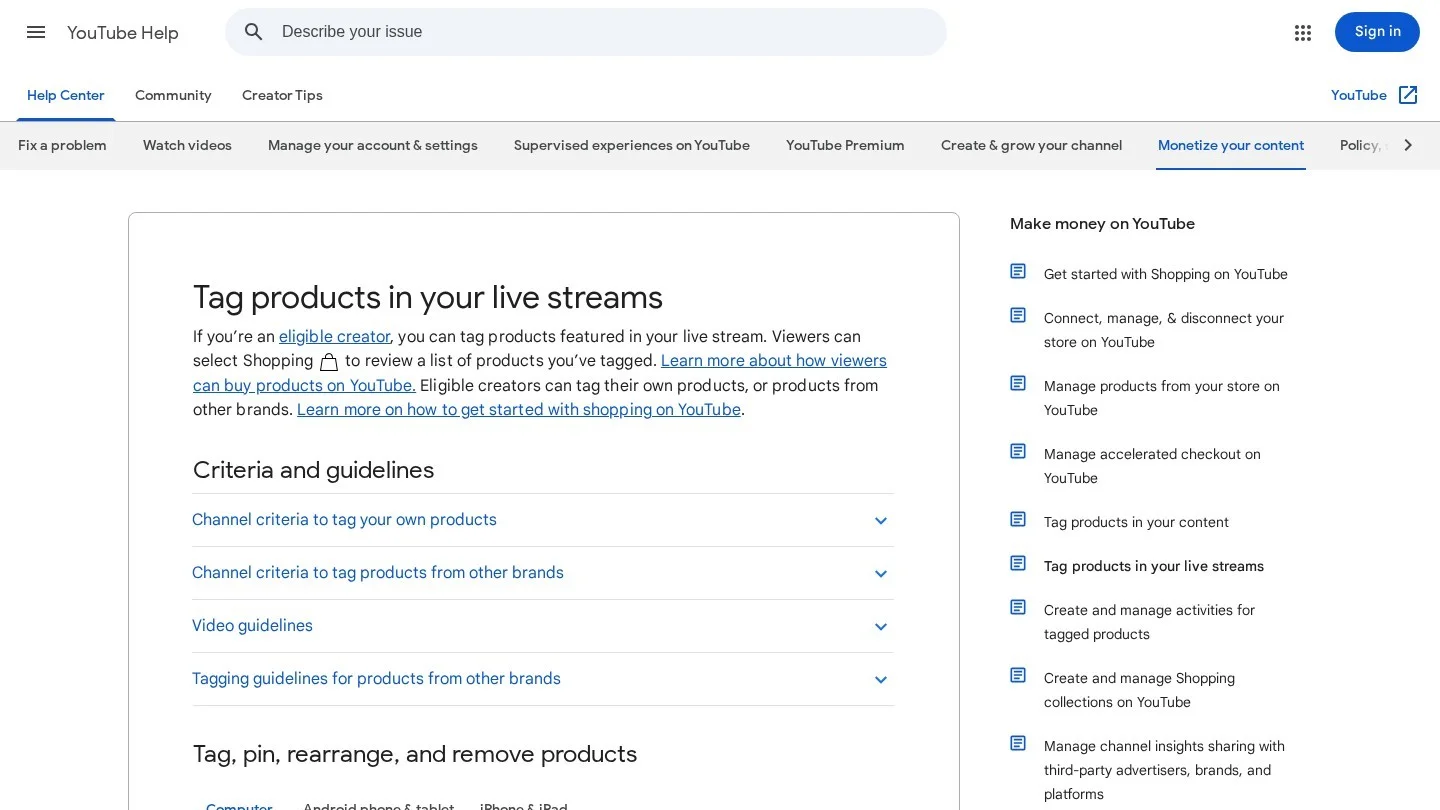
YouTube Shopping lets channels tag products in videos and live streams. To sell your own goods, the channel must be in the YouTube Partner Program and meet its subscriber threshold. It also cannot have a Made for Kids audience or hate speech strikes. You tag products in YouTube Studio, under the Shopping tab of the live control room.
Checkout is the main difference here. Viewers buy from the retailer or store platform, and YouTube and AdSense are not part of the payment. So YouTube Shopping is closer to a shoppable TV show than to an in-app store.
Creators can also earn without stock. The YouTube Shopping affiliate program is open in 18 countries, including the US, UK, India and Brazil. Each brand sets its own commission, and YouTube pays it through AdSense 60 to 120 days after the purchase. This route works for channels that already have loyal viewers. A new brand with no channel, however, has to reach YPP first, and that takes time.
Whatnot
Whatnot is a live shopping marketplace built around auctions and quick sales. Its fee table covers comics, trading cards, sports singles, toys, coins and a long list of other goods. Buyers bid or buy inside the stream and pay in the app.
The growth figures are large. Whatnot sellers who stream daily average nearly $60,000 a month on the app, and one in eight sellers now does it full time. Sellers also spend about 23 hours a week on streams and the work around them. Then, in August 2026, Whatnot raised $545 million at a $20 billion valuation. By mid-2026, it had already passed its sales total for all of last year.
Whatnot is the first pick for collectors’ goods and resale stock. By contrast, a brand that wants fixed prices and slow, polished demos may feel rushed by the auction pace.
eBay Live
eBay Live is eBay’s live selling channel, and it competes with Whatnot on fees. In most US categories, it charges 6% of the sale plus 2.9% and $0.30 per order. The 6% part is capped at $100 per item. Coins, bullion and some sneakers pay 4% instead. eBay Live also has no insertion fee on listings.
eBay Live helps sellers who already have eBay buyers and feedback. In contrast, a brand with no eBay history starts from zero viewers.
Instagram Live Shopping
Instagram ended live shopping on March 16, 2023. Since that date, shops cannot tag products during Instagram livestreams, and the Shopping tab also left the home screen. Shopping tags still work in posts, Reels and Stories.
So a brand can still go live on Instagram to show new stock. However, viewers must leave the stream, or wait until it ends, to buy. That makes Instagram a place to warm up an audience, while the sale itself happens on a site or another app.
Live Shopping Platforms Compared by Checkout and Fees
TikTok Shop LIVE, Whatnot and eBay Live let buyers pay inside the stream, while YouTube sends them to the store’s own site. The table also shows who should skip each one.
| Platform | Where the buyer pays | Seller fee basics | Good match | Skip it if |
|---|---|---|---|---|
| TikTok Shop LIVE | Inside TikTok | A cut of each sale, set by category | Beauty, fashion, gadgets | You cannot post most days |
| Amazon Live | On Amazon | Self-serve app or managed shows | Amazon brand owners | You have no Amazon listings |
| YouTube Shopping | On the store’s own site | Your store’s own checkout fees | Channels with loyal viewers | You have no channel yet |
| Whatnot | Inside Whatnot | 8% plus 2.9% and $0.30 | Cards, comics, resale | You want calm, fixed-price demos |
| eBay Live | Inside eBay | 6% plus 2.9% and $0.30 | Current eBay sellers | You have no eBay history |
| Instagram Live | Not in the stream | No live checkout since 2023 | Showing new stock | You need sales in the stream |
Read also: 18 Best Businesses to Start in a Shopping Mall
Live Shopping Formats Brands Use
The most common live shopping formats are the product demo, the live auction, the creator affiliate stream, the flash drop and the hosted brand show. Most sellers mix two or three of them across a week.
- Product demo. The host shows one item at a time, tries it on or tests it, and answers chat questions. Beauty and kitchen brands use this the most, because viewers want to see the product work.
- Live auction. Items start low, and viewers bid in quick timed rounds. Whatnot, eBay Live and TikTok LIVE auctions all run this way, so it fits cards, sneakers and one-off pieces.
- Creator affiliate stream. A creator sells another brand’s product and earns a commission. TikTok’s affiliate program and YouTube’s affiliate program both pay creators this way.
- Flash drop. A brand releases a small batch at a set time, live on stream, and it sells out fast. The deadline gives viewers a reason to tune in at that hour.
- Hosted brand show. A brand hires a pro host or a famous face and runs a planned show with set segments. Amazon’s managed Amazon Live service books talent for this kind of stream.
For example, a sneaker reseller might run auctions on weeknights and one flash drop on Saturday. Meanwhile, a skincare brand might pair daily demos with a monthly creator stream.
Live Shopping Market Size and Growth
The live shopping market is largest in China and growing fast in the US. McKinsey estimated Chinese live commerce at $171 billion in 2020 and expected it to reach $423 billion by 2022. It also expected live selling to make up 10 to 20% of all ecommerce by 2026.
Conversion is the other reason brands care. In the same McKinsey study, companies reported conversion rates near 30%, up to ten times higher than normal online stores. Taobao’s livestreams, for instance, hit a 28% conversion rate in November 2020.
US figures come mostly from the apps themselves. Whatnot’s $8 billion in live sales last year is one marker, and TikTok’s BFCM numbers are another. During the four days of last year’s Black Friday weekend, TikTok Shop sales passed $500 million. Also, nearly 50% more US shoppers bought something than a year before. For wider context on how online sales compare with stores, see our ecommerce share of US retail sales breakdown.
| Figure | Value | Period |
|---|---|---|
| China live commerce sales | $171 billion (estimate) | 2020 |
| China live commerce forecast | $423 billion | 2022 |
| Whatnot live sales | $8 billion | Last year |
| TikTok Shop BFCM livestream sessions | 760,000+ | Last year’s BFCM |
| TikTok Shop UK LIVE growth | 55% year on year | August 2026 |
Live Shopping Fees on Whatnot and eBay Live
Live shopping fees on Whatnot and eBay Live are a commission plus a payment fee on each order. On Whatnot, most categories pay 8% of the final sale price plus 2.9% of the order total and $0.30. Coins and money pay 4% instead. For a limited time, cards, comics, toys and coins pay 0% on the part of a sale above $1,500.
To see what that means per sale, take a $50 item with no shipping or tax added. On Whatnot, the seller pays $4.00 in commission, $1.45 in processing and $0.30, so $5.75 in total, or 11.5%. On eBay Live, the same sale costs $3.00 plus $1.45 plus $0.30, which comes to $4.75, or 9.5%.
| Sale price | Whatnot fee | Whatnot payout | eBay Live fee | eBay Live payout |
|---|---|---|---|---|
| $25 | $3.02 | $21.98 | $2.52 | $22.48 |
| $50 | $5.75 | $44.25 | $4.75 | $45.25 |
| $200 | $22.10 | $177.90 | $18.10 | $181.90 |

In other words, the gap is one dollar on a $50 item and four dollars on a $200 item. However, fees are only part of the cost. Shipping, free gifts during the stream, host pay and returns often cost more, so add them before you set prices. Our Amazon seller profit calculator uses the same logic and helps you see what is left per unit.
How a Brand Can Start Live Shopping
A brand can start live shopping by picking one platform, setting up a shop, buying basic gear and running a test stream. The steps go like this.
- Pick one platform first. Choose by product type. Collectibles go to Whatnot or eBay Live, beauty and fashion go to TikTok Shop, and Amazon brands go to Amazon Live.
- Open the seller account. Next, verify the business, add a bank account and upload products with real stock counts. On YouTube, you also need YPP status before you can tag your own goods.
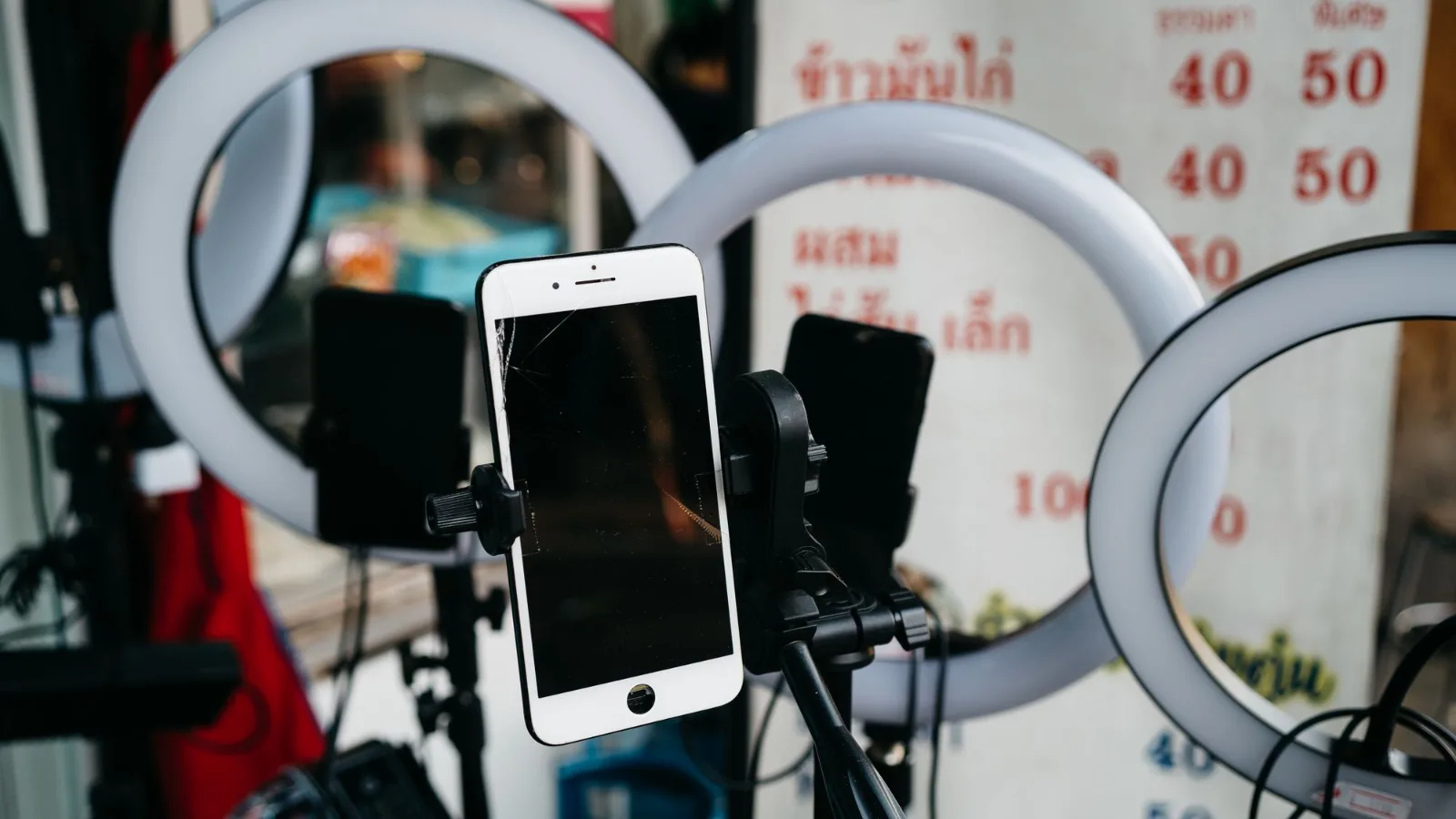
- Set up the gear. A recent phone, a tripod, a ring light and a clip-on mic are enough for most first streams. Then test the sound, because viewers leave fast when they cannot hear the host.
- Write a run of show. List the items in order, with price, one selling point and one demo for each. Also plan a deal for the first ten minutes to hold early viewers.
- Promote the time. Post the stream date a few days ahead on every channel you run, and remind people an hour before. A set weekly slot builds habit better than random shows.
- Go live and track. After each stream, note viewers, sales, top items and questions you could not answer. Then fix one thing for the next show.
Returns need a plan too, since live buyers make fast choices. Our list of ecommerce return policy examples shows how other stores word their rules. If you still need a store behind the stream, see Shopify vs WooCommerce for small stores before you link a site.
Read also: How a Demerger Works in India: What You Get
What Live Shopping Does Well and Where It Falls Short
Live shopping does well at turning viewers into buyers quickly, but it takes a lot of staff time and can be hard to scale. The main upsides and downsides look like this.
Upsides
- Higher conversion. Viewers can see the product in use and ask questions live. Companies in the McKinsey study reported conversion rates close to 30%.
- Built-in urgency. Timed deals, auctions and drops push people to buy during the show instead of later.
- Fast feedback. Chat questions show you what buyers care about. You can then use those words in listings and ads.
- Low start cost. A phone, a light and a free seller account are enough to test the idea.
Downsides
- Heavy time cost. Whatnot sellers put about 23 hours a week into streams and the work around them. A one-person brand may not have that time.
- Platform risk. Instagram shut its live shopping tool in 2023, and apps change their rules and fees over time. So keep your own customer list off the app.
- Shipping pressure. A busy stream can create a pile of orders in one night, and slow shipping hurts reviews.
- Impulse returns. Quick choices made during a show may come back as returns, so price that risk into each item.
Live Shopping Questions Sellers Ask
Is live shopping the same as TV shopping channels?
Live shopping is like TV shopping, but viewers can chat with the host and buy with one tap on a phone. TV channels use a phone line or a website, while live shopping apps put the checkout inside the video. Amazon Live even runs a free, ad-supported channel on Prime Video that viewers can shop from.
Do you need a big following to sell through live shopping?
No, you do not need a big following to sell through live shopping on a marketplace app. Whatnot and eBay Live are marketplaces, so buyers who already shop there can find a new seller’s stream. TikTok and YouTube, by contrast, have age, follower or partner rules before you can go live or tag products.
Can you still do live shopping on Instagram?
No, you cannot check out inside an Instagram livestream since March 16, 2023. You can still go live and talk about products, and you can tag items in posts, Reels and Stories. Then viewers buy from those tags or your site after the stream.
What sells best in live shopping?
The products that sell best in live shopping look good in motion or are scarce, such as cards, sneakers, beauty and fashion. For example, LIVE auctions drove 40% of TikTok Shop UK collectables sales in June 2026. Sneaker sellers using LIVE auctions on TikTok Shop UK also grew ninefold in one month that summer.
How do creators get paid for selling other brands’ products live?
Creators get paid through affiliate commissions set by each brand. On YouTube, the commission shows next to each product and arrives through AdSense 60 to 120 days after the sale. If you want the wider picture of creator income, see how YouTubers make money.