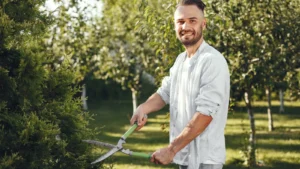
Lawn care workers in the US typically need no formal schooling and learn the job in a month or less of on-the-job training, so it is one of the easiest trades to enter cold. The 10 business ideas that require no experience are house cleaning, lawn care, pet sitting, errand running, reselling, junk removal, mobile car washing, virtual assistance, tutoring and print on demand. Lawn care is the top pick for most people, because the demand is steady and the Bureau of Labor Statistics projects about 162,500 openings in the field each year.
None of these ideas asks for a degree, a trade license or years in an industry before your first paid job. What they do ask for is time, a few basic tools and the nerve to knock on doors or post an ad. In fact, most of them can launch for less than many businesses you can launch with $100 once you count the cleaning kit or the lawn mower you may already own.
Some rules still apply, however. Most small firms need a mix of federal, state and local licenses, and the SBA notes that zoning rules can apply even to a business run from home. In most cases, the total cost to register a business is less than $300.
Several of the ideas also run through apps that take a share of each sale. Rover keeps 20% of every pet care booking and eBay takes 13.6% of most sales, while Printful charges nothing until a customer places an order.
10 Business Ideas That Require No Experience
The 10 business ideas that require no experience are house cleaning, lawn care, pet sitting, errand running, reselling, junk removal, mobile car washing, virtual assistance, tutoring and print on demand. Lawn care wins for steady local demand, while print on demand wins for low risk, since you pay nothing until a customer orders.
1. Lawn Care and Yard Work
Lawn care takes the top spot because the skills are simple and the work comes back every week of the growing season. The BLS counted 1,299,200 grounds maintenance jobs, and it expects that number to grow 5% in the decade to 2035, which it rates as faster than average. The median pay was $40,080 a year in May of last year, or $19.27 an hour, for people who work for someone else.
To begin, mow, edge and blow your own yard and a neighbor’s, then take photos and post them on local groups and Nextdoor. Price by the yard size rather than by the hour, so a fast crew earns more. Be careful with weed killer, though, because most states require a license for anyone who applies pesticides for pay. If you have back trouble or hate the heat, this one is not for you.
2. House Cleaning
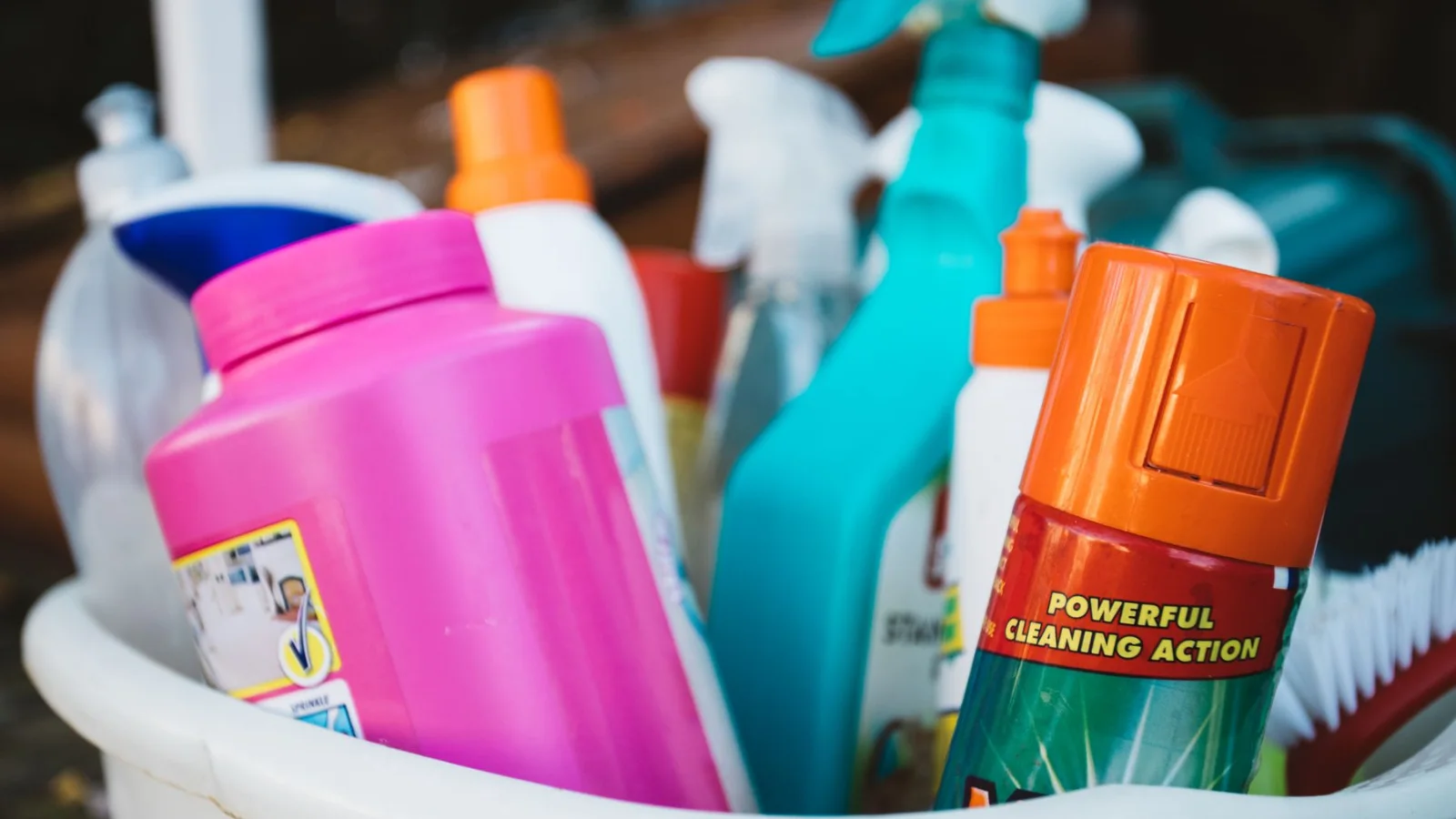
A vacuum, mops, cloths and a set of cleaning products you trust are nearly all the gear house cleaning needs, and most places ask for no special license. As a result, the first job can pay for the whole kit. The real skill is doing the same careful job every time, because people who like their cleaner book them every week or two for years.
Clean a friend’s home for free in exchange for photos and a review, then offer a first-visit price to neighbors. Also, decide early whether you will bring your own supplies, since many clients prefer you do. Because you will be inside people’s homes, look into a general liability policy and a bond before you take on strangers. People who dislike repeat routines will tire of this fast.
3. Pet Sitting and Dog Walking
Pet care is the easiest idea to test, since apps bring the clients to you. On Rover, the platform keeps a 20% service fee per booking, so sitters take home 80% of what they earn. A $30 walk, for example, puts $24 in your pocket. Part of that fee funds the Rover Guarantee, a payback program meant mainly to protect the pets.
Once you have regular clients, you can move them to direct bookings and keep the full rate. In fact, many sitters use the app for reviews and trust in the first months, then build a local list. Keep a written record of each pet’s food, meds and vet. Anyone with pet allergies or a packed weekday schedule should pass, since most demand falls on weekdays and holidays.
4. Errand Running
Busy people put off grocery runs, pharmacy pickups, returns, post office drops and dry cleaning, and an errand service gets paid to do those trips for them. All you need is a car, a phone and a good map app. For that reason, older adults, new parents and small offices make up a large share of the people who book this kind of help.
Set a flat price per errand inside a set radius, plus a mileage charge for long trips. Then leave flyers at senior centers, clinics and apartment offices, and ask each client for one referral. Track every mile, because it will matter at tax time. This idea is a poor choice if you do not have a reliable car or if you live far from shops.
5. Reselling Used Goods
Reselling means buying low at thrift stores, yard sales and estate sales, then selling online for more. On eBay, you get up to 250 free listings a month, then pay $0.35 per listing. When an item sells, eBay takes 13.6% of the total sale in most categories (on the first $7,500 per item) plus a per-order fee of $0.30 for orders of $10 or less and $0.40 above that. So a $40 sale costs $5.44 plus $0.40 in fees.
The skill you build over time is knowing what sells, so stick to one or two types of goods at first, such as kids’ clothes or vintage kitchenware. Also, check sold listings, not active ones, to see what buyers really pay. People with no space to store stock should look at businesses that require no inventory instead.
6. Junk Removal
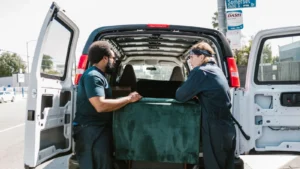
With a pickup truck or a small trailer, you can clear junk from garages, basements and yards and take the load to a dump, a donor site or a recycler. The truck is the main tool, so this idea makes sense if you already own one. Clean-outs after a move, a sale of a house or a death in the family are steady sources of work.
Call your local landfill and transfer station first, because their fees and rules on items like tires, paint and old TVs will shape your prices. Then price by how much of the truck bed a job fills. Donating usable items cuts your dump costs. This one is not for you if you cannot lift heavy items safely all day.
7. Mobile Car Washing
A mobile car wash goes to the customer’s driveway or office lot, so you skip the cost of a site. Even so, the wash water is the tricky part. Stormwater is not treated before it reaches local waterways, warns the City of Chandler, Arizona, so soap and oil sent down a street drain can break local rules.
Buy biodegradable, phosphate-free soap, a runoff barrier or mat and buckets, and empty dirty water into a sink or other sanitary sewer drain. Next, call your city’s stormwater office to ask what a mobile washer must do there, since rules differ from town to town. Offer packages for office parks, where one stop can mean ten cars. Skip this idea if you live where winter shuts down outdoor work for months.
8. Virtual Assistant
If you can type, write a clear email and use Google Docs, you can do most virtual assistant work from day one. The job covers email, calendars, data entry, bookings and simple social media posts for busy owners. Because the work is remote, your clients can be anywhere.
Pick a niche you already know a little about, such as real estate agents or local trades, and offer a small trial package of five or ten hours. Also, keep a log of the tasks you finish each week, since clients like to see where their money went. Those who need quiet hours and can’t take calls during the workday may struggle here. For more desk-based ideas, see these business ideas to start from home.
9. Tutoring School Subjects
Tutoring uses what you already know from school, so no business experience is needed, only a subject you can explain well. Reading help for young kids, middle school math and test prep are common asks from parents. Sessions can run online or at a library, so you have no rent to pay.
Begin with families you know, then post in parent groups and on school boards where that is allowed. Charge per session and sell packs of four or eight to fill your week. Most of all, ask parents what grade the child is in and what the teacher said, so the first session targets the real gap. If you can’t explain a topic three different ways, choose another idea.
10. Print on Demand
For no money up front, print on demand lets you sell shirts, mugs and posters with your designs while a partner prints and ships each order. Printful is free to start, with no setup fees and no order minimums. You pay only when an order comes in, for the product and printing, shipping and any taxes, plus a digitizing fee on embroidered items.
So the main cost is your time on design and marketing. Create a small set of designs for one group of buyers, such as nurses or hikers, then link the shop to a store. Price each item well above Printful’s cost plus shipping, since that gap is your profit. If you dislike posting on social media every day, sales will be slow.
Startup Needs for Each Idea at a Glance
Each idea needs only one main tool or account before the first paid job, and four of them need nothing you are unlikely to own already. Costs vary by town, so only the platform fees are fixed numbers.
| Idea | Main Tool or Account | Platform Cut | Who Should Skip It |
|---|---|---|---|
| Lawn care | Mower, trimmer, blower | None if you book direct | People who can’t work in heat |
| House cleaning | Vacuum, mops, supplies | None if you book direct | People who dislike routine |
| Pet sitting | Phone and app profile | 20% on Rover | People with pet allergies |
| Errand running | Reliable car | None if you book direct | People without a car |
| Reselling | eBay account | 13.6% plus $0.30 or $0.40 per order | People with no storage space |
| Junk removal | Pickup truck or trailer | None if you book direct | People who can’t lift heavy loads |
| Mobile car wash | Soap, mat, buckets | None if you book direct | Cold climates |
| Virtual assistant | Laptop and internet | None if you book direct | People who can’t take daytime calls |
| Tutoring | Subject know-how | None if you book direct | People who struggle to explain |
| Print on demand | Designs and a store | No Printful fee to start | People who won’t post online |
Read also: Businesses That Require No Inventory
Licenses and Registration for a First Business
Most first-time owners need a local business license, a state registration and a tax ID before they take money from clients. The SBA explains that states regulate a broader range of work than the federal government, and that local governments set their own license rules. Activities such as retail, construction and dry cleaning are often regulated at the city or county level.
Also, keep track of renewal dates, since some licenses expire after a set period. For lawn care, check your state’s pesticide rules before you spray anything. For a car wash, ask the city about wash water. For cleaning, pet care and junk removal, a liability policy is worth pricing even where the law does not require one.
Many of these ideas run with just you, at least at first. If that is your plan, how to start a business with no employees walks through the setup, taxes and tools for a one-person firm.
How to Choose Your First Idea
The right first idea is the one that uses what you already own and the hours you already have free. A truck points to junk removal, a car points to errands and a laptop points to virtual assistance or print on demand. In the same way, if you are home during school hours, tutoring and pet care fit around a family day, much like these ideas for stay-at-home parents under $500.
Next, think about margins. Service work like cleaning or lawn care keeps nearly all of the price once supplies are paid for, which is why many of them show up among small business ideas with high profit margins. By contrast, reselling and print on demand pay a platform cut on every sale.
Finally, test before you buy. Book three paid jobs using borrowed or cheap tools, then spend on gear only once clients come back. Most of these jobs happen at the client’s home, so you also avoid rent, like the businesses you can start without renting a shop. If you want to grow past the basics, these service businesses that open on $1,000 are a good next step.
FAQs About Business Ideas with No Experience
What Is the Easiest Business to Launch with No Experience?
Lawn care is the easiest business to launch with no experience for most people. The BLS notes that grounds workers typically need no formal schooling and get a month or less of training on the job. If you already own a mower, you can take your first job this week.
Which No-Experience Business Costs the Least?
Print on demand costs the least, since Printful charges no setup fee and has no order minimums. You pay for each item only after a customer buys it. Tutoring is close behind, because your knowledge is the only tool.
Do I Need a License for a Small Service Business?
Yes, in most places you need at least a local business license and a state registration. The SBA notes that most small firms need a mix of licenses, and that the total cost to register is less than $300 in most cases. Rules differ by state and city, so check with your local office.
Can I Run These Businesses Part Time?
Yes, every idea on the list can run part time. Pet sitting, tutoring, reselling and print on demand fit around a day job well, because you set the hours or the work runs online. Lawn care and car washing pack most of their work into weekends.